
8 South Carolina Beach Towns Locals Love (and 3 They Leave to Tourists)

The best beaches in South Carolina aren’t the beaches on the billboards.
Ask anybody who lives on the coast.
They’ll point you to a sleepy barrier island with one seafood shack and a lighthouse, then steer you away from the neon strip their cousins from Charlotte and Cincinnati book every summer.
These are the beach towns locals love, and those they leave to everybody else.
1. Sullivan’s Island
Sullivan’s Island sits ten minutes from downtown Charleston, and residents keep its calm to themselves.
There’s no boardwalk, no row of arcades, and barely a place to park.
Middle Street is the whole show: A dozen restaurants, a fire station, and the sand at the end of the lane.
People grab a burger at Poe’s Tavern, named for Edgar Allan Poe, who was stationed at the island’s old fort in 1827 and later set a story among these dunes.
The houses run big and old, and the pace runs slow.
That’s the appeal.
Come summer, you’ll share the beach with families who’ve held the same cottage for three generations, not a tour group in matching shirts.
2. Edisto Beach
Edisto Beach is what the Lowcountry coast looked like before the developers arrived.
No building tops three stories.
The island turned down resort money back in the 1970s while its neighbors cashed in, and it never looked back.
You won’t find a traffic light or a fast-food sign.
What you’ll find is a general store, a state park, and the ACE Basin, named for the Ashepoo, Combahee, and Edisto rivers, one of the largest undeveloped estuaries on the East Coast.
Sea turtle nests roped off in summer, driftwood-strewn beaches, and a year-round population you could fit in a school gym.
Bring groceries.
3. Pawleys Island
Pawleys Island wears the label “arrogantly shabby,” and locals mean it as a compliment.
The weathered cottages and screened porches aren’t run-down by accident.
They’re built to be rebuilt after the next hurricane, and to be handed down, not shown off.
The island bills itself as the oldest seaside resort on the East Coast, a claim historians happily argue over.
Stop at the Hammock Shop, where the famous rope hammock has been strung up since the 1930s.
There’s no pier and no boardwalk, and rice-field creeks back right up to the porches.
Naps are mandatory.
4. Hunting Island
Hunting Island is more park than town, a wild barrier island the state left alone.
It’s one of the most-visited state parks in South Carolina.
Five miles of beach, thick maritime forest, and a saltwater lagoon all sit inside the park gates.
Climb the black-and-white lighthouse, first lit in 1875, up all 167 steps, and the whole Lowcountry rolls out below you.
It reopened this spring after years of repairs, so you can make the climb again.
Worth every step.
Campers book the oceanfront sites a year out because the tent pads sit close enough to hear the waves all night.
5. Murrells Inlet
Murrells Inlet is the self-proclaimed Seafood Capital of South Carolina, and the nightly catch backs it up.
This old fishing village wraps around a saltwater estuary instead of the open ocean, so the water stays calm and the shrimp stay close.
Walk the half-mile MarshWalk boardwalk at sunset, past Drunken Jack’s and the Dead Dog Saloon, and you’ll smell the shrimp before you read a menu.
Oysters, flounder, and blue crab come off boats you can watch from your table.
Fresh means fresh.
Across US-17, Brookgreen Gardens fills a set of old rice fields with one of the country’s biggest collections of American sculpture.
Psst! How much do you know about South Carolina’s coast beyond the sand? Take our quiz and see if you can ace it.
Quiz
Carolina Coast IQ
Answer these questions on South Carolina’s beaches, pirates, and Lowcountry lore. We bet you can’t get them all right. Prove us wrong?
When the pirate Blackbeard blockaded Charleston Harbor in 1718, what did he demand as ransom for his hostages?
6. Isle of Palms
Isle of Palms is where Charleston goes to swim.
A twenty-minute drive from downtown buys you seven miles of wide, hard-packed sand.
Families rent the same beach house every July, kids learn to cast off the same dock, and nobody's in a hurry.
The north end holds Wild Dunes, a gated resort with two golf courses, but the public beach stays the real draw.
Get there early on a Saturday because the parking lots fill by mid-morning, and the island runs short on spaces fast.
The ocean's free.
7. Folly Beach
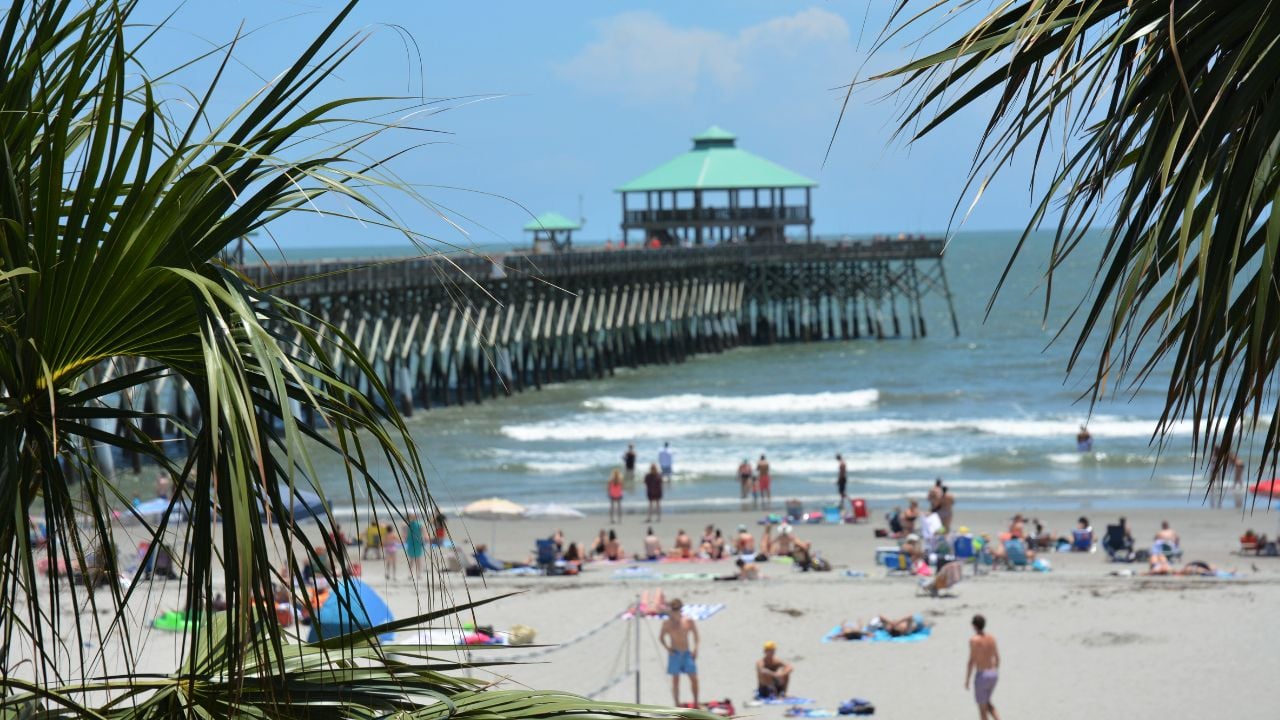
Folly Beach calls itself the Edge of America, and it's Charleston's scruffy, barefoot cousin.
Surfers rule the break called the Washout, a stretch Hurricane Hugo carved out in 1989 when it flattened the beachfront homes.
The main drag runs on flip-flops, fish tacos, and live music, not valet stands and rooftop bars.
Walk the north end at low tide, and the Morris Island Lighthouse stands offshore, stranded in the water after decades of erosion pushed the shoreline out from under it.
Locals fought to save it.
Summer brings the loud, loose crowds, but Folly belongs to the people who surf it in February.
8. Litchfield Beach
Litchfield Beach is Pawleys Island's calmer neighbor, tucked along the Waccamaw Neck between the ocean and the old rice rivers.
There's no commercial strip to speak of, mostly gated communities, a couple of resorts, and long runs of empty sand.
Litchfield by the Sea sits behind a gate, sandwiched between North and South Litchfield, where the loudest sound most mornings is a seagull.
That's the point.
South Carolinians who want the beach without the boardwalk settle at Litchfield for good, trading nightlife for a hammock and a bike path.
The 3 They Leave to Tourists
Now for the three stretches South Carolinians mostly cede to out-of-towners.
1. Myrtle Beach
Myrtle Beach is the engine of the Grand Strand, built for tourists.
More than 18 million visitors flood the area every year, and Myrtle Beach is its bright, loud center of SkyWheel rides, boardwalk arcades, mini-golf, and outlet malls.
None of that is an accident, and none of it is aimed at locals.
South Carolinians nearby learn the pattern: They shop, work, and run errands inland, then hit the beach before 9 a.m. or after Labor Day.
Then they disappear.
It's a fine place to ride a roller coaster.
Locals just don't spread a towel there in July.
2. North Myrtle Beach
North Myrtle Beach is Myrtle Beach's tamer sibling, stitched together in 1968 from Cherry Grove, Ocean Drive, Crescent Beach, and Windy Hill.
It's the birthplace of the shag, the swing-step that became South Carolina's official state dance.
Fat Harold's and Duck's still fill the floor on Main Street, and twice a year the Society of Stranders reunions pack the town with dancers.
Barefoot Landing crams the House of Blues, the Alabama Theatre, and a hundred shops onto the Intracoastal Waterway.
It's built for visitors.
Families come back to the Cherry Grove pier summer after summer, which is exactly why locals drift south to the calmer beaches once the crowds land.
3. Hilton Head Island
Hilton Head Island anchors the far south end of the coast, a manicured resort shaped like a running shoe.
Roughly 2.5 million visitors a year come for the golf, the bike paths, and the beaches, against a year-round population near 40,000.
Sea Pines, Harbour Town, and the red-and-white striped lighthouse draw the crowds, and strict codes keep the signs low and the buildings short.
It's polished, pricey, and gorgeous.
Those same rules hide the sprawl, keeping the parking lots and the shopping centers behind screens of live oaks.
That polish is the whole pitch, and visitors pay top dollar for it from spring break clear through October.
8 Unwritten Rules of South Carolina Fishing Piers Newcomers Break
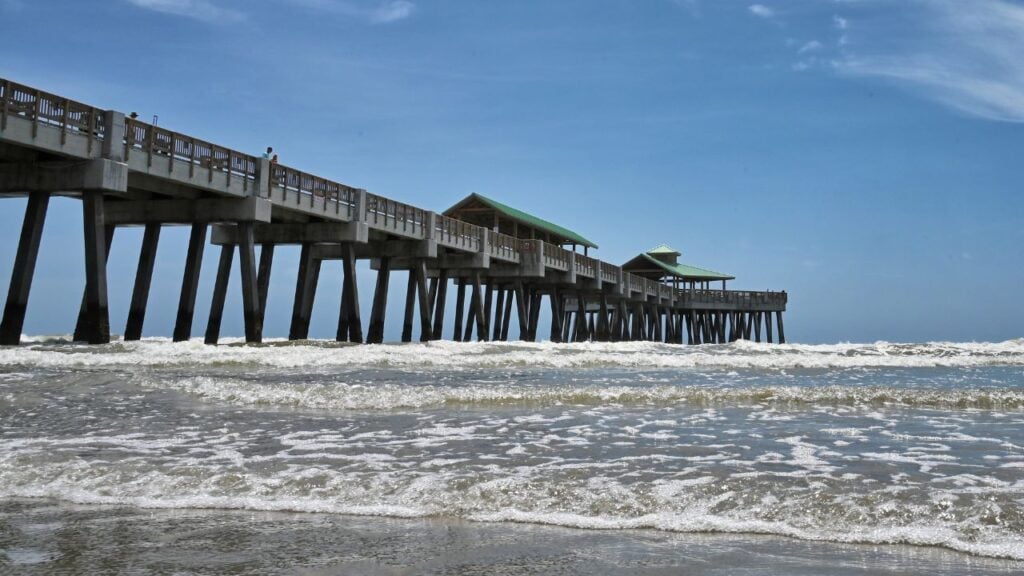
Every South Carolina pier runs on rules nobody bothers to print on a sign.
Cross the wrong regular with a sloppy cast, and you'll learn them fast.
8 Unwritten Rules of South Carolina Fishing Piers Newcomers Break
10 First-Year Surprises Retirees Don't See Coming in South Carolina
The sunshine and low taxes get all the brochure space.
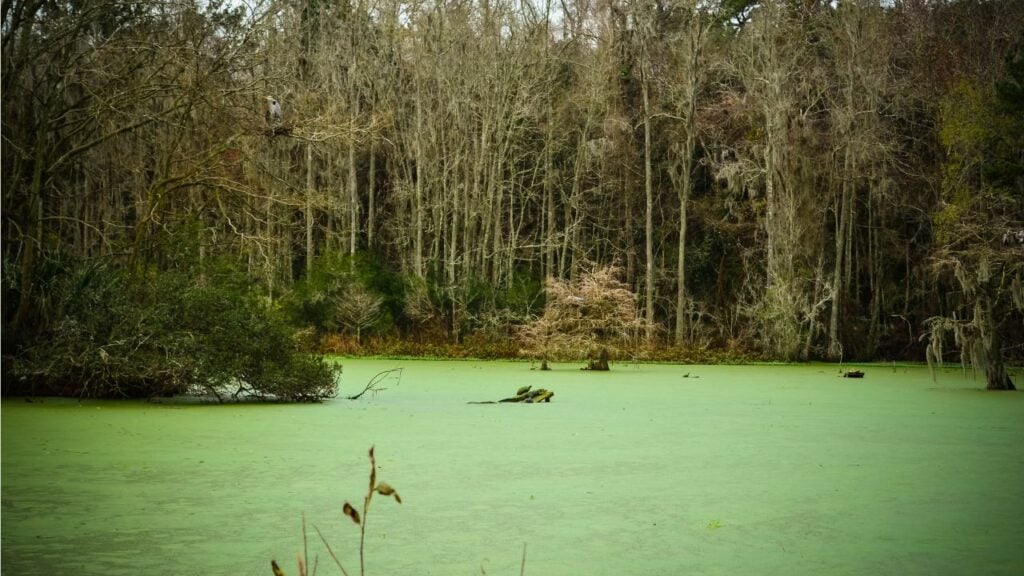
The pluff mud, the no-see-ums, and the summer power bills show up later.
10 First-Year Surprises Retirees Don't See Coming in South Carolina
