
8 Storm Season Habits Worth Copying From Longtime South Carolinians

South Carolina measures every hurricane against one storm.
Hugo came ashore near Charleston in September 1989 as a Category 4, and longtime residents still set their preparations by how early they beat it, not by how mild a given season’s forecast looks in May.
Every habit on this list runs on that same early clock, months ahead of any storm’s name or category.
These are the storm season habits worth copying from longtime South Carolinians.
Note: This is general information, not insurance advice. Coverage, eligibility, and waiting periods are subject to change, so check the specifics with your insurer or agent.
1. Topping off the Tank Before the Storm Has a Name
South Carolina’s coastal drivers keep an eye on the gas gauge all summer long, not just once a storm shows up on a map.
Emergency officials tell residents to keep a vehicle’s tank above half full for the entire hurricane season, from June 1 through the end of November.
Longtime South Carolinians don’t wait for that advice to feel urgent.
They top off the moment a disturbance gets a mention in the tropics, sometimes days before it earns a name or a five-day track.
That’s the whole trick.
A tank topped off in June costs no more than any other week.
The only difference shows up later, when a watch goes up and the pump’s already three cars deep.
2. Learning Their Evacuation Zone Letter Every June
South Carolina divides its coast into evacuation zones lettered A through C, though the Charleston area, Berkeley, Dorchester, and Charleston counties, runs its own scale all the way to Zone F for its highest-risk spots.
Horry County’s own Emergency Management Department built the system, called Know Your Zone, off a 2012 hurricane evacuation study done with FEMA and the Army Corps of Engineers.
South Carolina’s Emergency Management Division adopted the system statewide afterward.
Emergency planners don’t set the letter by how far a house sits from the beach.
Not distance.
It comes from surge modeling, elevation, and how fast an area can clear out.
Longtime residents look theirs up every spring, long before an evacuation order ever uses it.
Newcomers often find out for the first time when a county official reads their zone off a list on the news.
What South Carolina’s Zone Letters Measure
South Carolina’s hurricane evacuation zones and the flood insurance maps drawn by the Federal Emergency Management Agency (FEMA) are two separate systems, even though both cover the same coastline.
The evacuation zone comes from a storm surge study built to time when an area needs to clear out.
FEMA’s flood map serves a different job: It sets insurance rates off a 100-year flood hazard model.
A house can carry a low-risk flood insurance rating on FEMA’s map and still sit in evacuation Zone A because the two maps measure different things entirely.
3. Filing Their Wind and Hail Policy by Hand Every Year
South Carolina homeowners along the coast often carry three separate insurance policies instead of one.
A standard homeowners policy covers the rest of the house.
Insurers in five coastal counties, Beaufort, Charleston, Colleton, Georgetown, and Horry, routinely leave wind and hail damage off that policy entirely.
Homeowners fill that gap with a state-created insurance pool they call the Wind Pool.
That policy doesn’t work like an ordinary homeowners policy that renews itself in the background.
The Wind Pool doesn’t auto-renew at all.
An agent has to resubmit a full application and the entire year’s premium before each policy anniversary, or the coverage lapses.
Not automatically.
Longtime coastal residents put that resubmission on their own calendar every year, the same way they’d renew a driver’s license, instead of waiting for a bill that isn’t coming.
The renewal date lives on the agent’s calendar, not a reminder in the homeowner’s mailbox.
4. Renewing Flood Coverage Before the Season, Not During It
South Carolina homeowners who carry a National Flood Insurance Program (NFIP) policy work around a deadline that has nothing to do with any single storm.
A new NFIP policy takes 30 days to take effect.
Nothing shortens that wait.
Buy one the week a hurricane turns toward the coast.
The storm will likely make landfall before the policy ever kicks in.
Longtime residents renew or buy their flood coverage each spring, months before hurricane season opens on June 1, so the wait is already behind them by the time anything forms.
The one exception is a policy tied to a new mortgage, which starts on closing day instead.
5. Watching the Wind Number for Their Bridge
South Carolina’s Charleston County doesn’t close its highest bridges during a storm.
Instead, the county’s emergency operations center posts a wind advisory once sustained winds on a bridge reach 30 mph, telling trucks, RVs, and anyone towing a trailer to stay off the tall spans.
At sustained winds of 40 mph, the county calls those same bridges unsafe for the public, full stop, even though the gates never physically shut.
Longtime Lowcountry residents track that number for their own bridge, the Ravenel, the Wando, the Don Holt, the same way they’d check the tide.
It isn’t the storm’s category that decides whether they cross that afternoon.
It’s the wind gauge.
Psst! How storm-season-ready are you? Run through this checklist and see where you stand.
6. Already Knowing the I-26 Reversal Route
South Carolina has reversed the eastbound lanes of Interstate 26 three separate times since 2016, turning the entire highway into one long lane toward Columbia.
The state built the plan after Hurricane Floyd’s 1999 evacuation turned an ordinary two-hour drive to Columbia into an overnight crawl that stretched past 16 hours for some drivers.
Officials used the reversal for Hurricane Matthew in 2016, then again for Florence in 2018 and Dorian in 2019.
Once the state activates it, though, the interstate stops working like the everyday highway.
Crews close many of the normal entrance and exit ramps first, then reopen a short list along the reversed lanes, spots like Highway 27, Highway 210, and U.S. 21.
Longtime residents already know which of those few exits sits closest to their own route, long before any governor’s order ever turns the highway around.
The state’s transportation department rehearses the maneuver every year, drilling the switch from North Charleston to Interstate 77 near Columbia even in years with no storm anywhere close.
Every lane points west.
Missing that short list of exits means driving the reversal blind until Columbia, with no familiar ramp in between.
7. Trimming Dead Limbs Before June 1, Not After a Watch
South Carolina arborists and coastal tree services spend every spring telling homeowners the same thing: Deal with dead limbs and damaged branches before hurricane season opens, not once a storm shows up on radar.
Tropical-storm-force gusts of 60 mph are enough to snap a dead limb that a hurricane never even has to finish off.
Longtime residents treat that pruning as spring yard work, the same weekend they service the mower.
Not after a watch.
A hurricane watch fills every tree service’s schedule within hours.
A routine trim on a mid-sized tree runs a few hundred dollars.
That price can more than double for the same job once a storm’s already in the forecast, if a crew even has room left on the schedule.
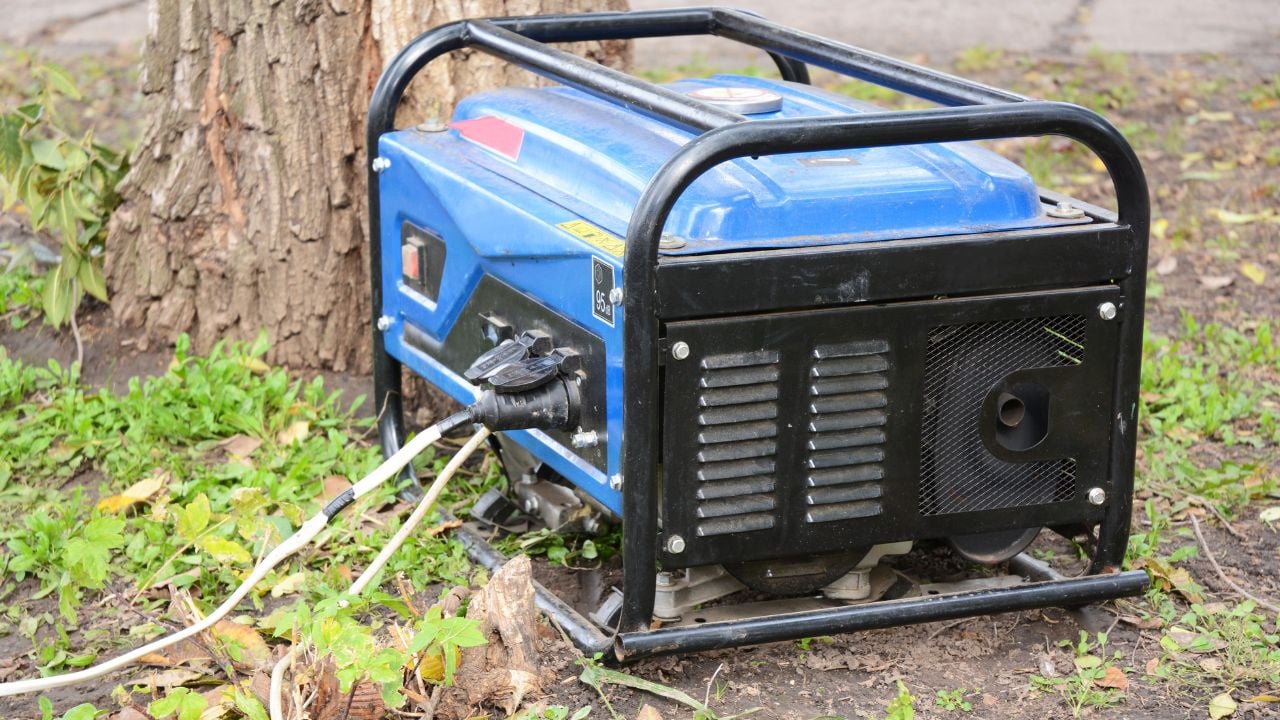
8. Testing the Generator Under Load Every Month
Longtime South Carolinians who run backup generators follow the same maintenance standard electricians do nationwide, the National Fire Protection Association (NFPA) code NFPA 110, which calls for running a generator at meaningful load for at least 30 minutes every month, not just starting it empty in the driveway.
A generator that starts fine with nothing plugged in can still stall the first time it’s asked to run a refrigerator and a window unit at once.
Longtime residents run theirs under load monthly, all season, from June through November.
That’s the test that matters.
A generator that only proves itself once the power’s already out has already failed the test that counted.
How Hurricane Hugo Still Shapes South Carolina’s Building Code
South Carolina rewrote its coastal building code after Hurricane Hugo came ashore near Charleston as a Category 4 storm in September 1989.
New construction inside the state’s wind-borne debris region has to protect every window, door, and skylight with impact-resistant glazing or an approved shutter system.
That region covers any home within about a mile of the coast where design wind speeds reach 130 mph or higher, and any home anywhere in the state where they reach 140 mph.
Ordinary window glass doesn’t qualify.
A homeowner replacing windows in that zone has to special-order laminated, impact-rated glass or install approved shutters on every opening, not just the openings facing the water.
Longtime coastal residents check that rating before they sign a contract with any window installer.
8 South Carolina Ghost Stories Even Locals Can’t Keep Straight
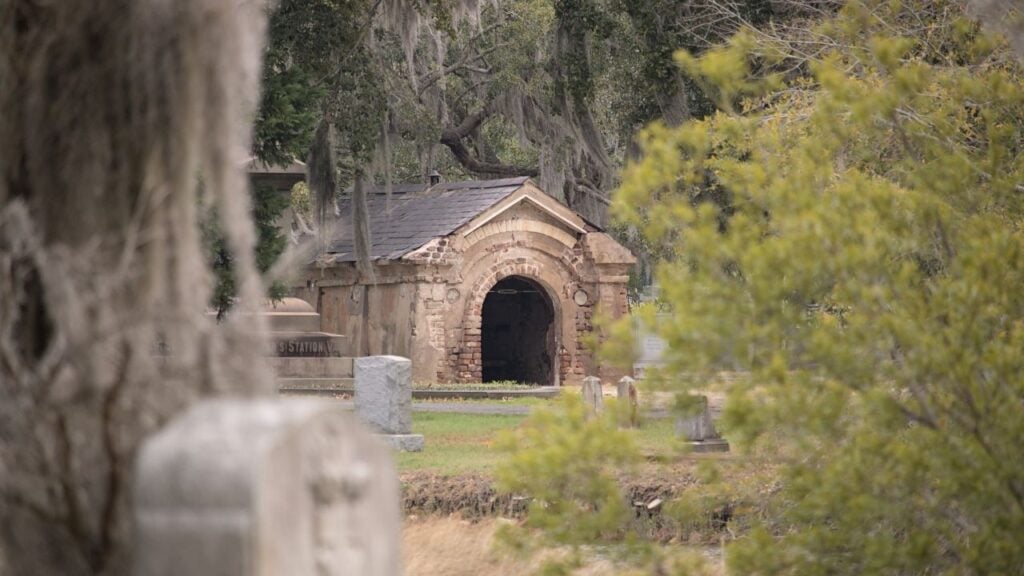
A tour guide in Charleston stops the group outside an old jail cell and starts the same story locals have repeated for generations.
Some of it checks out, and some of it falls apart the moment somebody looks up the actual record.
8 South Carolina Ghost Stories Even Locals Can’t Keep Straight
9 South Carolina Speed Trap Towns Drivers Learn About the Hard Way
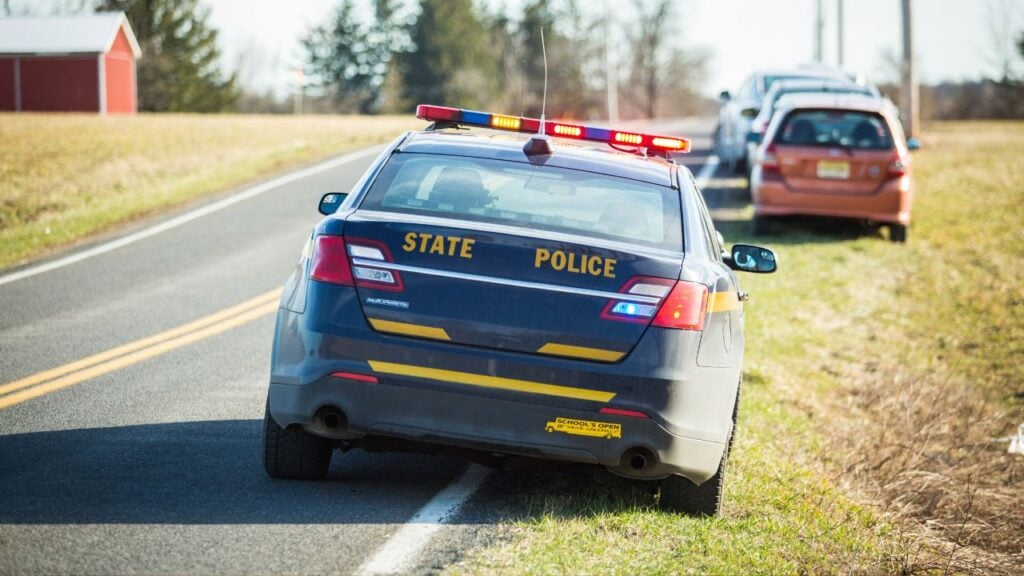
South Carolina logged more than 37,000 speed-related crashes in a single recent year, and a handful of small towns built a reputation around enforcing the limit hardest.
Drivers passing through find out which ones the hard way, usually with a ticket already in hand.
9 South Carolina Speed Trap Towns Drivers Learn About the Hard Way
