
8 Tech Purchases Ohioans Say Weren’t Worth the Trouble

A Northwestern University study of 45,000 electronics sales found the profit margin on TV warranties ran 62 to 73 percent.
Shoppers guessed 13.
The gap between what a thing promises and what it delivers shows up on a lot of receipts, and Ohioans keep naming the same ones.
These are the tech purchases people say weren’t worth the trouble.
1. Video Doorbells
Video doorbells became one of the fastest-selling smart home gadgets of the past decade.
The trouble showed up after installation.
Ring, one of the best-known names in the category, built its reputation on a promise of privacy and peace of mind.
Then it broke that promise.
The Federal Trade Commission found Ring didn’t limit how many employees and contractors could open customers’ stored video.
Ring also used that footage to train its algorithms without asking permission.
One Ring employee went further, spending months digging through the private footage of female customers, including recordings from inside their bedrooms and bathrooms.
Separately, hackers who reused stolen passwords broke into about 55,000 U.S. customers’ Ring accounts, watching live video and talking through the doorbell’s speaker to harass the people inside, including children.
Amazon-owned Ring paid $5.8 million in customer refunds in 2023 to settle the case.
Many video doorbells still record based on motion, not a finger on the button.
A device bought to watch the porch ended up letting strangers, some of them on the company’s payroll, watch the family instead.
2. Extended Warranties and Protection Plans
Extended warranties show up at the register on nearly every big electronics purchase, from a laptop to a refrigerator with a touchscreen.
Salespeople rarely mention the part where the math doesn’t favor the buyer.
A Northwestern University study of 45,000 electronics sales from a major retailer found profit margins on TV warranties ran 62 to 73 percent.
That’s several times what the retailer made on the electronics themselves.
That same research found TVs failed only 5 to 8 percent of the time.
Shoppers guessed the number was closer to 13 percent.
Retailers price the plans around exactly that kind of gap.
That’s the whole business model.
The dataset behind those numbers stretches back to the late 1990s and early 2000s.
3. Multi-Year Home Security Contracts
Home security systems used to mean a sign in the yard and a monthly bill.
Now the purchase comes bundled with an app, a camera, and a contract that runs two or three years before a homeowner can cancel without a fee.
That contract is as much a part of what a homeowner buys as the equipment.
Not just the camera.
ADT, one of the largest home security companies in the country, has logged more than 10,000 complaints with the Better Business Bureau over the past three years.
More than 4 in 10 trace back to service and repair calls.
Billing and order disputes account for roughly another third.
Buyers who want out early run into the same clause every time: The cancellation fee written into the contract they signed the day the equipment went in.
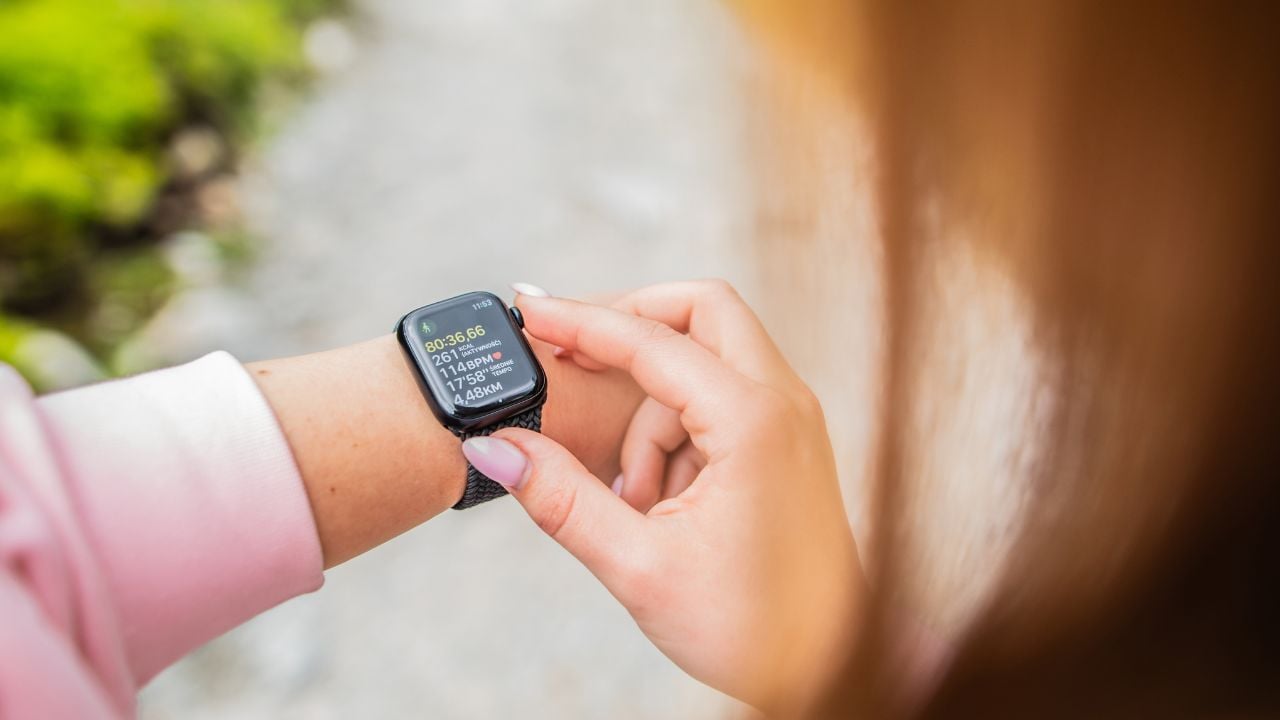
4. Fitness Trackers and Smartwatches
Fitness trackers and smartwatches sell on a promise of better habits, more steps, and steadier sleep.
A lot of them end up in a drawer instead.
The habit rarely sticks.
A widely cited 2014 study from Endeavour Partners found that a third of Americans who buy a smartwatch or fitness tracker stop using it within six months.
Apple Watch and Garmin still sell a lot of models today.
Newer versions fix some of the old complaints about battery life and comfort.
Not everyone “straps” back in, though.
Psst! How many of these tech-buying myths would you get right? Flip each card and find out.
5. Phone Protection Plans
Carriers pitch phone protection plans at checkout for almost every new phone sold.
Salespeople rarely mention how rarely the math favors buying one.
Consumer Reports found AppleCare+ costs iPhone owners $99.99 to $139.99 a year, depending on the model.
Not exactly pocket change.
You still need something to break first.
Run the numbers on a plan before adding it, not after.
Why AppleCare+ Only Pays Off For Some Buyers
AppleCare+ pricing depends on the phone.
The cheapest current iPhone runs $99.99 a year.
The newest Pro models top out at $139.99.
Two years on a Pro model adds up to $279.98 before anything ever breaks.
Skip the plan, and a screen repair on the newest Pro models costs $379 out of pocket.
Buy the plan, and that same repair drops to a $29 deductible.
The break-even only arrives if a screen cracks.
Many phones make it years without one.
6. Cord-Cutting Streaming Devices
Streaming devices like a Roku stick or a Fire TV Stick sold on a simple pitch: A small box, a few apps, and a lower bill every month than cable.
The box also made it easy to keep adding one more app.
A new streaming service is a few clicks away on a device already sitting under the TV.
There’s no store trip and no cable installer to talk a buyer out of one more upsell.
The typical streaming household now spends about $69 a month across all its subscriptions, according to Deloitte’s 2026 Digital Media Trends survey.
Subscriber churn hit 41 percent over the past six months.
And 61 percent of viewers said they’d cancel a favorite service over a $5 price increase.
One more fee.
The device that was supposed to end the monthly cable bill just made it easier to rebuild one, one app at a time.
7. Connected Fitness Equipment
Connected fitness equipment like a Peloton bike or treadmill arrives with a screen, a subscription, and a promise to make workouts feel like a class.
For many buyers, that promise wore off fast.
Peloton opened its Repowered resale marketplace in 2025, an admission that many owners wanted to sell their machines but had nowhere official to do it.
Buyers picking up Peloton equipment secondhand had already grown 16 percent year over year the summer before the marketplace launched, according to the company’s numbers.
Peloton didn’t build that market.
Its customers did, months before the company caught up to them.
Psst! How much do you know about the tech firsts that came before your smartphone? Take our quiz and see how many you get right.
Quiz
Tech Firsts Trivia
Answer these questions on consumer tech history before the smartphone. We bet you can’t get them all right. Prove us wrong?
What everyday grocery item became the first product ever scanned by a retail barcode reader, in Troy, Ohio, in 1974?
8. Smart TVs
Smart TVs sell on the promise of a bigger screen for a smaller price.
Streaming apps built right into the set are part of how the price gets that low.
The tradeoff rarely makes it onto the price tag.
The Federal Trade Commission found that VIZIO, a budget TV brand, built tracking software into 11 million of its smart TVs that logged what was on screen second by second.
VIZIO then matched that viewing history to each household's age, income, and education level.
VIZIO sold that viewing data to advertisers.
Cheap TVs aren't free.
The company never told buyers what its "Smart Interactivity" setting did.
The company paid $2.2 million in 2017 to settle the case with the FTC and the state of New Jersey.
A television bought for a better picture came with a second job nobody signed up for.
What a household watched helped pay for the discount, whether anyone in the house knew it or not.
12 Products From 2016 That Are Suddenly Cool Again Among Ohioans in 2026
A decade-old leggings pattern doesn't sound like a comeback story.
Ohio consignment racks are telling a different one this year.
These are the products Ohioans once tossed out and are now hunting down all over again.
12 Products From 2016 That Are Suddenly Cool Again Among Ohioans in 2026
9 Things That Change the Second You Cross From Ohio Into Kentucky

The Roebling Suspension Bridge carries drivers from Cincinnati into Covington in under a minute, yet the receipt in their hand looks nothing like the receipt from home.
These are the things that flip the moment Ohio turns into Kentucky.
9 Things That Change the Second You Cross From Ohio Into Kentucky
