
8 Things Nevadans Who Don’t Live in Las Vegas Want Everyone to Know

Say “Nevada,” and most Americans picture the Las Vegas Strip.
But Nevadans know there’s a whole lot more out there, from old mining towns to open range.
Here’s what they’d like the rest of the country to know.
Note: This is general information, not legal advice. Nevada’s animal and highway rules are subject to change.
1. Great Basin National Park
Great Basin National Park, which lists its address as Baker, Nevada, takes in the 13,063-foot summit of Wheeler Peak.
Its bristlecone pines grow in isolated groves just below the tree line, on Wheeler Peak, Mount Washington and Eagle Peak.
The National Park Service calls the Great Basin bristlecone the oldest non-clonal species on the planet.
Wheeler Peak was once home to the world’s oldest known tree, a bristlecone nicknamed Prometheus that had 4,862 growth rings when it was cut down in the 1960s.
The park’s page also invites you to bask in the darkest of night skies.
2. Elko’s Basque Roots
The Nevada State Historic Preservation Office says Basque sheepherders left Spain in the mid-1800s because of the Carlist Civil Wars.
The typical job was one herder, a couple of dogs and hundreds, if not thousands, of sheep.
If you pass through Elko or Winnemucca, you’re in towns that were historically local hubs for those herders, with prominent, close-knit Basque communities that still thrive today.
In 1964, Nevada’s centennial year, the Elko Basque Club organized a large Basque festival to mark the occasion.
The Humanities Center at Great Basin College says Elko then became the site of the annual National Basque Festival, held around the Fourth of July weekend.
3. Open-Range Law
If you drive through open range, Nevada Revised Statutes 568.360 says the owner of a domestic animal there has no duty to keep it off the highway.
That owner generally isn’t liable for damages or injury when a motor vehicle hits the animal on that highway.
A neighboring section, Nevada Revised Statutes 568.370, makes it unlawful, with an exception, to permit a dog to chase, worry, injure or kill domestic animals on open range or private property.
What Counts as Open Range
Nevada Revised Statutes 568.355 defines open range as all unenclosed land outside cities and towns where cattle, sheep or other domestic animals graze or roam by custom, license, lease or permit.
Section 568.360 also makes an exception when an owner negligently allows a domestic animal to enter a highway’s fenced right-of-way, and that owner is liable for damages from a collision there.
4. Virginia City’s Silver
The National Park Service calls Virginia City’s Comstock Lode the first major silver strike in the United States.
Workers extracted and milled almost seven million tons of ore in the district between 1860 and 1880.
Virginia City and nearby Gold Hill had 4,000 people in 1862, and by 1874 that number had risen to 25,000.
The district is a National Historic Landmark that includes Virginia City, Gold Hill, Silver City and Dayton, with 400 buildings across 14,750 acres.
Psst! How much do you know about Nevada’s backcountry? Take our quiz and see if you can ace it.
Quiz
Great Basin Trivia
Answer nine questions on parks, ghost towns, peaks and mining towns across the Great Basin. We bet you can’t get them all right. Prove us wrong?
Berlin-Ichthyosaur State Park protects fossils of sea creatures from an ocean that once covered central Nevada. About how long ago did they swim there?
5. Wild and Feral Horses
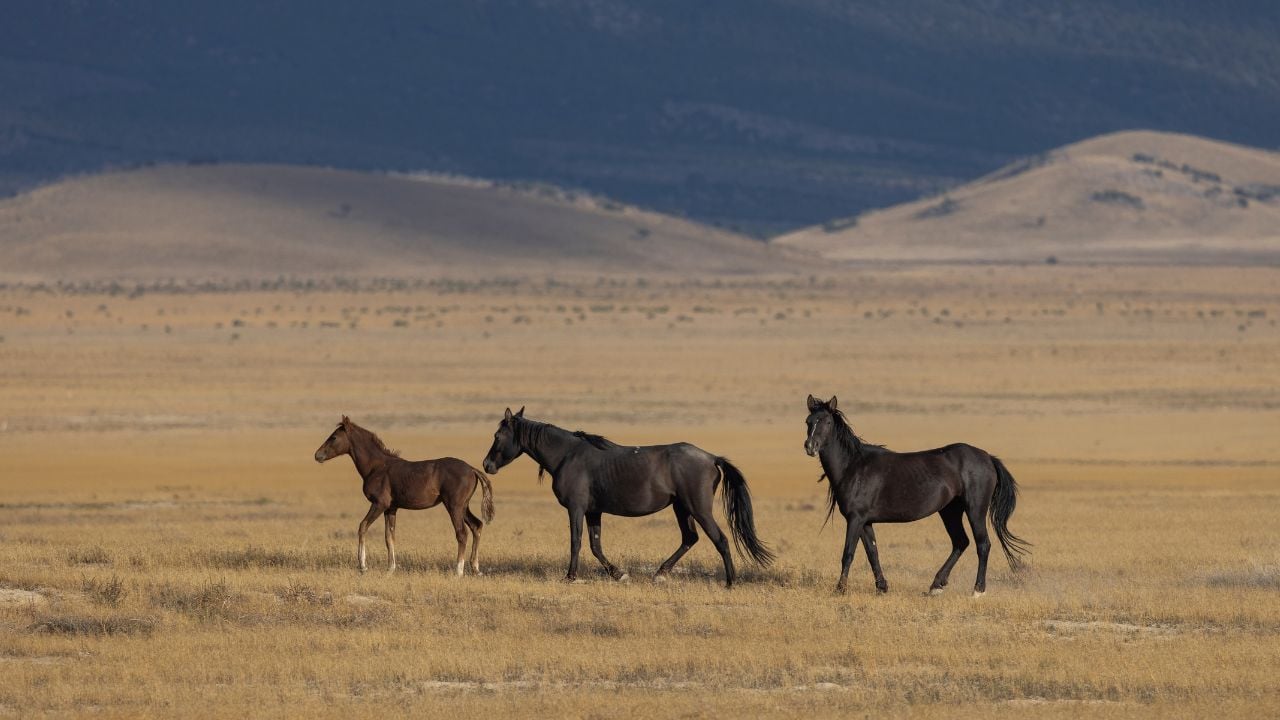
In 2020, the Nevada Department of Agriculture and the Nevada Department of Transportation warned drivers about feral horses on the Virginia Range.
That range includes Dayton, Virginia City and south Reno.
The Nevada Department of Transportation counted 240 horse-related crashes between 2017 and 2019, 45 of which resulted in human injury and one in a death.
Horse activity has increased on U.S. 50 and Alternate U.S. 395.
The agency installed fourteen miles of new livestock fencing on U.S. 50 between Stagecoach and USA Parkway in 2020.
Three wildlife undercrossings have also been installed.
The Department of Agriculture says it is unsafe and illegal to feed any feral livestock, and that only its approved cooperative partners may do diversionary feeding.
As of March 1, 2026, the Bureau of Land Management estimated 42,572 wild horses and burros in Nevada, out of 85,466 nationwide.
That's 37,426 horses and 5,146 burros.
6. Lake Tahoe's Nevada Side
Nevada State Parks calls Lake Tahoe the largest alpine lake in North America and runs Sand Harbor, established in 1958, in Incline Village.
The Tahoe Regional Planning Agency says most of the public beaches on the lake's East Shore were once part of the estate of George Whittell Jr., who owned about a third of the land in the Tahoe Basin in the mid-20th century, including 27 miles of shoreline.
The East Shore also holds the longest stretch of pristine shoreline at the lake.
Day-use entry at Sand Harbor is listed at $10 per Nevada vehicle and $15 per non-Nevada vehicle, so you'd pay $5 more in a California-plated car.
7. Extraterrestrial Highway
Highway 375 is extraterrestrial by designation: SFGate reported in July 1996 that Governor Bob Miller and the Nevada Department of Transportation had officially designated it the "Extraterrestrial Highway" that February.
You'd be driving a two-lane, 100-mile stretch from Warm Springs south to Hiko.
The tiny town of Rachel is the only sign of habitation along that stretch.
Travel Nevada places Rachel in Lincoln County, puts its population at about 70 and says the town was renamed for the first baby born there.
8. Nevada Day Parade
Nevada Day is October 31, but state law says it's observed on the last Friday in October, which in 2026 is October 30.
If you're in downtown Carson City on Saturday, October 31, Visit Carson City lists the Nevada Day Parade as stepping off at 10 a.m.
Nevada Day, Inc. says more than 200 entries march down Carson Street.
The parade has been a tradition since 1938, honoring the state's history and statehood.
Observed Friday, parade Saturday.
The Million Dollar Courthouse
Public radio station KNPR reports that Pioche's Lincoln County Courthouse was contracted at about $26,000.
By its completion in 1872, the courthouse had cost more than $75,000.
By 1909, the debt was well over $600,000, and Lincoln County finally paid off the courthouse in 1938.
The building became known as the Million Dollar Courthouse, and Travel Nevada says its total costs reached close to $1 million.
Pioche is in Lincoln County, more than 150 miles from Las Vegas.
Free tours of the courthouse are offered at 69 Lacour Street in Pioche.
9 Things Nevadans Miss Most After They Move Away
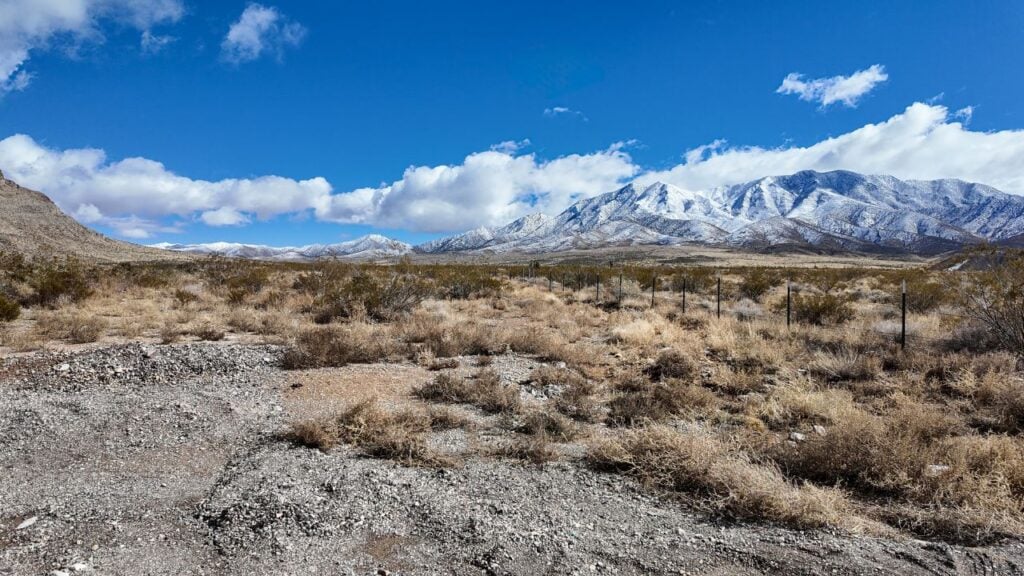
Some Nevadans move away and keep thinking about home.
Some of what they miss might surprise you.
9 Things Nevadans Miss Most After They Move Away
8 Things Nevada Does Better That Arizonans Won't Admit
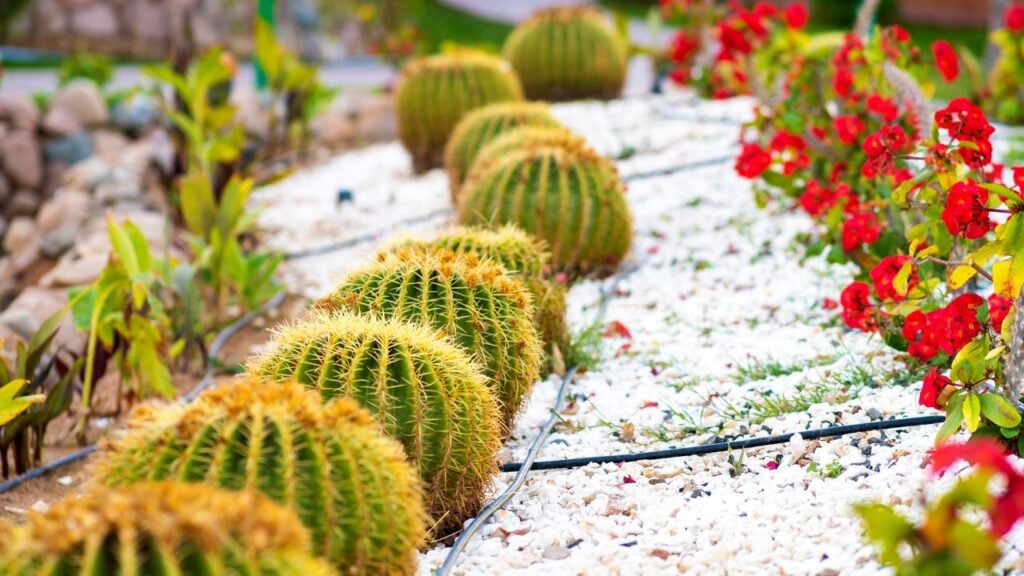
Ever compare what Arizona takes out of a paycheck with what Nevada takes?
That's only the start of what Nevada does better.
