
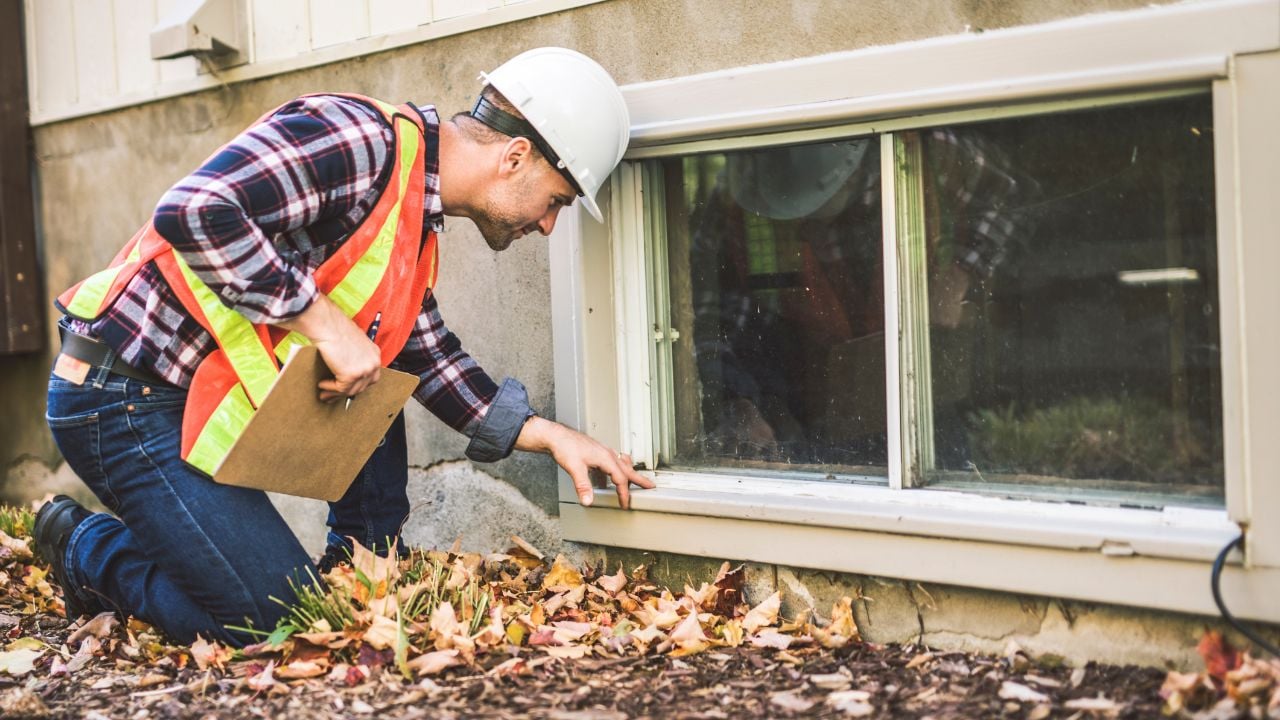
8 Things That Lower a North Carolina Home Appraisal More Than Owners Expect

A house can lose square footage without a single wall coming down. Nothing about the house changed, and the number on the appraisal still shrank.
A new rule now decides how appraisers measure that number.
Many North Carolina owners have never heard of it.
These are the North Carolina appraisal factors that catch owners off guard.
Note: This is general information, not appraisal, legal, or financial advice. Appraisal practices and standards are subject to change, so confirm current requirements with the North Carolina Appraisal Board.
1. Deferred Maintenance You Called Cosmetic
Every appraiser working in North Carolina fills out a condition rating for your home, using a scale that has nothing to do with how tidy the yard looks.
The scale runs from new construction down to a bottom tier so rough that Fannie Mae won’t finance it until repairs bring the house back up to standard.
Peeling paint counts.
A 25-year-old roof, flaking paint on the trim, or a water stain on the ceiling can each drop a home’s condition rating a full tier, even when nothing inside is broken.
For homes built before 1978, federal lead-paint rules can turn peeling paint from a cosmetic flaw into a required repair on a loan backed by the Federal Housing Administration (FHA).
How an Appraiser Scores Your Home’s Condition
An appraiser working on a North Carolina home assigns it one condition rating, from C1 to C6.
C1 means new construction that’s never been lived in.
C2 and C3 cover a well-kept home with only normal wear, not deferred repairs.
C4 allows some minor deferred maintenance.
C5 means those repairs are no longer minor.
C6 sits at the bottom, reserved for damage severe enough that Fannie Mae won’t finance the loan until it’s fixed.
2. Bedroom Without a Legal Exit
A North Carolina appraiser won’t count a room as a bedroom just because a floor plan or a listing calls it a bedroom.
The room needs its own door, a ceiling that clears 7 feet across at least half of it, and a second way out big enough to climb through in a fire.
North Carolina’s residential code sets that same baseline, requiring a net opening far bigger than many owners assume before a window counts as a legal fire exit.
Then it’s just an office.
Convert a closet or a sunroom into a fourth bedroom without meeting that standard, and a North Carolina appraiser lists the house as a three-bedroom home, no matter what the listing says.
That one missing bedroom can pull the whole comparison down, since a three-bedroom home draws a different, lower set of comparable sales than a four-bedroom house down the street.
3. Your Square Footage Under New Rules
Your home’s official square footage in North Carolina has followed one measuring standard since April 2022, whether you realized it or not.
Fannie Mae requires every appraiser to use a standard from the American National Standards Institute (ANSI), called Z765, and it redrew what counts as finished, livable space.
A staircase now counts toward the floor it descends from, a sloped ceiling counts only where it clears 5 feet, and a two-story foyer doesn’t count at all.
Basements never counted.
What changed is everything else.
Appraisers now measure staircases, low ceilings, and bonus rooms against one official standard instead of the rough estimate a listing might have used before 2022.
A home described as 2,400 square feet in a 2021 listing can come back smaller on today’s official number, with nothing torn down.
4. Renovation Nobody Permitted
An addition without a permit doesn’t automatically disappear from a North Carolina appraisal, but it doesn’t automatically count at full value either.
Fannie Mae’s guide requires the appraiser to comment on quality and weigh what any unpermitted work does to the home’s value.
No permit, no guarantee.
A finished basement, a converted garage, or a sunroom built without county sign-off can lose part of its credited value even when the work itself looks solid.
The fix is unglamorous: Pull the permit after the fact where the county allows it, and keep the inspection paperwork with the deed.
5. Foreclosures Setting Your Comps
North Carolina appraisals lean on comps, the recent sales of similar homes nearby.
Not every comp sold under normal conditions.
Fannie Mae allows a foreclosure or a short sale to count as a comp when it’s one of the best matches available, but the appraiser has to flag and adjust for any difference in condition.
Distressed doesn’t mean identical.
A neighborhood with several bank-owned sales in the past year can drag the whole comparison down, even for a well-kept home that has never missed a payment.
That drag tends to show up in newer subdivisions, where a few owners bought at the top of the market and later lost the house.
6. Flood Risk the Map Missed
A North Carolina home’s flood history now follows it onto paper before a sale even closes.
Since 2024, the North Carolina Real Estate Commission has required sellers to answer direct questions about flood insurance and past disaster aid on the disclosure form.
The appraiser runs a separate check, naming the exact flood zone from the Federal Emergency Management Agency (FEMA) on the appraisal report.
That flood-zone designation can work against the home on its own, separate from any water damage it has ever taken.
Appraisers are trained to flag anything that narrows a property’s pool of willing buyers.
Fewer buyers willing to take on flood insurance and flood risk usually means a lower number on the report.
Outside the zone proves nothing.
A University of North Carolina at Chapel Hill study covering flood events across North Carolina from 1996 to 2020 found that 43% of the buildings that flooded sat outside FEMA’s mapped zones.
7. Busy Road or Power Line
A transmission tower or a four-lane highway next door becomes a permanent mark against a North Carolina home’s appraisal, no matter how well the house itself is kept.
Appraisers call this external obsolescence, a value hit from something outside the property line that no amount of renovating can fix.
Nobody can move a tower.
A home backed up to a commercial strip, a rail line, or a row of transmission towers can appraise for measurably less than an identical house two streets over, and the sale price never quite closes that gap.
The same logic runs in reverse for a calm cul-de-sac or a lot backing onto protected woods, which is part of why two nearly identical houses a half-mile apart can appraise miles apart in price.
Psst! How appraisal-ready is your North Carolina home? Run through this checklist and see where you land.
8. Upgrade That Outgrew the Block
A North Carolina homeowner who drops six figures into a renovation can watch the appraisal come back lower than the spending alone would suggest, especially when the upgrade outpaces the block around it.
Appraisers call it superadequacy, a feature so far beyond what the neighborhood supports that the market won’t pay full price for it.
Building it wasn’t cheap.
A course written for appraisers uses a 5,000-square-foot house dropped into a neighborhood of two- and three-bedroom homes as the textbook example. The same math applies to a primary suite addition or a resort-style pool going into a starter-home subdivision.
Superadequacy counts as a form of depreciation, the same bucket that covers a worn roof or an outdated kitchen.
Appraisers subtract it from the total instead of adding the upgrade’s full cost.
That gap between the renovation’s price tag and the appraisal’s number is what trips up owners at refinance time.
9 North Carolina HOA Rules Homeowners Wish They’d Read Before Signing
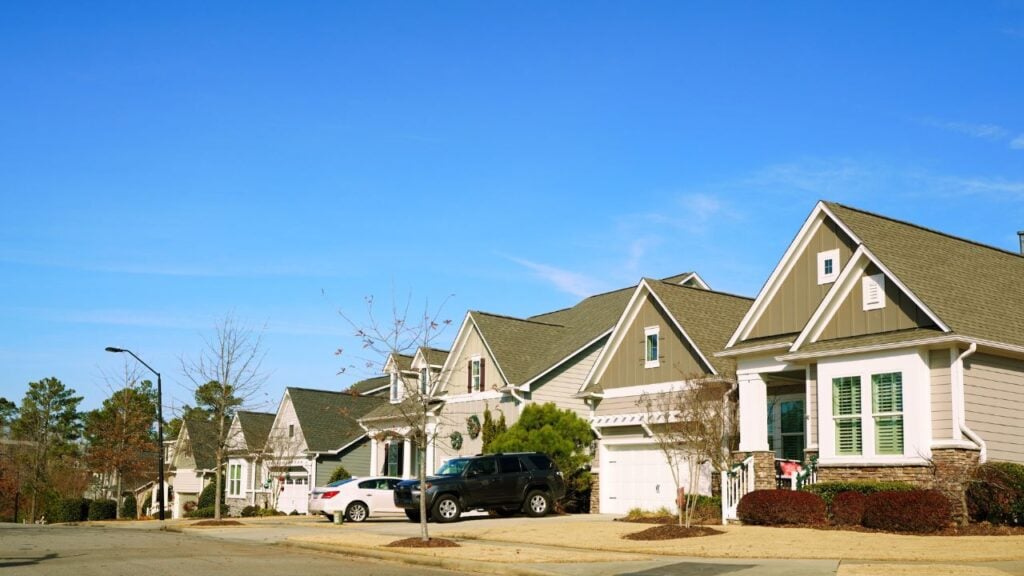
A couple closes on a new build outside Cary and skims right past the thick stack of paperwork underneath the loan disclosures.
That stack holds the Homeowners Association (HOA) declaration and bylaws, the rules that follow the house long after closing.
9 North Carolina HOA Rules Homeowners Wish They’d Read Before Signing
8 North Carolina Mountain Towns That Get Overrun Every Fall
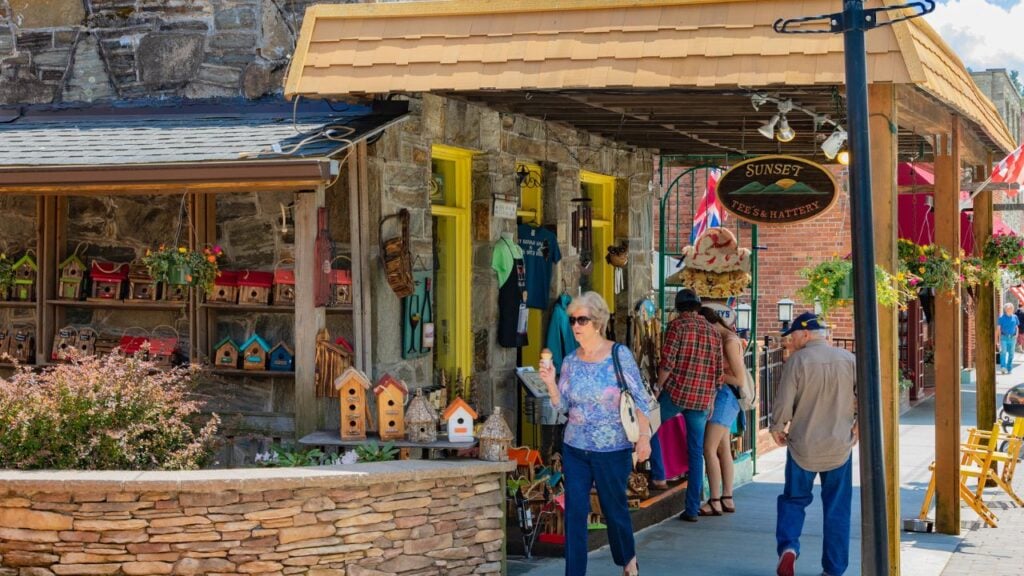
Great Smoky Mountains National Park logged more than 11.5 million recreational visits in 2025, more than any other national park in the country.
A large share of them cross into North Carolina every fall.
Small mountain towns take on that traffic on top of their own festivals, weddings, and homecoming weekends.
These are the North Carolina towns that feel it the most.
