
8 Trader Joe’s Habits That Annoy Every Other California Shopper

A Trader Joe’s shopping cart holds about half the groceries as a standard supermarket cart. Only Dollar Tree’s carts are smaller.
Even so, wedging a cart down a Trader Joe’s aisle at rush hour causes tempers to fray fast.
These are the Trader Joe’s habits that annoy other California shoppers.
1. Parking Carts Across the Aisle
Trader Joe’s keeps its stores small on purpose, generally 8,000 to 12,000 square feet against a standard supermarket’s much larger footprint.
That tight footprint carries into every aisle.
California’s busiest locations turn that squeeze into a nightly bottleneck.
A shopper stops dead to read a label or reach for a sample.
Their cart just sits there sideways, blocking traffic in both directions.
Shoppers have openly wondered online why Trader Joe’s regulars seem to lose all sense of who else is standing in the aisle with them.
Squeeze past with an “excuse me,” and the offending cart’s owner barely looks up.
It happens almost every trip.
2. Turning Samples Into a Buffet
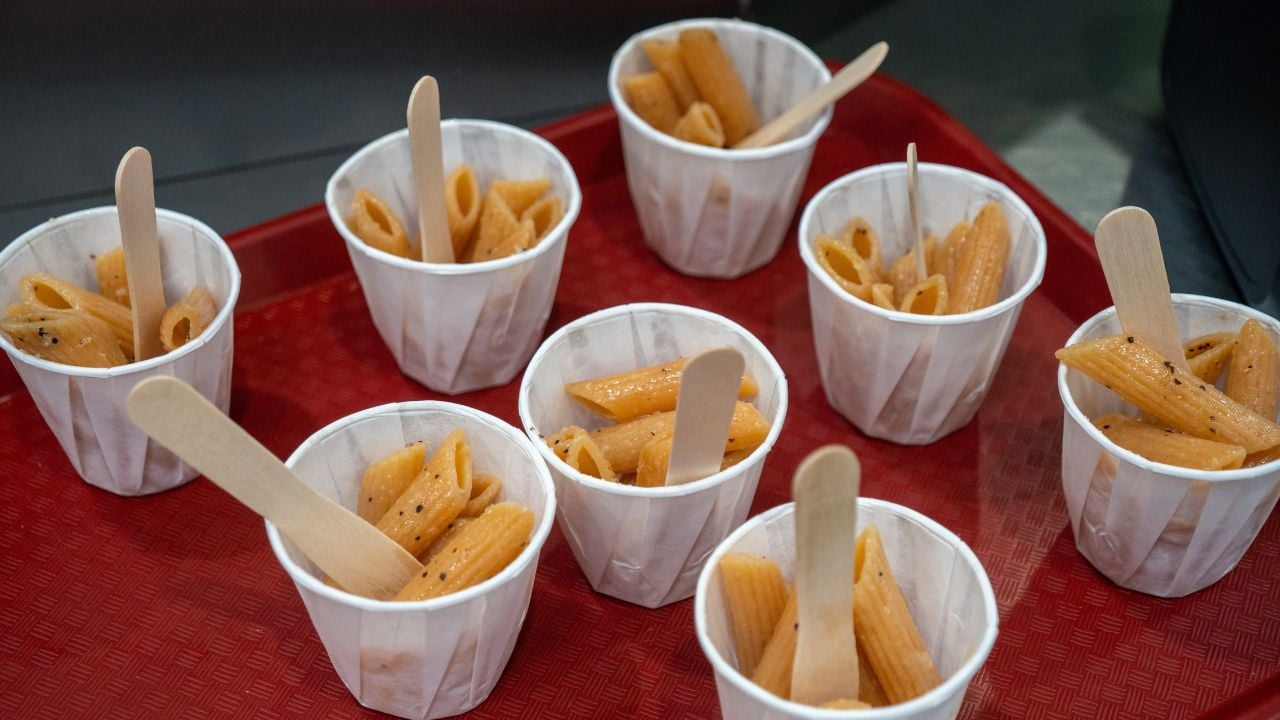
Trader Joe’s built the free sample table into the shopping trip, and most Californians treat it exactly the way it’s meant to be treated: A quick taste, then back to the cart.
A few don’t.
They circle back for seconds, then thirds, while a small line of other shoppers waits for a turn that keeps sliding further away.
The empty cups don’t help either.
Used sample cups turn up abandoned on Trader Joe’s shelves, tucked behind cereal boxes or left riding in someone else’s cart, a small mess for the next shopper to find.
Nobody asked for that.
3. Emptying the Shelf the Minute a Viral Item Restocks
Trader Joe’s has restocked its mini canvas tote bags in new colors every few months since they first sold out in 2024.
Each drop draws the same scene at California stores: Lines wrap around Los Angeles-area locations before the $2.99 totes even hit the shelves.
Some regulars buy as many totes as they can carry, then resell them on eBay, Depop, or Facebook Marketplace for hundreds of dollars apiece, even though Trader Joe’s says it doesn’t condone the practice.
The shopper who walks in an hour later looking for produce and pasta finds an empty display and a line of regulars already checking their phones for the next rumored restock.
The wait never ends.
Why Trader Joe’s Purchase Limits Aren’t the Same Everywhere
Trader Joe’s corporate office doesn’t set one nationwide cap on a hot item.
Individual store managers set their own limit on the spot once a restock starts moving too fast.
That’s why a shopper at one California location can hit a purchase limit while a shopper at a store two towns over finds no limit at all, just an empty shelf and a longer wait for the next truck.
4. Leaving the Cart in the Lot
Trader Joe’s ties every store’s parking capacity to its square footage, and a 12,000-square-foot location can be legally allotted only a fraction of the spaces a supermarket several times its size gets.
A stray cart rolling loose in a lot that tight can still dent a car parked two spaces down.
A shopper unloads the trunk, then just walks away, leaving the cart parked in an open spot instead of wheeling it twenty feet to the corral.
Wind does the rest.
One Trader Joe’s shopper’s TikTok defending her choice to skip the cart return went viral and split the comment section right down the middle.
Some commenters sided with her.
Many more pointed out that Trader Joe’s corrals sit close enough that there’s rarely an excuse.
Psst! How much do you know about Trader Joe’s history and quirks? Take our quiz and see how many you can get right.
Quiz
Trader Joe’s IQ
Answer these questions on Trader Joe’s history and quirks. We bet you can’t get them all right. Prove us wrong?
Which Los Angeles-area city did Joe Coulombe pick for the very first Trader Joe’s in 1967?
5. Backing Out of a Spot Instead of Pulling Through
Trader Joe's regulars who back out of a spot instead of pulling through block the drive aisle for as long as it takes to clear it.
In a lot already running at capacity, that's one car idling with its brake lights on while three more wait behind it, unable to pass in either direction.
A former Trader Joe's employee who spent months patrolling the lot says she watched far more near-misses happen from cars backing out of a spot than from any other single cause.
Just pull through.
Pulling straight into the next row on the way in means driving forward on the way out, cutting the wait for everyone else circling for a spot.
6. Blocking the Crosswalk Out Front
Trader Joe's stores put their loading zones close to the door for a reason, so a curbside pickup doesn't have to compete with foot traffic.
Many shoppers ignore that anyway, and double-park right across the crosswalk while they wait on a cart of groceries.
Everyone walking out has to detour around a bumper that shouldn't be there.
A former Trader Joe's crew member's own advice on this one is simple: Idle at a low-traffic curb instead, so the crosswalk stays clear for the next cart coming through.
Pull up to the curb.
7. Piling on Without Helping Bag
A Trader Joe's checkout line moves only as fast as the cashier scanning and bagging it, since the chain has never added a self-checkout lane.
That system runs on a little cooperation from the shopper standing at the register.
Some shoppers skip that part entirely, stacking a cart's worth of groceries onto the belt and then just standing there while the cashier scans, bags, and restacks alone.
The line behind them doesn't move.
Grabbing a bag and helping stack often cuts that wait in half for every shopper stuck behind a big order.
It adds thirty seconds, tops.
8. Handing Over a Grimy Bag
A Trader Joe's cashier has to open every reusable bag a shopper hands across the register.
Crumbs, spilled milk, and a forgotten receipt or two are common enough finds inside a "reusable" bag that clearly hasn't been washed since the last trip.
Nobody wants that job.
The shopper waiting behind watches the cashier pick through it anyway, one more reason the line barely moves.
A quick shake-out before checkout spares both the cashier and the next shopper in line.
California Carries the Weight of All This
Trader Joe's calls California home more than any other state, with 211 stores making up close to a third of every location the chain runs in the country.
That concentration means more regulars sharing the same tight footprint, week after week.
The carts don't help.
Trader Joe's carts hold about 7,765 cubic inches of grocery space, smaller than every major chain's except Dollar Tree's, which is a big part of why one oversized order can jam an entire aisle.
More stores mean more of that friction, day after day.
Why Shoppers Keep Coming Back Anyway
Trader Joe's scored 86 out of 100 on the latest American Customer Satisfaction Index's supermarket ranking, the best mark of any grocery chain measured.
In the West, that score rises to 87.
That's not a fluke.
Low prices on private-label staples, a rotating lineup of seasonal snacks, and a crew that still greets shoppers by name keep regulars coming back.
That churn is part of the appeal, weirdly enough.
A regular who skips a month often comes back to find a favorite seasonal item gone for good, discontinued without warning, and shows up again the next week anyway, hunting for whatever replaced it.
9 Things Californians Do That Instantly Give Them Away in Another State
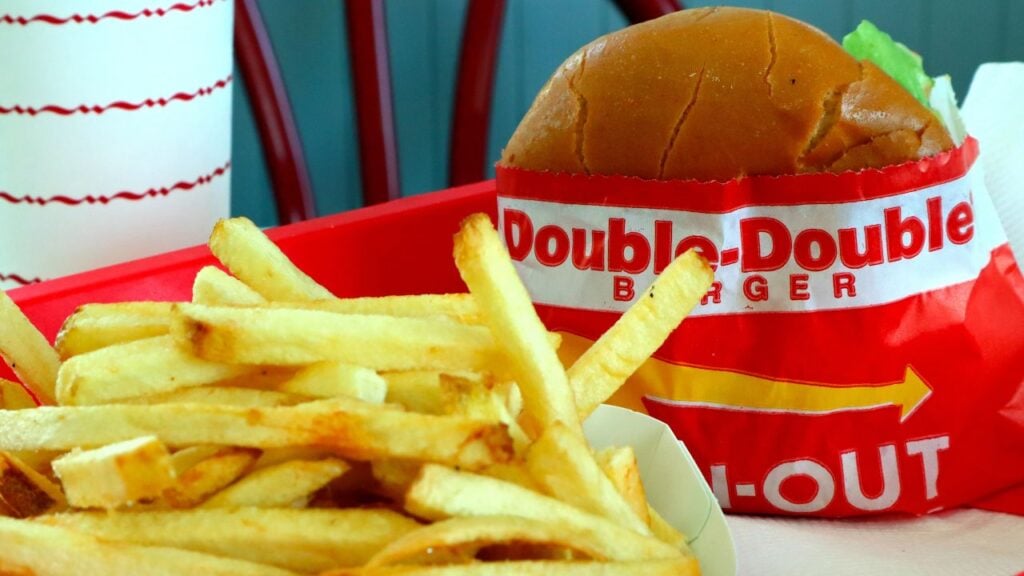
Regular gas in California runs about $1.50 more per gallon than the national average, the widest gap of any state in the country.
That kind of math rewires how people drive, talk, and shop, long after they've left the state behind.
9 Things Californians Do That Instantly Give Them Away in Another State
8 Things California Retirees Regret Not Doing Before Their Final Paycheck
California's top income tax rate tops out at 13.3%, the highest of any state in the country, and it follows a paycheck straight into retirement.
A few decisions made in the final weeks on the job end up shaping a retiree's finances for years afterward.
8 Things California Retirees Regret Not Doing Before Their Final Paycheck
