
8 Urgent Care Charges North Carolina Patients Can Dispute

North Carolina patients who ask for a price before an urgent care visit have a federal right to fight the final bill if it lands $400 or more above what they were quoted.
Many never ask.
That missed question is only part of the problem, since urgent care bills carry many other line items patients assume are locked in.
They aren’t, and these are the charges on a North Carolina urgent care bill that a patient can dispute.
Note: This is general information, not legal, financial, or insurance advice. Billing rules and dispute deadlines are subject to change.
1. Charging a Hospital’s Facility Fee
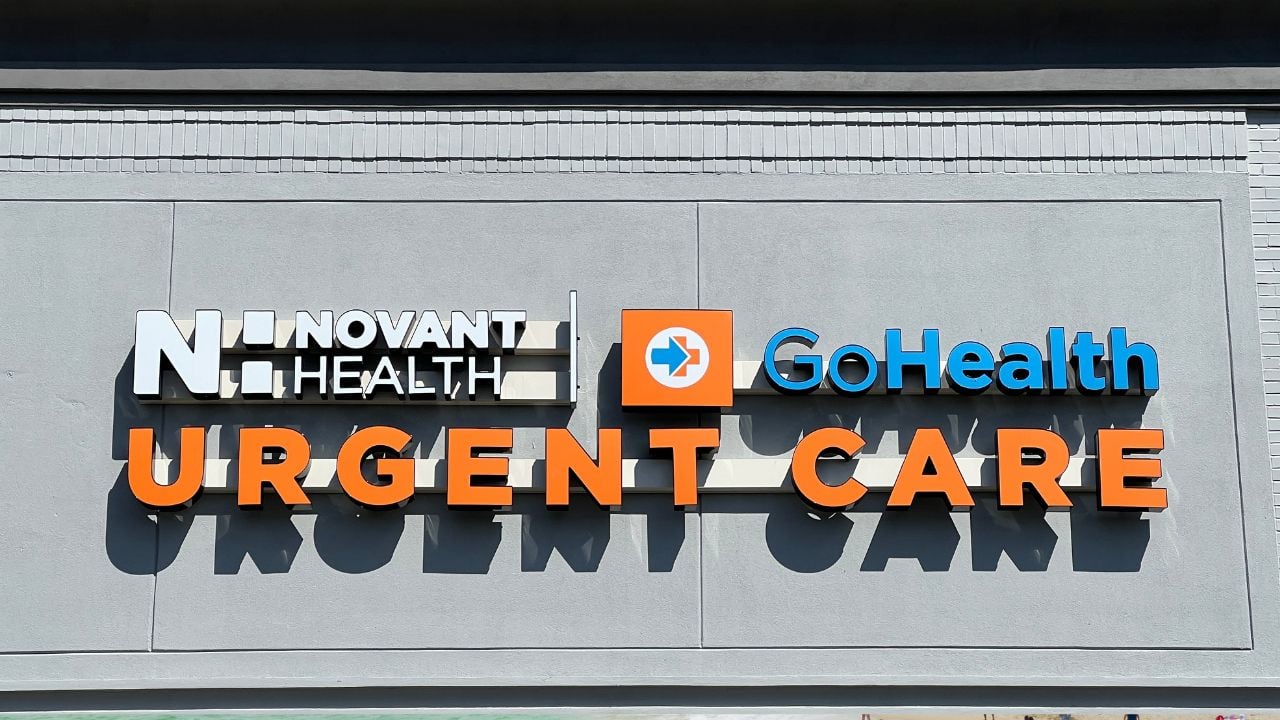
North Carolina hospital systems like Novant Health run GoHealth urgent care locations across Mecklenburg County under the hospital’s own license.
That license lets the system add a facility fee that an independent urgent care like FastMed never charges.
Same sprained wrist, same waiting room, one extra line on the bill.
Every hospital system has to publish its standard charges under the federal price transparency rule, facility fees included, so the number on your bill should match a number the hospital already posted online.
It often doesn’t.
Pull up the hospital’s posted price list, compare it to your bill, and send any mismatch to the billing office in writing.
What a Facility Fee Buys
Novant Health and other North Carolina hospital systems bill a facility fee to cover the overhead of running a licensed hospital outpatient department, not the doctor’s own time.
That’s a separate charge from the professional fee listed on the same bill.
A hospital that skips the required price posting risks a federal penalty of more than $5,500 a day, so the hospital’s own posted price is the number to hold it to.
2. Charging Emergency Room Prices for Urgent Care
North Carolina licenses some clinics that patients easily mistake for urgent care as freestanding emergency departments, and the charges on the bill follow an emergency department’s pricing.
One patient near Charlotte walked out of a stitches visit at a clinic just like that with a bill topping $3,000, the kind of number a true urgent care almost never reaches.
Not close.
Check the sign and the paperwork for the words “emergency department” before you’re treated.
Look the facility up on North Carolina’s own health facility license search if you’re unsure.
If it turns out to be a licensed emergency department, federal and North Carolina rules cap what you pay at your plan’s in-network rate for emergency services, no matter which network the facility itself belongs to.
That protection follows the visit, not the sign out front.
Already got the bill? Put the dispute in writing to the billing office, name the No Surprises Act‘s in-network cost-sharing cap for emergency services, and ask for the corrected amount.
If the office won’t fix it, escalate to North Carolina’s Smart NC program and request the facility’s licensure status in writing, so you have documented proof of what kind of facility treated you.
3. Landing $400 Over Your Estimate
North Carolina patients without insurance, or anyone paying an urgent care bill out of pocket, can ask for a Good Faith Estimate before they’re treated, in person, over the phone, or in writing.
Many never think to ask.
Ask anyway, and get it in writing.
If the final bill lands $400 or more above that estimate, you can file a claim through the federal Patient-Provider Dispute Resolution process within 120 days of the bill.
The filing fee runs $25, and you get it back if the reviewer sides with you.
An independent reviewer, not the urgent care’s own billing office, decides what you owe.
4. Coding a Simple Visit as Complex
FastMed and every other North Carolina urgent care center bills your visit under a procedure code, and a five-minute strep check should never carry the same code as a complicated, multi-system exam.
That upgrade is called upcoding.
It’s a common reason a $150 visit turns into a $400 one.
Ask the billing office for an itemized bill with the procedure codes listed, then match each code to what happened in the exam room.
A mismatch is grounds to dispute the charge with the billing office directly, and to appeal it with your insurer if an insurer was billed for the visit.
5. Adding a Separate Out-of-Network Bill
A North Carolina hospital-owned urgent care like Novant Health-GoHealth can sit in-network with your insurer while an individual doctor working that shift doesn’t.
That doctor can send you a separate bill.
You never chose that doctor.
Under the No Surprises Act, that’s exactly the situation the law was built to fix: An out-of-network provider treating you at an in-network, hospital-based facility can’t charge you more than your plan’s cost-sharing amount.
That automatic cap covers specialties like emergency medicine, anesthesiology, pathology, radiology, and hospitalist care, so a doctor outside those specialties can still balance-bill you if they give proper advance notice and you agree in writing to waive the protection.
Send that bill back to the provider, and cite the law by name.
Psst! See how urgent care costs stack up against the emergency room for the same North Carolina visit. Search for your scenario below.
6. Marking Your Visit Not Necessary
An insurer can deny a North Carolina urgent care claim by marking the visit “not medically necessary,” even when a doctor treated an infection or injury on the spot.
A denied claim turns the visit’s full charge into the patient’s bill, which is exactly what Smart NC’s external review exists to challenge.
That’s the insurer’s opinion, not the final word.
Appeal it anyway.
File an internal appeal with your insurer first, in writing, before the deadline printed on the denial letter.
Still denied? Escalate to North Carolina’s Smart NC program for an external review, where an independent reviewer outside your insurer makes the final call.
Smart NC handles the whole process free of charge.
7. Billing the Same Charge Twice
A North Carolina urgent care bill can list a strep swab, a rapid strep test, and a throat culture as three separate line items when only one test happened.
That’s duplicate billing.
It shows up more often than patients expect.
Check twice.
Request an itemized statement, and read every line against what happened in the exam room.
Flag any repeat, then put the dispute in writing to the billing office.
If the office won’t budge, North Carolina’s Attorney General’s office and the Department of Insurance’s Smart NC division both take consumer billing complaints.
8. Charging Out-of-Network off a Bad Directory
An insurer’s own provider directory can list a North Carolina urgent care as in-network when the contract lapsed months earlier.
The patient has no way to know that walking in the door.
That’s a directory error, not a choice you made.
It’s fixable, though.
Save a screenshot of the listing you searched before your visit.
Appeal the out-of-network bill to your insurer, and attach the screenshot as proof you relied on their own information.
Smart NC can step in if the insurer won’t fix a documented directory mistake.
The Facility-Fee Bill Still Stuck in Raleigh
North Carolina’s Senate passed a bill in 2025 to stop hospitals from tacking a facility fee onto routine clinic and urgent care visits outside of true emergencies, an estimated $200 million a year in savings for patients statewide.
The House hasn’t voted on it.
Not yet, anyway.
Hospital-owned urgent care clinics can still add a facility fee to a routine visit in North Carolina today, whether or not that changes.
That makes the price transparency rule, and a sharp eye on your itemized bill, the only backstop for now.
Federal rules require insurers to verify every listing in a provider directory at least every 90 days, and to fix a known error within two business days of being told about it.
A screenshot dated before your visit is exactly the kind of proof that starts that clock, so save it the moment you search, not after the bill arrives.
5 Secrets Harris Teeter Employees Wish North Carolina Shoppers Knew
A wrong price at the register isn’t the only thing Harris Teeter handles by a rule that’s written down but rarely mentioned out loud.
North Carolina shoppers who’ve never asked the right question are leaving these five secrets on the table.
5 Secrets Harris Teeter Employees Wish North Carolina Shoppers Knew
8 Money Mistakes North Carolina Renters Make Before Signing a Lease

A Durham renter who signs a lease without reading page three can hand over money North Carolina law never required.
These are the mistakes costing North Carolina renters money before they even move a box in.
8 Money Mistakes North Carolina Renters Make Before Signing a Lease
