
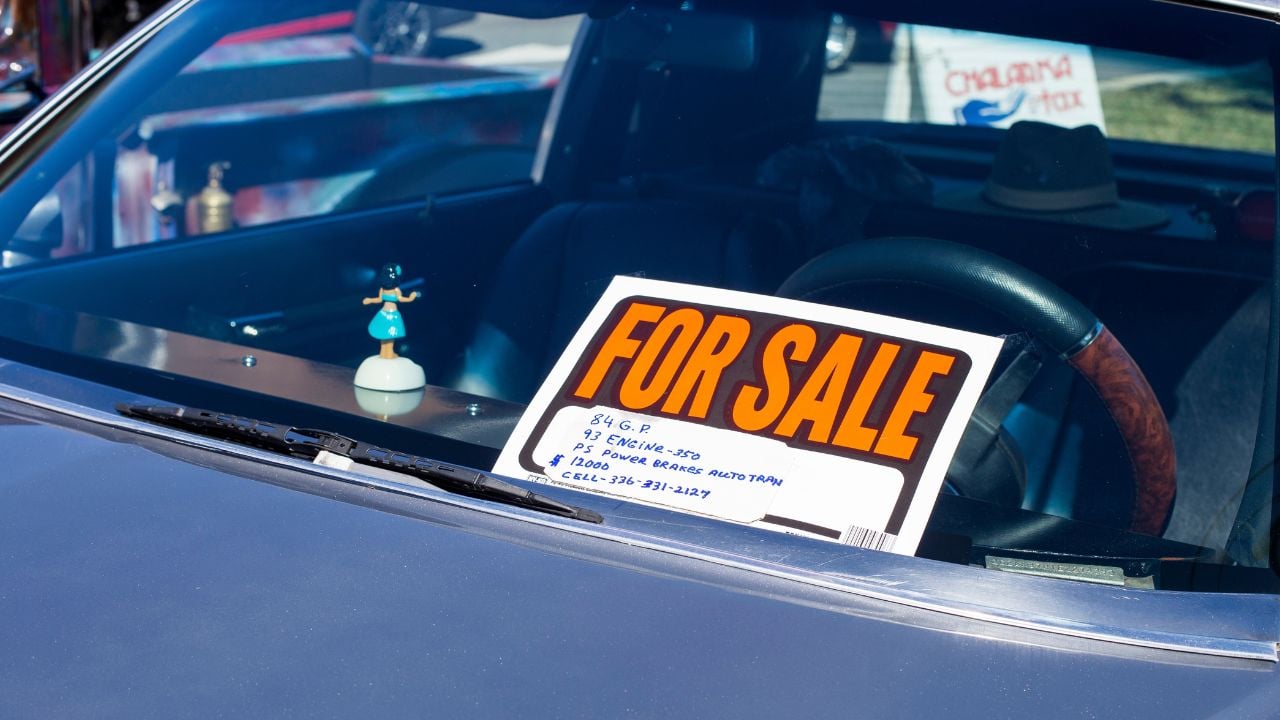
8 Ways Virginia Drivers Get Burned Buying a Car From a Private Seller

Virginia gives a buyer exactly 30 days to title a car bought from a private seller. A dealer normally clears that deadline before the buyer even leaves the lot.
As for a private-sale buyer?
They usually have to go at it on their own.
These are the ways Virginia buyers get burned once that paperwork disappears from a driveway sale.
Note: This is general information, not legal advice. Virginia’s title, tax and inspection requirements are subject to change, so confirm the current rules with the Virginia Department of Motor Vehicles.
1. An As-Is Sale With No Warranty Behind It
A private car sale in Virginia is a deal between two ordinary people, not a business and a customer.
That difference wipes out nearly every legal protection a dealership has to offer.
Under Virginia’s own commercial code, an implied warranty that a car is fit to drive only attaches when the seller is a merchant selling that kind of good for a living.
A neighbor selling his own Accord off Facebook Marketplace doesn’t count.
So a private as-is sale in Virginia carries no built-in promise that the car works, the way some dealer sales still do.
None of it.
A transmission that fails a week after the sale is the buyer’s transmission to fix, not the seller’s.
The one thing that still counts against a seller is outright fraud, like lying about a wreck or hiding a known defect on purpose.
2. An Odometer Number Nobody Double-Checks
The odometer reading on a Virginia title is the seller’s own entry, recorded in the assignment section the buyer later signs.
A private seller fills out that number alone, with no dealer intake process, no CarFax pull, and no second party checking it against the car before the buyer ever sees the title.
That requirement covers any vehicle from model year 2011 or newer, a federal rule that stays in effect until 2031.
A blank box, a guessed number, or a reading that doesn’t match the dashboard should stop a sale cold.
Many buyers sign anyway.
They glance at the number on the title, glance at the dash, and move straight on to the bill of sale.
That’s the only window many buyers get to catch a rolled-back odometer before the paperwork makes it official.
3. A Lien That Never Clears
A private-sale car can still carry an active loan underneath the signature, even though Virginia’s title system assumes it’s free and clear once the seller signs over the paperwork.
Paying the seller in full doesn’t touch what they still owe their own lender.
The loan stays.
Many Virginia lenders release a paid-off lien electronically through the DMV’s own Electronic Lien Program, clearing it from the title without extra paperwork once the lender processes the release.
Until that release posts, the lender can still repossess the car, no matter what a buyer paid a stranger in a driveway.
How Virginia Buyers Confirm a Lien Is Released
Virginia’s own DMV sells a Prospective Purchaser Inquiry report for $12 that pulls a car’s title record straight from state files before any money changes hands.
That report shows whether an active lien is still attached, not just what the seller claims about the loan.
Once the seller’s lender sends the release electronically, DMV runs the request overnight and prints a new “Lien Satisfied” title the next morning.
That new title goes to whichever address DMV has on file for the loan, not automatically to the buyer.
If the release hasn’t posted by the time the sale closes, DMV’s own records still show the loan attached to the car, no matter who’s holding the keys.
A buyer who orders that report, or meets the seller’s lender in person to pay off the balance directly, never learns about a repossession the hard way.
4. A Sales Tax Bill Bigger Than Expected
Every vehicle sale in Virginia, private or dealer, owes a 4.15% Sales and Use Tax on the gross sales price or $75, whichever is more.
A dealer sale gets a trade-in credit against that number.
Private sales don’t.
Write down a friendly, lower price to save on tax.
Virginia’s DMV can flag it anyway.
On a vehicle less than five years old, a sale price more than $1,500 below the value listed in the NADA guide, a standard used-car pricing book, triggers a notarized affidavit before the state will title the car at all.
That’s a trip to a notary many buyers never planned on.
Psst! How exposed are you buying a car from a private seller in Virginia? Run through this checklist and see where you stand.
5. Driving Home With No Legal Inspection
A current safety inspection sticker has to be on every vehicle Virginia allows on the road.
A private seller is never required to hand over a fresh one at the sale.
There’s no grace period once a car sits registered in the buyer’s name, and no waiver just because the purchase is brand new to them.
No sticker, no exceptions.
A trooper can pull over and ticket a buyer who drives straight from the seller’s driveway to a first tank of gas, before the odometer even ticks up.
The inspection itself costs $20, and buyers in Northern Virginia also need a valid emissions certificate before DMV will finish the registration.
6. No Lemon Law to Fall Back On
Only buyers of new vehicles still inside their original manufacturer’s warranty get Virginia’s lemon law protection, with rights running for 18 months from the day a dealer first delivers the car.
A private sale never qualifies, no matter how new the car looks or how bad the defect turns out to be.
No dealer to blame.
A dealer selling a used car as is can still trigger other consumer protections under Virginia law, but a private seller unloading their own car carries none of that exposure.
7. A 30-Day Clock Already Running
A buyer gets 30 days from the date of sale to apply for a Virginia title in their own name.
That clock starts the moment the seller signs, not whenever the buyer finally makes it to a DMV counter.
A dealer typically handles that paperwork for the buyer as part of the sale; a private-sale buyer is entirely on their own to hit the deadline.
Life gets busy.
A move, a work trip, or simply not knowing the deadline exists is enough to blow past it.
Miss the window, and DMV adds a late fee.
Virginia’s Department of Taxation can also add interest on any sales tax still outstanding.
An honest oversight turns into an extra bill.
8. A Branded Title History Nobody Has to Check
A car titled in Virginia can still be hiding a flood, salvage, or rebuilt history that started in another state entirely.
That’s called brand washing.
It happens when a vehicle carries a branded title in one state, then gets retitled somewhere that never checks back with the state that issued the original brand.
The record can come back clean, even though nothing about the car changed.
Virginia’s own DMV points every buyer toward the federal lookup known as the National Motor Vehicle Titling Information System before any money changes hands.
Virginia law requires anyone selling a rebuilt vehicle to disclose that status in writing, private sellers included, but only a licensed dealer answers to the Motor Vehicle Dealer Board for skipping it.
A private seller who never ran the check, or doesn’t know the car’s history, faces no such consequence.
Running that check falls on the buyer alone in a private sale.
The car doesn’t leave its accident or flood history behind just because the title changes state.
Running the VIN takes only a few minutes, often the only check a private-sale buyer gets before the money changes hands.
9 Virginia Property Line Disputes That Turn Neighbors Into Enemies

A Virginia property line looks obvious until a surveyor’s stake lands somewhere nobody expected.
A basic boundary survey runs $1,200 to $5,500, and that’s sometimes the cheapest part of sorting out who owns what.
9 Virginia Property Line Disputes That Turn Neighbors Into Enemies
8 Money Mistakes Virginia Homeowners Make Before They Retire

A couple in Roanoke pays off their mortgage, circles a retirement date, and figures the hard part is behind them.
Three years later, the numbers they ran at the kitchen table stop matching what shows up on paper.
8 Money Mistakes Virginia Homeowners Make Before They Retire
