
8 West Virginia Mineral Rights Surprises That Blindside Families Who Inherit Land

Three-fourths ownership is the only number that decides whether a company can lease a West Virginia mineral tract, not a unanimous family vote.
Once owners holding that share agree to a company’s terms, state law treats every other heir as if they’d signed the same lease too.
That catches a lot of heirs off guard, especially the relatives who never planned to sign anything at all.
These are the West Virginia mineral rights surprises that catch inheriting families off guard.
Note: This is general information, not legal advice. West Virginia mineral rights laws and procedures are subject to change.
1. Split Ownership From Severed Estates
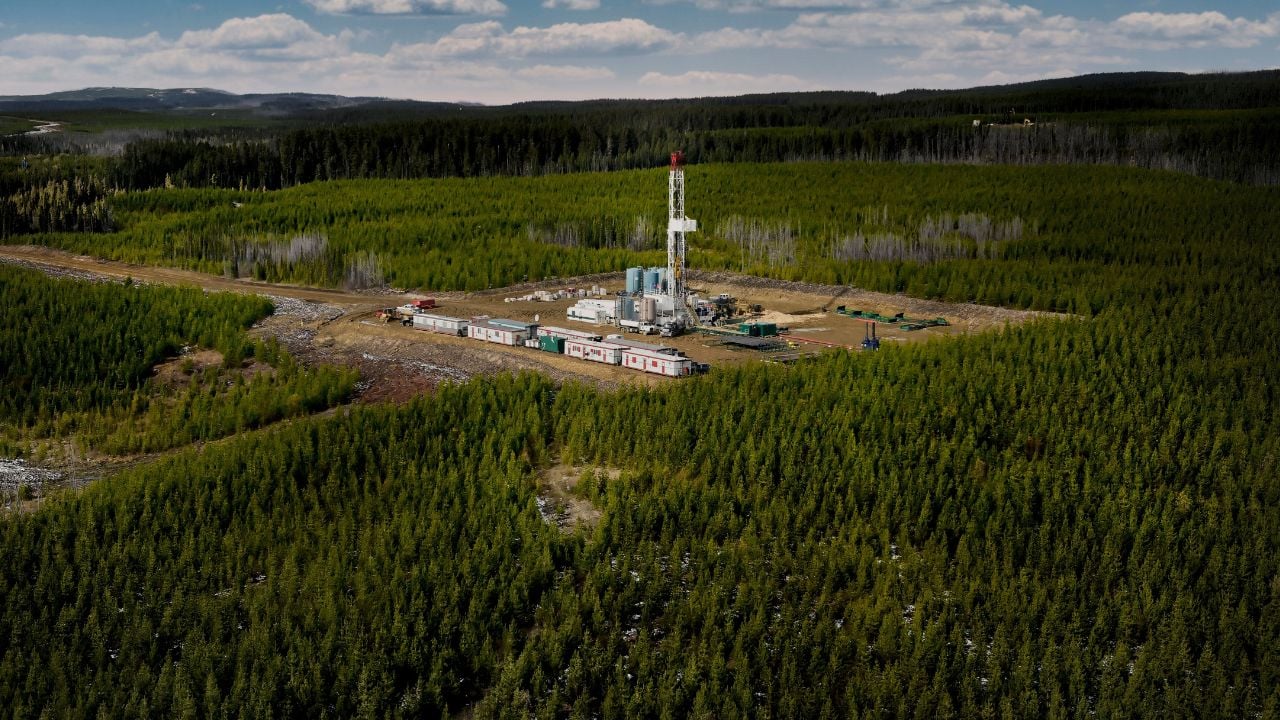
A decades-old deed can split West Virginia’s mineral rights away from the surface above them.
One estate covers the ground. The other covers whatever sits below it. From that point on, each half passes down its own family line.
Inherit the family farm. The surface might be all that legally passes to you.
Not what’s underneath it.
Even when a family keeps both halves together, the mineral estate outranks the surface under West Virginia law.
More than 117,000 wells already appear in the state’s records, drilled or proposed, which is a lot of land where that split already matters.
The state’s Supreme Court of Appeals ruled in 2019 that a mineral owner can use the surface however is reasonable and necessary to reach the minerals underneath it, without asking the surface owner first.
It has to be reasonable, not just convenient.
That same ruling drew one hard line: A mineral owner can’t use one family’s surface to reach the gas under the neighbor’s tract instead.
2. Outvoted by Other Owners
Cousins, siblings, and half-remembered relatives often end up sharing a single West Virginia mineral interest once a tract passes through a couple of generations without anyone formally dividing it up.
Shared ownership like that used to mean every single owner had to sign before a driller could touch the tract.
That’s no longer true, thanks to the state’s Cotenancy Modernization and Majority Protection Act.
Once owners holding at least three-fourths of the mineral interest sign a lease, the law treats the rest of the family as consenting too, on similar terms.
Your name never has to appear on anything.
The same law lets the operator deduct post-production costs, things like gathering and compression, from what a nonconsenting owner’s share brings in.
So the check that eventually shows up can run lower than the lease’s printed royalty rate suggests.
What West Virginia’s Three-Fourths Rule Counts
West Virginia’s three-fourths threshold counts the mineral interest itself, measured by acreage, not the number of people who own a piece of it.
Ten cousins can inherit that same interest in wildly unequal shares, with some holding far more acreage than others depending on how earlier generations split it up.
Two cousins who together control enough of that acreage to clear 75% can outvote the rest, even though the other eight are a numerical majority of the people who own it.
3. Court Signatures for Missing Heirs
An heir nobody can find doesn’t stop West Virginia’s mineral-rights process from moving forward.
West Virginia law spells out the search first: A review of county records, a search near the owner’s last known address, and a check with other known owners in the same tract.
If all of that still turns up nothing, an operator can petition a circuit court to declare that person an unknown or unlocatable interest owner.
The court then appoints a special commissioner to negotiate a lease on that owner’s behalf.
You never get a hearing.
Nobody has to track you down at your actual address for any of this to happen.
Royalties earmarked for that missing owner sit with the State Treasurer for seven years.
Turn up before then. The money is still yours to claim.
Stay missing past that window. A surface owner can then petition a court to settle ownership of the interest for good.
4. A Separate Tax Bill
Severed oil and gas interests get their own property tax bill in West Virginia, separate from the surface and mailed nowhere near the house.
That bill still comes due.
Stay current on the home’s taxes for decades. The mineral interest underneath it can still fall delinquent without anyone at that address noticing.
County sheriffs run an annual delinquent tax sale on unpaid property, mineral interests included.
An interest that never sold a drop of gas can still land on that list.
Heirs who moved away years ago, or who never knew the tract existed, often miss the notice entirely.
By the time a relative checks, someone else may already hold the tax deed.
5. No Expiration for Unused Rights
It’s tempting to assume a West Virginia mineral interest that’s sat untouched for generations has lapsed, expired, or folded back into the surface by now.
It usually hasn’t.
Lawmakers have introduced a dormant mineral act more than once, the kind of law that would let old, unused mineral interests revert to the surface owner after enough years of nothing happening.
None of those bills has passed.
So a severed interest a great-grandparent carved out a century ago can still legally belong to whoever inherited that paperwork, taxes and all, no matter how long it sat idle.
Proving it was abandoned takes evidence the owner meant to give it up.
Silence and time alone don’t count.
6. The 2022 Unitization Law
A 2022 unitization law lets a West Virginia operator pull an heir’s mineral interest into a horizontal drilling unit without ever getting that heir’s consent.
No lease is required.
Once a company controls enough of the surrounding acreage, it can ask the state’s Oil and Gas Conservation Commission for a unit order covering up to 640 acres.
The operator can fold your family’s slice in along with everyone else’s.
The law still gives owners who never signed a lease choices for how they’re paid.
But an owner who chooses to help fund the well instead of leasing can face a 200% penalty on that share of the costs before a single royalty check arrives.
Reading the notice closely matters because development doesn’t wait for a reply.
7. No Forced Sale by One Heir
Shared land normally splits with a courthouse sale when heirs can’t agree, but a West Virginia mineral interest doesn’t always follow that same path.
Normally, one co-owner of shared property can sue for partition and force a sale, splitting the proceeds among everyone.
A single West Virginia case shows how a mineral interest can complicate that.
In Bowyer v. Wyckoff, decided in 2017, the West Virginia Supreme Court of Appeals upheld a lower court’s refusal to force the sale of co-owned land that included mineral interests.
The ruling rested on ordinary partition law that applies to any co-owned property, not a rule written just for minerals.
The heir asking for a sale hadn’t met the state’s usual three-part test for forcing one instead of dividing the property.
The lower court had also reasoned, separately, that a forced sale would cost the other owners their future royalty value.
The Supreme Court didn’t have to rule on that reasoning to decide the case, but legal commentators say it could make judges more reluctant to force a sale of land carrying mineral value.
So a sibling who wants out can’t assume a shared mineral interest will partition as easily as a house does.
Families tend to settle inherited-mineral disagreements at the negotiating table instead, whether anyone wanted it that way or not.
Psst! How much do you know about West Virginia’s mineral and oil history? Take our quiz and see how many you can get right.
Quiz
West Virginia Land IQ
Answer these questions on West Virginia’s land, oil, and mining history. We bet you can’t get them all right. Prove us wrong?
The 1921 Battle of Blair Mountain, one of the largest labor uprisings in U.S. history, was fought mainly over control of which industry?
8. County Clerks and Splintered Inheritance
A West Virginia mineral interest can end up splintered among dozens of distant cousins who don't even know it exists.
Tracing how it got that way starts with whichever county clerk's office recorded the original severance deed, sometimes more than a century ago.
No shortcuts exist.
Every one of the state's 55 counties keeps its own deed books, will books, and probate files.
Nothing links those records into one searchable statewide system.
A family whose land passed through three or four generations without a formal probate every time is the classic way that split happens.
Tracing that chain of title, deed by deed and will by will, is often the only way to prove who owns what.
Miss one broken link in that chain. Collecting a royalty check, or selling the interest at all, can stall out for years.
9 West Virginia Habits Nobody Realizes Are a West Virginia Thing Until They Move

Many West Virginia lunch boxes have carried the same thing since 1927: a pepperoni roll, wrapped in wax paper, no fork required.
Cross the state line, and the words "pepperoni roll" draw a blank look instead of a nod.
9 West Virginia Habits Nobody Realizes Are a West Virginia Thing Until They Move
5 West Virginia Laws so Bizarre You'll Think They're Jokes

West Virginia's old laws still sit on the books, and some of them sound like a joke the Legislature forgot to finish.
Many aren't enforced anymore, but they're a strange little window into what once worried lawmakers enough to write it down.
