
9 “American” Foods That Aren’t American at All, Confusing Pennsylvanians

Intro Option 1:
Fire up the grill this weekend and you probably think you’re cooking something all-American.
The truth hides a passport in half the dishes on your plate.
Ask around at a Pennsylvania cookout, and most folks guess wrong on more than a few of these.
These are the foods you swear are American that came from somewhere else entirely.
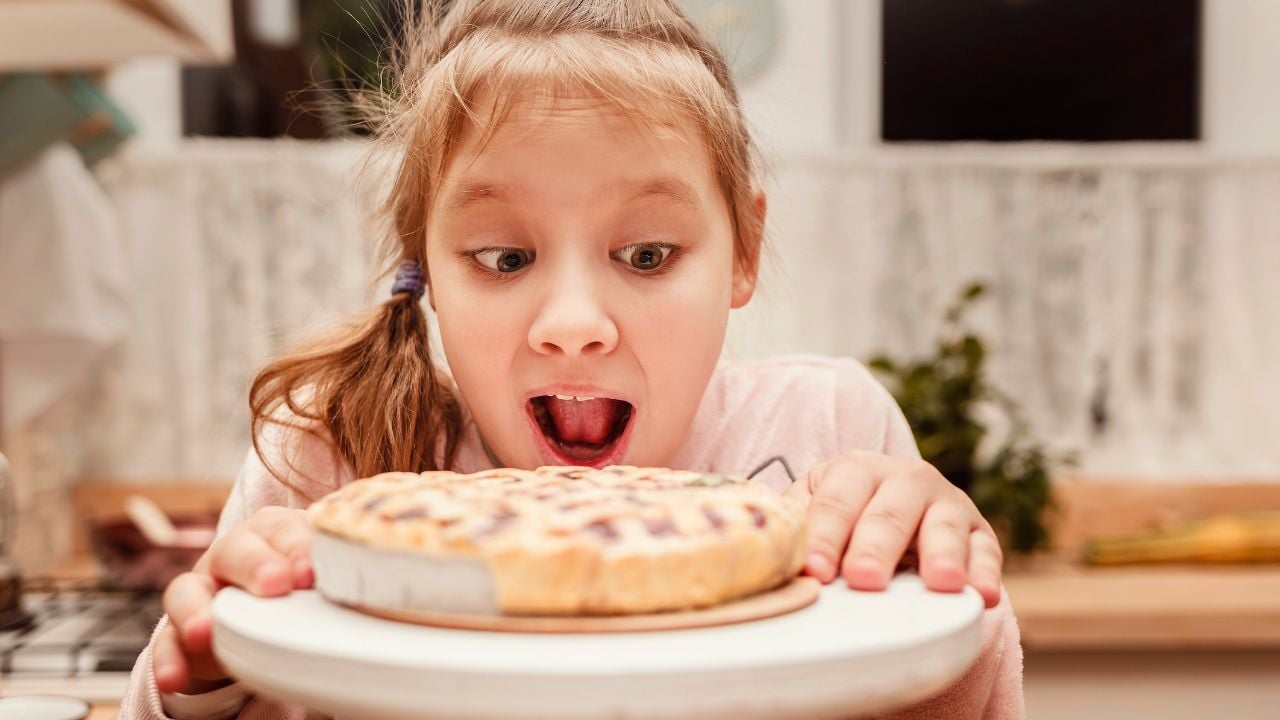
Apple Pie
Nothing sounds more homegrown than apple pie, and yet the dessert crossed an ocean to get here.
The oldest known recipe shows up in an English cookbook from around 1390, centuries before anyone thought to plant an orchard in the colonies.
That early version had no sugar and a crust so tough you weren’t meant to eat it.
The Dutch and the English both baked their own apple pies long before the Pilgrims packed a trunk.
The phrase “as American as apple pie” only stuck around World War II, when the dessert became shorthand for home.
So the most American saying in the book is built on an English recipe.
Ketchup
You squeeze it on everything, and its story starts about as far from a burger stand as a food can start.
Ketchup traces back to a fermented fish sauce from coastal China called kê-tsiap.
No tomatoes.
The early stuff was salted fish and spices, closer to a briny paste than anything you’d want on a fry.
British traders brought the idea home and tried to copy it with mushrooms, walnuts, and oysters for the better part of a century.
Tomatoes didn’t join the party until an American recipe in 1812, and even that one skipped the vinegar and sugar you know today.
The Hamburger
The hamburger wears its birthplace right there in the name, and it isn’t a town in the Midwest.
The patty descends from Hamburg steak, a seasoned round of ground beef popular in Hamburg, Germany.
German immigrants carried the dish across the Atlantic in the 1800s, patty and all.
What Americans added was the bun, and cooks still argue over who slapped the two together first.
Texas, Wisconsin, and Connecticut all plant a flag on that claim.
The meat, though, came off a German menu long before anybody flipped one at a drive-in.
The Hot Dog
Reach for a hot dog at a ballgame, and you’re eating a sausage with a very old German passport.
The frankfurter takes its name from Frankfurt, where a version of the sausage goes back to the 13th century.
Vienna throws its hat in too, which is why the thin ones still get called wieners.
German immigrants sold the sausages from carts across American cities in the 1800s.
The bun and the name “hot dog” grew up here, cracked into life as a joke about the long, thin dachshund.
The sausage itself, though, was turning on a spit in Europe centuries before Coney Island existed.
French Fries
The name says French, the Belgians say otherwise, and either way nobody’s pointing at the United States.
Belgium claims villagers in the Meuse Valley were frying potato strips as far back as the 1600s, when a frozen river left them no fish to cook.
France counters that fried potatoes became a Paris street food in the 1800s.
The two countries have squabbled over it for generations, and Belgium even asked the United Nations to name fries part of its heritage.
American soldiers picked up the taste overseas and brought it home, calling them French because the folks serving them spoke French.
So your fast-food side of fries owes its whole existence to a fight between two European neighbors.
Psst! How much do you know about where your favorite foods began? Take our quiz and see if you can score 100%.
Quiz
Food Origins Pop Quiz
Answer these questions about where famous foods began. We bet at least three of them trip you up.
Caesar Salad
Caesar salad sounds like a Roman emperor's idea, and the real story runs through a border town instead.
An Italian immigrant named Caesar Cardini tossed the first one in Tijuana, Mexico, on the Fourth of July in 1924.
His restaurant ran across the border to serve American customers dodging Prohibition.
A holiday rush cleaned out his kitchen, so he threw together what was left: romaine, oil, egg, Parmesan, and Worcestershire.
He tossed it right at the table so the thin pantry felt like a performance.
The original spot on Avenida Revolución still serves that salad a century later.
Donuts
Grab a donut with your coffee, and you're eating a treat the Dutch fried up first.
Dutch settlers in New Amsterdam made little fried cakes called olykoeks, which means "oil cakes."
They were balls of sweet dough stuffed with fruit or nuts and dropped in hot pork fat.
Writer Washington Irving even mentioned "dough-nuts" back in 1809.
The famous hole came later, when a New England ship captain reportedly punched one through the middle so the center would cook.
The dough that made it possible, though, came off a boat from the Netherlands.
Fortune Cookies
You crack open a fortune cookie at the end of a Chinese meal, and the cookie has nothing to do with China.
The little folded treat traces back to Japanese bakers in California in the early 1900s.
Their cracker cousins came from a much older Japanese recipe, flavored with sesame and miso rather than vanilla.
A tea garden in San Francisco is often named as the first place to serve the modern version.
So how did they end up on the Chinese takeout counter?
During World War II, the government forced Japanese American bakeries to close, and Chinese American shops picked up the trade.
Meatloaf
Meatloaf feels like something straight off a 1950s dinner table, and it's older than the country by more than a thousand years.
A version of chopped, bound meat shows up in a Roman cookbook from around the 4th century.
The idea spread across Europe, turning into a potato-topped loaf in Sweden and an egg-stuffed one in Germany.
German settlers carried that habit to America, where it grew close cousins like scrapple.
The meat grinder and the Great Depression turned it into the smooth, stretch-the-budget loaf you know.
The Roman recipe leaned on brains and organ meat, so be glad the version on your plate got a few upgrades along the way.
Next time someone calls it good old-fashioned American cooking, you'll know the loaf started in a kitchen that spoke Latin.
10 Things You Can't Say About Pennsylvania Around a Local

Order a cheesesteak with Swiss in Philadelphia, and watch how fast the line stops talking.
Pennsylvania runs on unwritten rules, and out-of-staters break them within an hour of crossing the line.
10 Things You Can't Say About Pennsylvania Around a Local
8 Pennsylvania Summer Trips That Disappoint
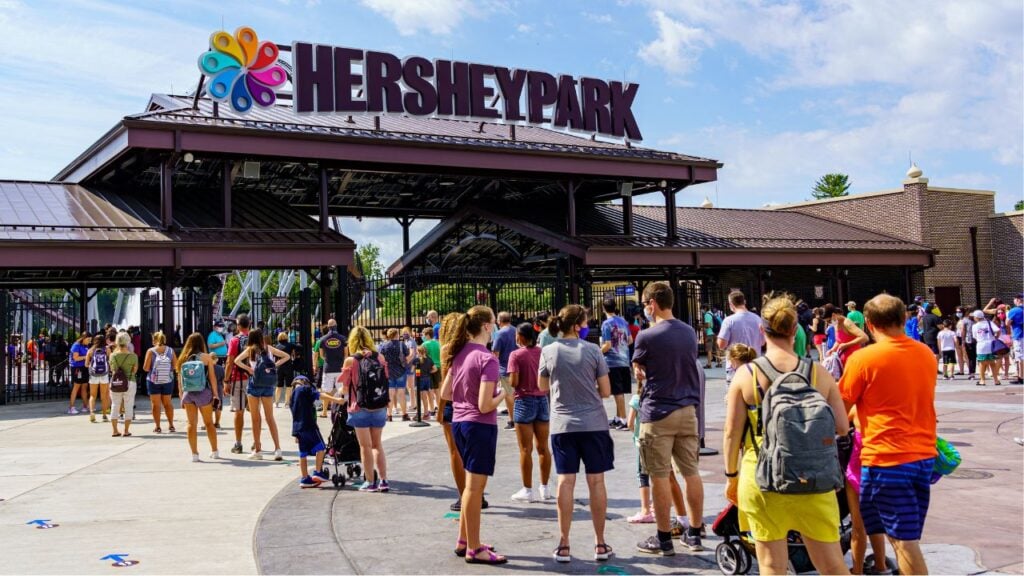
The car door handle is hot enough to brand you, and the sign up ahead says the wait runs 90 minutes.
Every Pennsylvanian has lived some version of that afternoon.
