
9 Florida Wildlife Surprises That Send Newcomers Running Inside

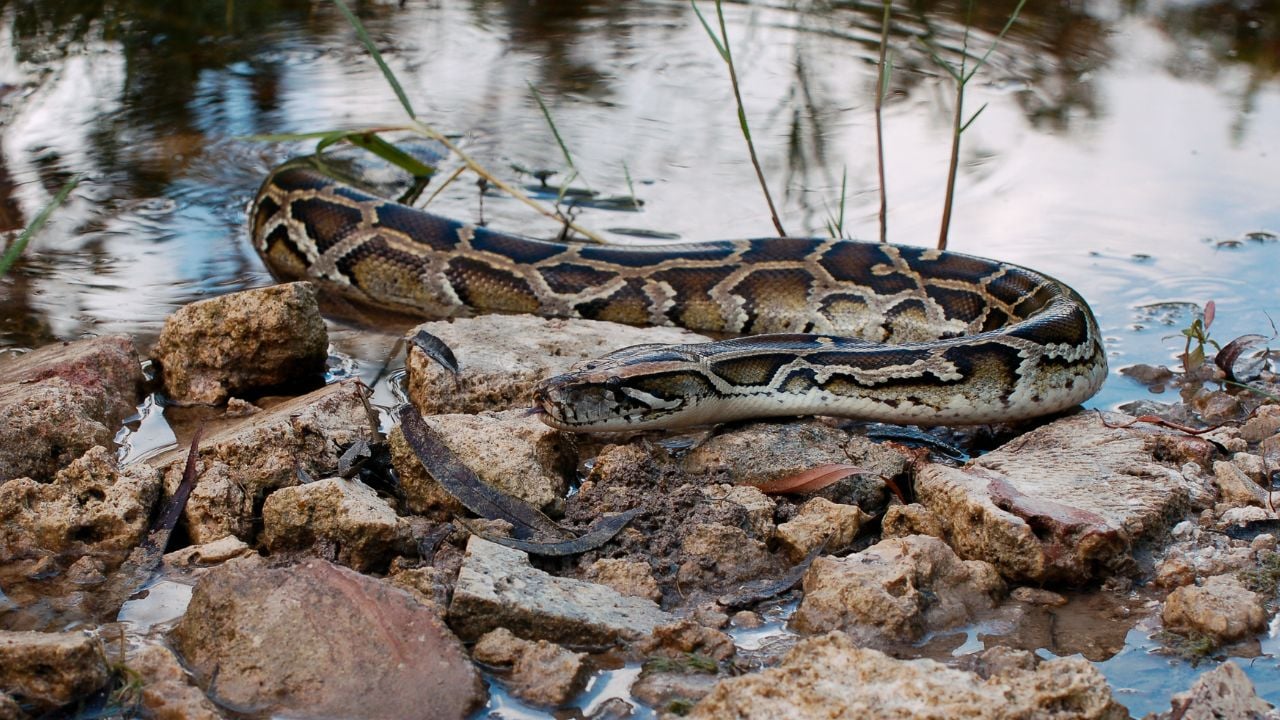
Florida python hunters set a new state record in 2023, pulling a 19-foot Burmese python out of water that backs right up to South Florida neighborhoods.
These are the Florida wildlife moments that send newcomers bolting for the front door.
Note: This is general information about Florida wildlife encounters, not safety or veterinary advice. Guidance on handling wildlife can change, so confirm current guidelines with the Florida Fish and Wildlife Conservation Commission.
1. Alligators in the Pool
Florida’s alligators don’t ask before turning a backyard pool into their own pond.
The state is home to an estimated 1.3 million alligators, and the Florida Fish and Wildlife Conservation Commission’s (FWC) Statewide Nuisance Alligator Program fields close to 15,000 calls a year about gators showing up somewhere built for people, not reptiles, pools included.
The Statewide Nuisance Alligator Program treats alligators as a routine call, not an emergency.
Only a licensed trapper can legally remove the animal, so the fastest fix is the hotline, not a pool skimmer.
2. Pythons Longer Than a Car
Burmese pythons in Florida can grow longer than a compact car, and the record proves it.
In 2023, researchers with the Conservancy of Southwest Florida measured the longest Burmese python ever documented in the state at 19 feet.
Nobody’s wrestling that alone.
These snakes aren’t staying deep in the Everglades, either.
Miami-Dade crews have pulled pythons from a shed, a parked tractor-trailer, and a homeowner’s yard within the same week.
Researchers working with the U.S. Geological Survey (USGS) track the snakes using radio-tagged “scout” males that lead biologists straight to breeding females every spring.
3. Black Bears on the Porch
Florida’s black bears treat an unsecured trash can like a standing invitation.
FWC logged 101,956 bear-related calls statewide between 2006 and 2025, and 28% of them involved a bear caught in someone’s garbage.
That’s not a rare bear.
Florida’s bear population runs around 4,050 animals, spread across a state that keeps building subdivisions into their range.
A bear on the porch at dusk is common enough that FWC’s own advice is to keep the can in the garage until pickup morning, not set it out the night before.
4. Cane Toads That Poison Pets
Cane toads in Florida carry enough toxin to kill a curious dog.
These invasive toads grow three to six inches long, with some individuals reaching eight or nine inches, per the University of Florida (UF) Institute of Food and Agricultural Sciences (IFAS).
The milky bufotoxin sits in the glands behind their eyes.
A bite can trigger seizures or cardiac arrest in a pet within minutes.
Not a nibble.
One bite is enough.
A newcomer who flips on the porch light some night finds a toad squatting under it the size of a fist, and yanks the dog back through the door before it gets close.
They turn up in yards, canals, and pool decks across central and south Florida, usually after dark, right when a dog goes out for a last walk of the night.
What to Do if a Florida Cane Toad Bites Your Dog
A Florida cane toad’s poison spreads fast once a dog’s mouth touches it.
Rinse the dog’s mouth right away, pointing the hose from the back teeth forward and out, for about 15 minutes so the dog doesn’t swallow the toxin.
Watch for drooling, brick-red gums, or wobbly movement.
Call a vet immediately, even if the rinse seems to help.
5. Spiders With Dinner-Plate Webs
Florida’s golden silk orb-weavers, the spiders locals call banana spiders, build webs wide enough to catch a newcomer’s whole face.
A female’s body alone can run an inch and a half long, and University of Florida entomologists have documented webs stretching 6½ feet across between two trees.
A newcomer who walks face-first into one of these webs at eye level on a porch at 7 a.m. doesn’t stop to check whether the spider is dangerous, they’re already back through the door.
Instinct wins.
The bite is harmless to people, but that fact arrives well after the flinch.
The same web stays anchored in one spot for weeks, patched instead of rebuilt, so a newcomer who clears one off the porch often finds it rebuilt by the next morning.
6. Iguanas Raining From Trees
Florida’s iguanas don’t handle a cold snap well, and neither does anyone standing under a tree when the temperature drops.
Once temperatures fall into the 40s, these cold-blooded lizards lose muscle control and drop straight out of the branches.
The Florida Fish and Wildlife Conservation Commission issues the same reminder every winter: They aren’t dead, just frozen stiff.
A two-foot iguana thudding onto the driveway a few feet from someone unloading groceries is enough to send them straight back through the garage door, cold snap or not.
Not a joke advisory.
An actual advisory, from wildlife officials.
They wake up and scurry off once the sun climbs, so officials tell residents to leave a stunned iguana exactly where it landed.
7. Wild Hogs Rooting up the Yard
Wild hogs in Florida don’t wait for an empty yard, they show up at dusk while the people who live there are still outside.
The state’s feral hog population tops 500,000, according to UF/IFAS, and the animals are established in every Florida county, rooting through soil with their snouts to hunt for grubs and roots.
A newcomer taking out the trash at dusk rounds the corner of the garage into a sounder of hogs working the flower bed, and backs straight back inside without finishing the job.
Trash can wait.
A longtime Floridian barely looks up before latching the gate and going back to what they were doing.
Fencing keeps hogs out of a yard, and landowners can legally trap, shoot, or hunt them year-round with no license required.
8. Cockroaches That Glide at You
Florida’s American cockroaches, better known statewide as palmetto bugs, don’t stay on the ground.
They grow up to 2 inches long, per the University of Florida (UF) Institute of Food and Agricultural Sciences (IFAS), and they glide short distances when startled, usually launching from someplace high toward someplace lower, like a porch light toward a face.
A newcomer screams.
A native grabs a shoe.
They favor warm, damp spots, so a Florida garage or a porch after a summer rain counts as prime real estate.
9. A Panther Crossing the Yard
Florida panthers rarely show themselves, which makes a doorbell-camera sighting even harder to forget.
Doorbell cameras from Naples to Polk County have caught panthers walking past the front door at night, and FWC’s own count puts the entire adult population at just 120 to 230 cats statewide.
That’s the whole state’s worth.
A homeowner in Naples watched her porch footage twice before she believed what had walked past, then checked that the front door was locked before she watched it a third time.
The cat is usually a male looking for new territory rather than trouble, and it’s gone again within minutes.
FWC wants a photo when a panther walks through, not a panicked call, and every doorbell clip submitted to the agency’s sightings portal helps track the population.
What Wildlife Officials Want Newcomers to Know
Florida wildlife officials don’t want new residents living in fear of every rustle in the yard.
FWC data shows Florida averages about eight unprovoked alligator bites a year serious enough to need medical care, out of a population north of a million animals.
The bigger risk isn’t the alligator. Feeding a gator is.
Florida’s wildlife carries more official history and biology than newcomers expect.
Can you spot the lie?
Intentionally feeding a wild alligator is a crime under Florida law, with penalties that increase from a fine on a first offense to a felony charge on a fourth.
FWC recommends keeping 30 to 60 feet between yourself and any gator and securing trash before dusk in bear country. With roughly eight bites a year against a population past a million, the numbers say the animal is the one that ends up moving along.
10 Things Only People Who Grew Up in Florida Understand
A kid in Ocala freezes mid-cannonball the second the pool horn blows, and nobody has to explain why.
These are the everyday habits a Florida childhood bakes in for good.
10 Things Only People Who Grew Up in Florida Understand
9 Things Florida Beachgoers Do That Instantly Mark Them as Locals, Not Tourists
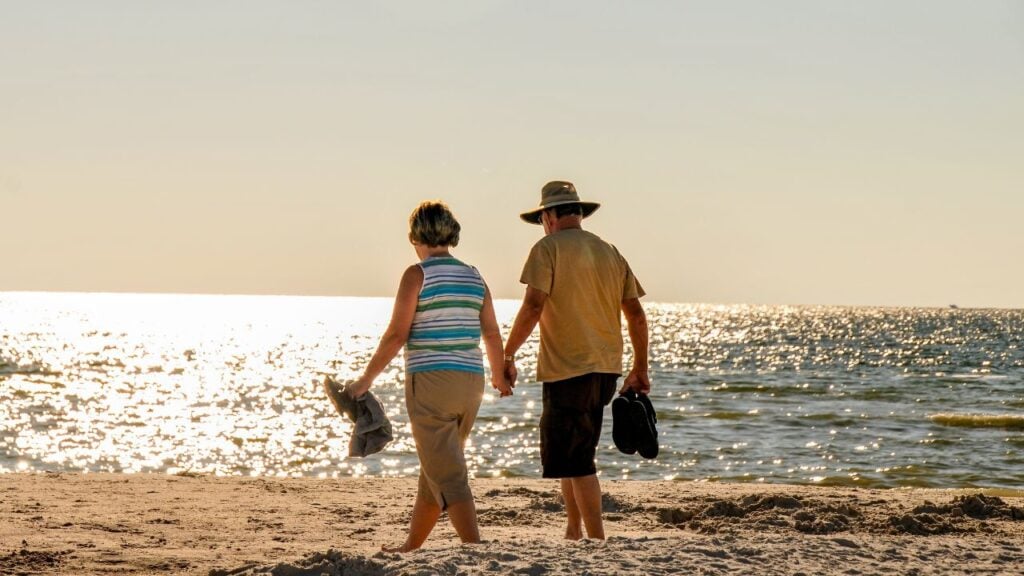
A regular at Fort Lauderdale Beach walks straight to one patch of sand and sets up without circling it once.
A few feet away, a tourist is still pacing the same stretch of sand, phone out, hunting for a spot.
9 Things Florida Beachgoers Do That Instantly Mark Them as Locals, Not Tourists
