
9 Foods South Carolinians Call Something Different From Other Americans

Pinder is South Carolina’s word for a peanut, from a Bantu root, while goober, the nickname heard elsewhere in the South, traces to a different Bantu word.
Two names, two separate paths into English.
These are the foods South Carolinians call something different from other Americans.
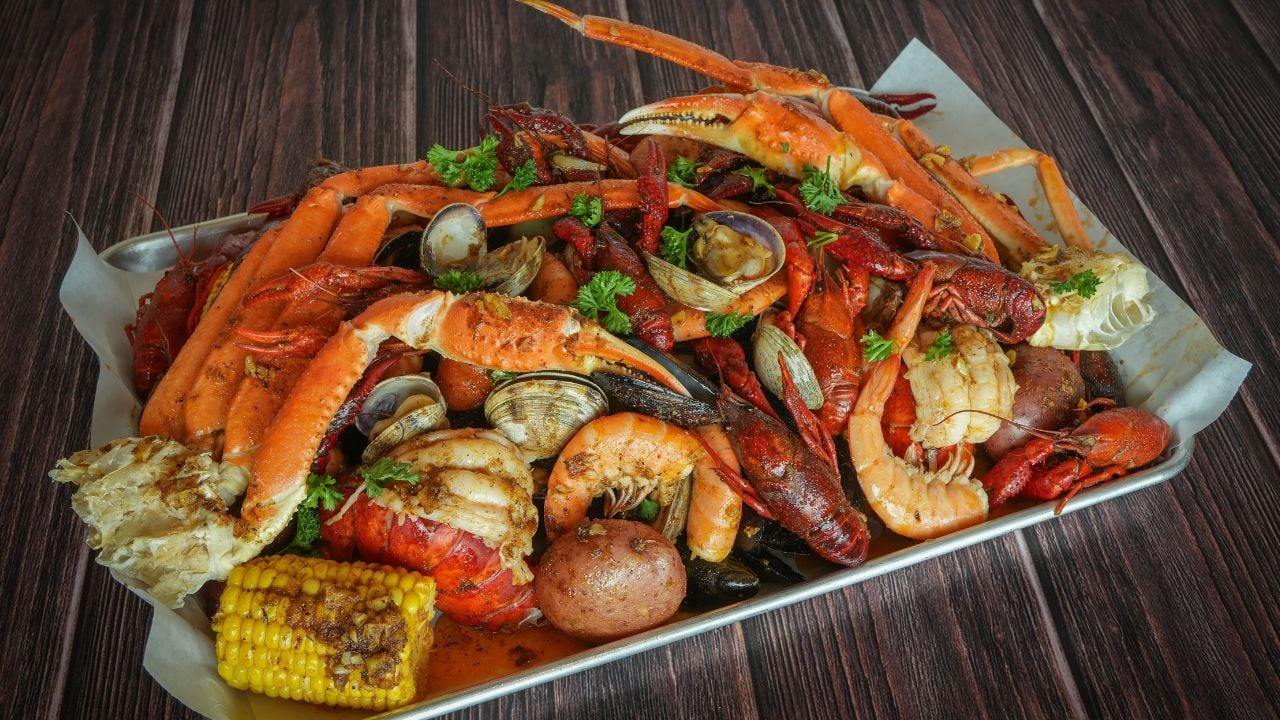
1. Frogmore Stew
Frogmore Stew takes South Carolina’s name for a Lowcountry seafood boil from Frogmore, a small fishing community on St. Helena Island near Beaufort.
No frogs go anywhere near the pot.
What’s in it is shrimp, corn, potatoes, and sausage, all boiled together in one pot.
Even South Carolina’s tourism office admits the name causes mix-ups, noting the same dish also goes by Lowcountry boil or Beaufort stew within the region.
Ask for it by the name Frogmore outside Beaufort County, and you’ll find many other Americans know the same dish only as a Lowcountry boil or a Beaufort stew.
2. Butter Beans
A cook in Ohio or Oregon reaches for a lima bean, the exact bean South Carolina calls a butter bean instead.
South Carolina serves it at produce stands, church potlucks, and Sunday dinner tables under that name.
Merriam-Webster tags the word chiefly Southern US and Midland US, a label that traces back to at least 1920.
It’s the same bean, just a different counter.
3. Pinder
Some South Carolina growers and roadside stands still sell peanuts as pinders today.
Merriam-Webster marks the word chiefly South.
Many Americans have never heard that name for a peanut.
You’ll spot it on hand-painted stand signs long before you’ll hear it inside a grocery store.
Where South Carolina’s Word “Pinder” Comes From
South Carolina didn’t invent the word pinder.
It comes from mpinda, a Kongo-language word for the same nut, carried into the Carolina Lowcountry by enslaved Africans.
Goober, the peanut nickname heard elsewhere in the South, traces to a different Bantu word instead, the Kimbundu nguba, so the two names arrived in English along separate paths.
4. Light Bread
South Carolina still calls plain white sandwich bread light bread, the loaf that sits next to the biscuits and cornbread.
Not everywhere agrees.
Merriam-Webster marks the term chiefly Southern and Midland, dating it back to at least 1821.
Ask for white bread in Ohio, and you’ll get the exact same loaf.
Grocery aisles across the Upstate still label the same loaf light bread.
5. Benne
Merriam-Webster traces benne, South Carolina’s Lowcountry word for sesame seeds, to a Malinke root carried from West Africa.
South Carolina’s Lowcountry cooks still toast the seed into Charleston’s famous wafers today.
If you’ve never heard the word benne, you’ve almost certainly eaten sesame anyway.
Psst! How much do you know about South Carolina’s food history? Tap through and see how many you get right.
6. Cooter
South Carolina still calls a freshwater turtle a cooter.
Wildlife researchers use the same name today for two species that live in the state’s rivers, the river cooter and the Florida cooter.
Merriam-Webster marks the word chiefly Southern US, tracing it to kuta, a Bambara and Malinke word for turtle.
Many other Americans just call the same animal a turtle, no matter which species crosses the road ahead of them.
Cooter soup was once common enough in the Lowcountry to turn up in regional cookbooks, though it’s a rare sight on menus now.
7. Bream
A bluegill goes on the books in South Carolina as bream, and the state makes it official.
South Carolina’s fishing regulations file the state’s freshwater game fish under that single word, grouping bluegill with five other sunfish.
Ask an angler almost anywhere outside the Carolinas, and you’ll hear bluegill instead.
Bait shops from Myrtle Beach to Aiken stock crickets and worms under the same sign, ready for a bream bed.
8. Purloo
Purloo shows up on Lowcountry tables across South Carolina as a well-seasoned rice dish, closely related to the rice that goes into Hoppin’ John.
Researchers with the South Carolina Sea Grant Consortium describe purloo as the Gullah pronunciation of pilau.
Merriam-Webster traces pilau itself to Turkish and Persian roots, centuries before the dish ever reached the Carolina coast.
Many other Americans just call the same style of dish a pilaf.
Beaufort and Georgetown cooks each swear their version is the true purloo.
9. Streak o’ Lean
Streak o’ lean is what South Carolina cooks ask for at the meat counter, a salt-cured strip of pork with streaks of lean meat running through the fat.
Many other Americans ask for the same cut under its national name, salt pork, which is the exact term the cookbook The Glory of Southern Cooking uses for it too.
If you’ve cooked Southern greens, you’ve probably used it without knowing the name.
A pot of collards or green beans in a South Carolina kitchen usually starts with a strip of it dropped straight into the pot for seasoning.
Ask for that same cut in a grocery store outside the South, and the label behind the counter almost always says salt pork instead.
The Official Beverage Beyond Sweet Tea
South Carolina’s official drink isn’t simply sweet tea, at least not by the letter of the law.
The 1995 statute names “South Carolina grown tea” as the state’s official hospitality beverage, naming an actual product instead of a way of preparing it.
That product comes from the Charleston Tea Garden on Wadmalaw Island, which calls itself North America’s oldest working tea garden.
Order sweet tea anywhere else in the country, and you’ll get the same drink South Carolinians grew up on, just not the drink the law names.
A gallon jug of plain sweet tea from a South Carolina grocery store almost never carries a single Wadmalaw Island leaf.
8 Backyard Chicken Rules South Carolina Neighbors Report Owners For
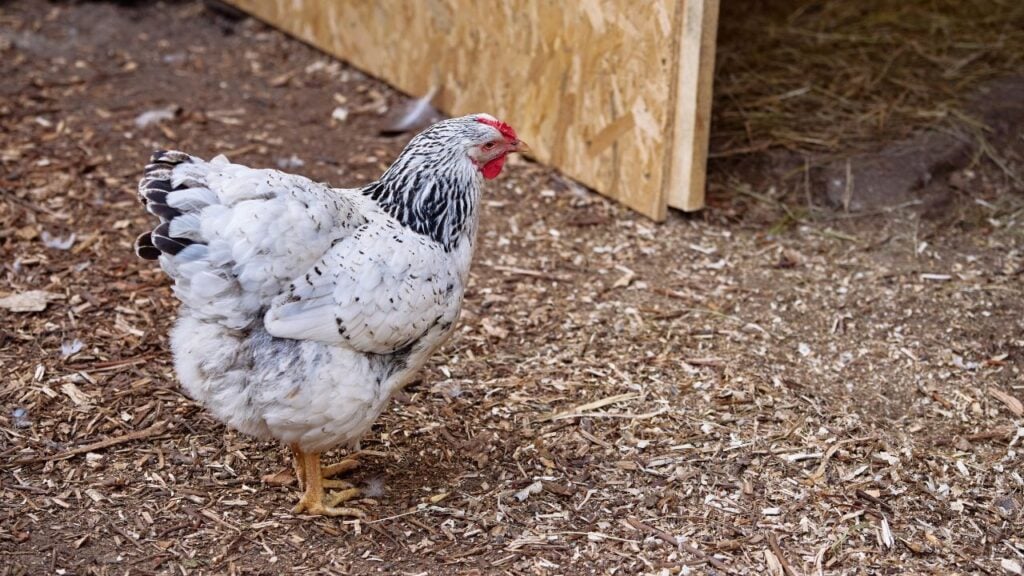
South Carolina has never passed a single statewide rule for keeping backyard chickens.
Every city fills in that blank a little differently, and one of those local rules usually gets a coop reported before the owner even knows.
8 Backyard Chicken Rules South Carolina Neighbors Report Owners For
8 Things South Carolinians Do That North Carolinians Will Never Understand
A 2016 Global Positioning System (GPS) survey found the border between North Carolina and South Carolina had drifted for more than two centuries.
Correcting it moved nineteen homes and a gas station into a different state overnight, and that mix-up is just the start of what leaves North Carolinians shaking their heads.
8 Things South Carolinians Do That North Carolinians Will Never Understand
