
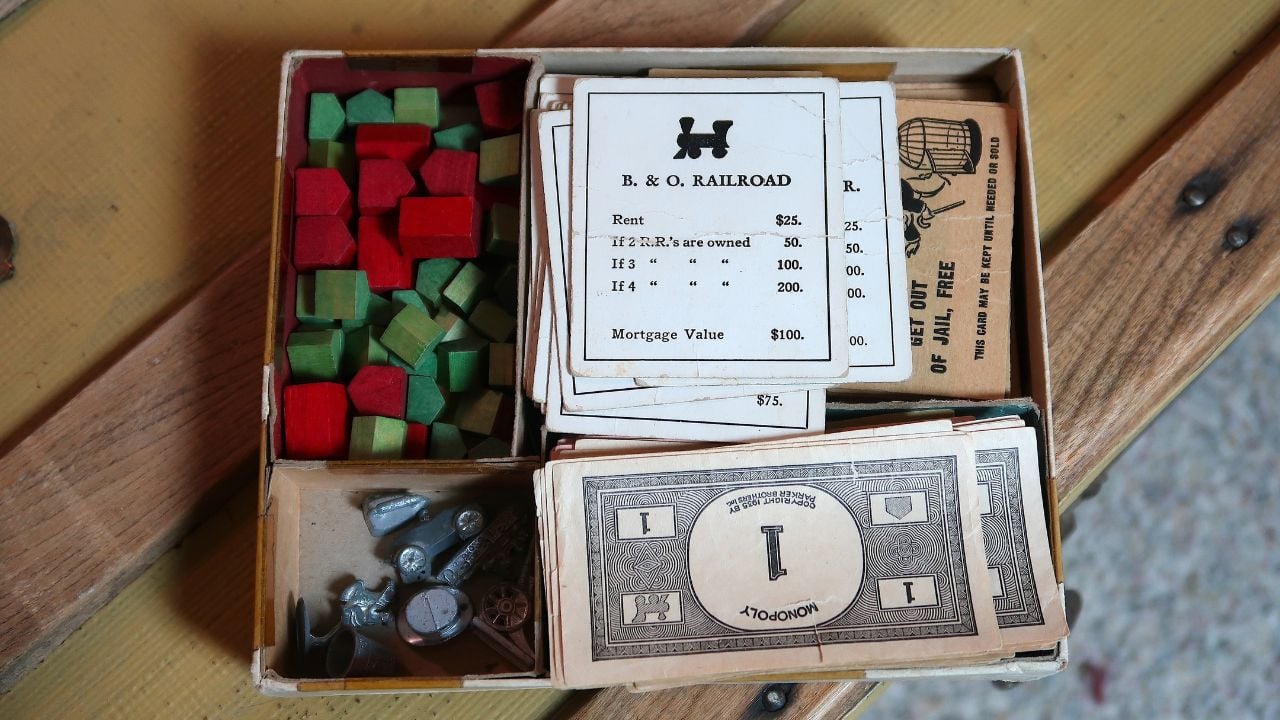
9 Heirlooms Maryland Families Fight Over More Than Money

An Allianz study found that dividing up a parent’s belongings causes more family conflict than dividing up the money ever does.
These are the heirlooms Maryland families often fight over more than money.
1. A Baltimore Album Quilt
A family’s Baltimore Album Quilt was never simple patchwork.
Made between 1845 and 1855, each square was individually designed and appliqued by hand, often signed.
The Maryland Center for History and Culture credits the style with carrying a trove of historical documentation inside the stitching.
A signature in thread.
A quilt like that rarely comes with a receipt, so when three siblings all remember it draped over the same grandmother’s bed, no appraisal settles who takes it home.
2. A Ward Brothers Duck Decoy
A Ward Brothers decoy started life as a hunting tool and ended up as a fine-art heirloom.
Stephen and Lemuel Ward carved canvasbacks and mallards from their shop in Crisfield.
A single 1932 canvasback pair of theirs sold at a 2021 Copley Fine Art auction for $107,500.
Six figures for a pair.
A Ward decoy that’s been sitting on a mantel for sixty years can turn out to be worth more than everything else in the room.
That number changes a family conversation fast.
3. A Preakness Winner’s Garland
A Preakness garland is built fresh every year, but a garland tied to a particular horse never loses its pull on a family.
Secretariat’s 1973 blanket of black-eyed susans stayed in owner Penny Chenery’s family archive for decades before it went to auction.
A single race-worn shoe of his had already sold for more than $35,000.
Flowers that outlasted the horse.
A family that bred, trained, or simply bet on a Pimlico winner often keeps a program, a ticket stub, or a photo from that day.
The fight over it is rarely about what it’s worth at auction.
Psst! Think you can spot the myth from the fact? Flip these cards and find out.
4. A Naval Academy Class Ring
A Naval Academy class ring is built to outlast the person who wore it.
The Academy calls its class ring one of its most iconic symbols.
Family members of deceased graduates have donated rings to a museum display built to honor them.
No two are identical.
Each ring is personalized to its graduate’s class and choices.
When a grandfather’s Annapolis ring surfaces after a death, more than one relative can feel like it was meant for them.
5. A Piece of B&O Railroad Memorabilia
An heirloom B&O Railroad watch or lantern once belonged to a working life, not a display case.
Baltimore’s B&O Railroad Museum holds more than 6,000 small railroading objects.
It calls its collection the oldest and most comprehensive American railroad archive anywhere.
A whole career, boxed up.
A conductor’s watch or a brakeman’s lantern that stayed in a family for three generations carries a work history that a museum donation would erase.
That’s exactly why some families won’t part with it.
6. A Set of Hand-Made Oyster Tongs
A pair of Eastern Shore oyster tongs is built to work, not to sit still.
The Messick family of Maryland’s Eastern Shore has shaped tong shafts from aged heart pine since 1859.
Watermen nicknamed the trade “widow sticks” for how demanding the 35-foot poles are to handle.
Older than the tongs.
A set that’s tonged oysters for fifty seasons carries a waterman’s whole working life in the wear on the handles.
No sibling who never worked the water can quite claim the same tie to it.
7. A Working Skipjack
A skipjack is Maryland’s official state boat, and a handful of Eastern Shore families still captain them the way their grandfathers did.
Wade Murphy III started working the water with his father at eighteen out of Tilghman Island.
His father had followed the identical path a generation earlier, learning the water from a Murphy before him.
Three generations, one deck.
A boat like that isn’t for sale.
When a captain retires without an obvious successor in the family, the argument over who takes the wheel gets personal fast.
8. A Biscuit Brake
A biscuit brake earned its keep in Eastern Shore family kitchens long before anyone called it an antique.
The hand-cranked rollers, mounted on wood or marble, pass beaten-biscuit dough through again and again.
That spares a baker the traditional method of pounding it by hand for twenty minutes straight.
Faster than an arm.
Salisbury University’s Nabb Research Center notes that many traditional Eastern Shore bakers still beat their dough by hand anyway.
A working brake that belonged to a particular grandmother still carries a particular kitchen memory nothing store-bought replaces.
Why a Beaten Biscuit Took Twenty Minutes of Beating
Maryland’s beaten biscuit gets its name from the dough itself, not the cook’s mood.
Without yeast or baking powder, the only way to work air into the dense dough was to strike it, fold it, and strike it again.
That stretch of beating could run twenty minutes or more.
That repeated beating is what created the biscuit’s signature layers and its dense, cracker-like snap.
A biscuit brake shortened that labor considerably, but the dough recipe underneath it never changed.
9. A Family Chesapeake Log Canoe
A Chesapeake Bay log canoe is a racing sailboat with a family tree attached.
The log canoe Magic has stayed in the same Maryland family since 1923, when Jon Clarke’s great-grandfather bought her for $100.
A member of that family has skippered her in every race since.
A century at the helm.
Magic has since won the Log Canoe Governor’s Cup more than a dozen times.
A trophy case like that is exactly the kind of thing no single heir can take home alone.
None of these nine heirlooms comes with a clean number attached to who deserves it.
That’s the whole point the Allianz researchers found: The fight was never about the appraisal.
9 Maryland Habits That Make No Sense Outside Maryland
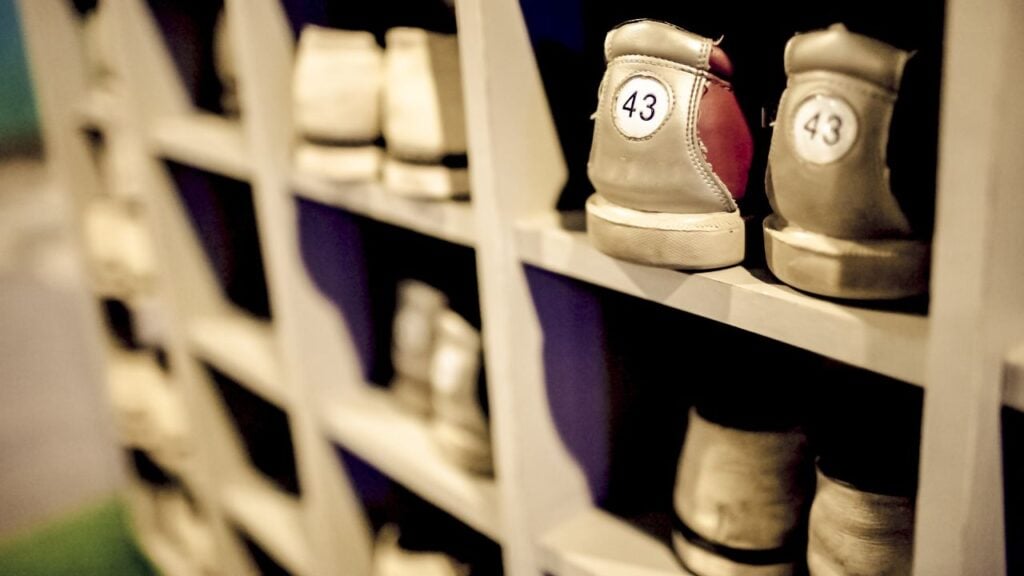
A Marylander crossing state lines carries habits that never register as unusual back home.
An order at a seafood counter or a reaction to bad traffic can give someone away faster than an accent ever does.
9 Maryland Habits That Make No Sense Outside Maryland
9 Maryland Foods Nobody Makes Right in Other Parts of the U.S.
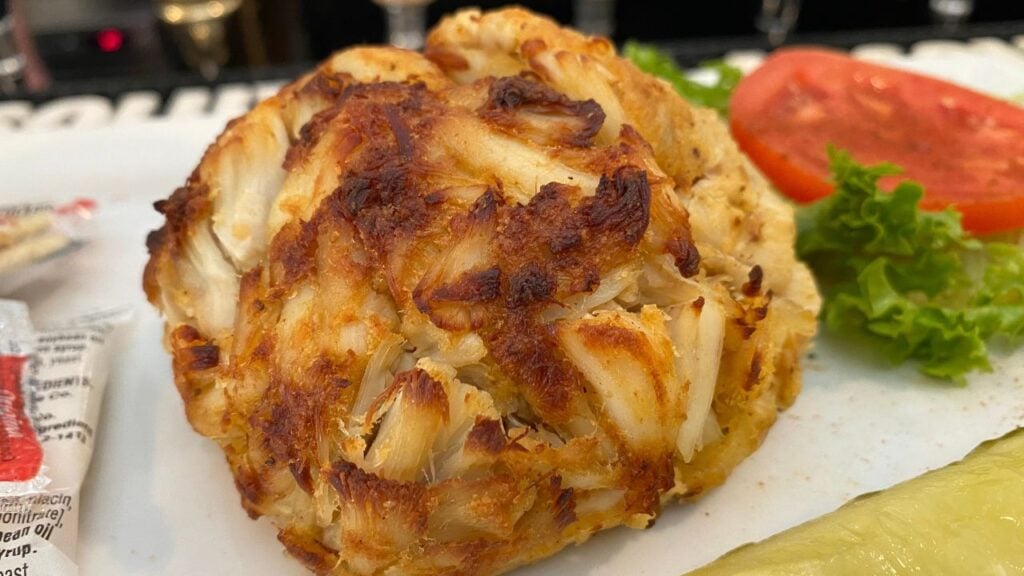
A Maryland kitchen treats certain dishes as sacred in ways out-of-staters rarely understand.
Get the seasoning ratio wrong on one of these, and a Marylander will know within a single bite.
9 Maryland Foods Nobody Makes Right in Other Parts of the U.S.
