
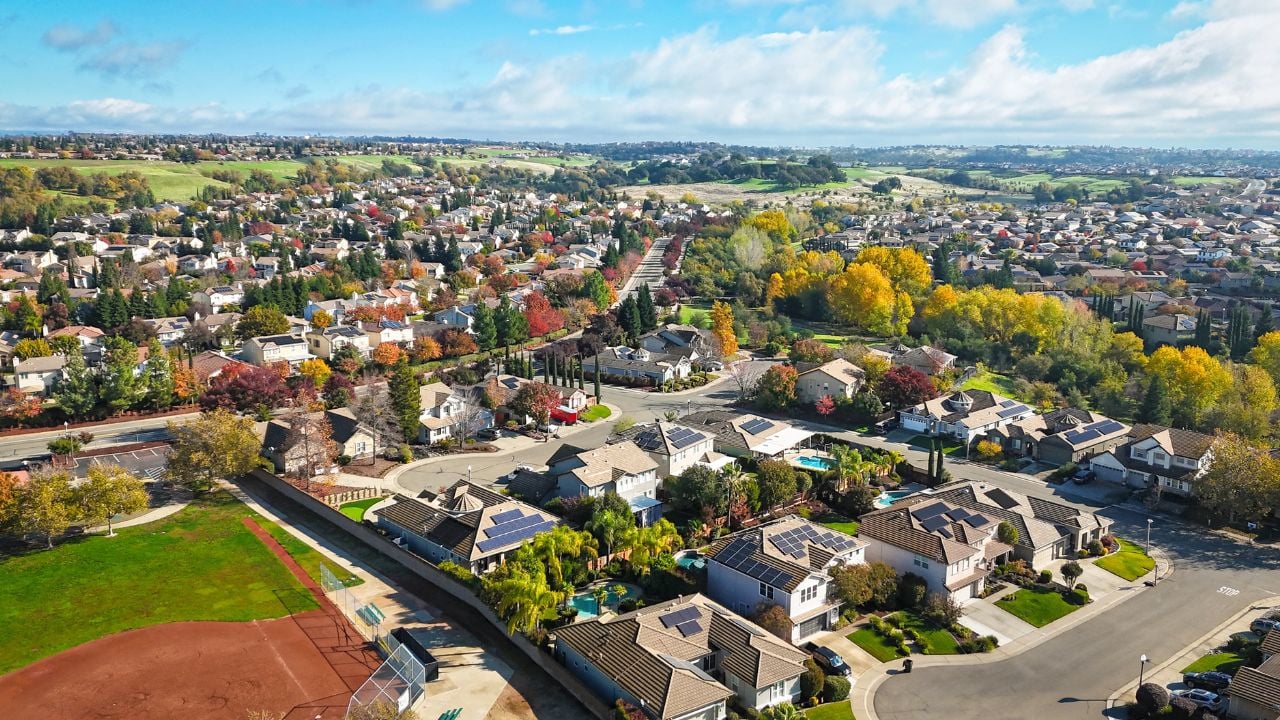
9 HOA Rules Pennsylvanians Can’t Believe Are Legal

You own your roof.
But you still might not get to put solar panels on it.
In a Pennsylvania planned community, your HOA board can turn down that solar panel request. There’s no state law to defend you.
That’s only the start of what an HOA can dictate about the house you paid for.
These are the HOA rules Pennsylvanians can’t believe are legal.
Note: This is general information, not legal advice. HOA powers and state rules are subject to change. Confirm the current details with your HOA or an attorney.
1. Take Your House Over Dues
Fall far enough behind on your homeowners association dues, and the board can move to take your house.
It happens.
Under Pennsylvania’s Uniform Planned Community Act, an unpaid assessment turns into a lien on your unit the moment it comes due.
Then the association can foreclose on it like a mortgage, through the same sheriff’s sale a bank would use.
Miss a $300 quarterly payment, let the late fees and attorney charges add up, and you can owe a number a court will enforce.
There’s a caveat that works in your favor, though. The board has to file within three years, or the lien expires.
2. Leapfrog Your Mortgage
An association lien isn’t stuck behind your mortgage.
Part of it ranks ahead of the bank.
Pennsylvania gives the association a priority claim on the six months of dues right before a foreclosure sale, in front of the first mortgage.
Six months of unpaid dues, settled before the lender sees a dollar.
Lawyers call it a super lien, and it means a lender clearing its own foreclosure often has to pay the association first.
So a skipped quarterly bill costs more than the dollar figure suggests.
3. Fine You With No Ceiling
Break a rule your association wrote, and the board can fine you again and again, with no dollar limit set by the state.
Every single day.
The Uniform Planned Community Act lets an association levy fines for violations, and each community writes its own number into the rules.
Leave your trash cans out, park on the street overnight, or hang the wrong storm door, and the citations can stack up morning after morning.
There’s a guardrail before the money is owed, at least.
The board has to give you written notice and a chance to be heard, sometimes with a lawyer at your side, and a fine that skips that step won’t hold up.
4. Lock You Out of the Pool
The pool your dues pay for? Your board can lock you out of it.
Fall behind, and the pool key stops working.
The Uniform Planned Community Act lets an association suspend a delinquent owner’s right to use the common areas, the gym, the clubhouse, and the tennis courts included.
In a big Poconos community like Saw Creek Estates or Arrowhead Lakes, where the amenities are half the reason people buy, that one stings.
Pay up or stay out.
The board can pull the same access for a rule violation, not only a missed payment.
5. Say No to Solar Panels
Want rooftop solar on the house you own? Your association can turn you down flat, and Pennsylvania won’t step in.
That surprises people.
Dozens of states have passed solar access laws that stop an HOA from blocking panels.
Pennsylvania has passed no such law.
So your architectural review committee can reject the panels on looks alone, and your only real move is to win the board over.
Persuasion, not paperwork.
Psst! How much do you know about the HOAs spreading across Pennsylvania and the rest of the country? Take our quiz and see if you can ace it.
Quiz
HOA Nation Pop Quiz
Answer these questions on homeowners associations, Pennsylvania property law, and the fine print you signed. We bet you can’t get them all right. Prove us wrong?
Roughly what share of newly built single-family homes sold in the U.S. in 2022 belonged to a homeowners association?
6. Cap Renting Out Your Home
Renting out your own home isn't always your call in a Pennsylvania planned community.
Your association can cap it, or bar it.
Since a 2016 change to state law, a community can add leasing restrictions to its declaration with a two-thirds vote, not the near-impossible unanimous one it used to take.
Two-thirds, and it's binding.
Boards use it to hold down the share of renters, partly because too many rentals can spook mortgage lenders and drag on resale.
Some declarations grandfather owners who already lease, so the new rule bites the next buyer hardest.
7. Order Your Yard Signs Down
A political sign in your own yard can draw a takedown notice from the association.
The First Amendment won't save you.
Free speech protects you from the government, and a homeowners association doesn't count as the government. You joined it voluntarily when you signed at the closing table, rulebook and all.
Pennsylvania courts have backed the broader point. In Midlake on Big Boulder Lake v. Cappuccio, a state appeals court upheld an association's ban on a "For Sale" sign in a Pocono community, ruling the free-speech clause didn't reach a private community's own rules.
You signed up for it.
Many boards do allow signs within limits, a set size and a window of days around an election, but where that line falls is the board's call, not yours.
8. Dictate Your Paint Color
Your board gets a say in what your house looks like, right down to the paint.
Down to the shade of beige.
Architectural control is standard in a planned community, and the declaration you agreed to lets the board approve or deny your color, your fence, your shed, your new front door, and even your landscaping.
Toll Brothers, the big builder based up in Horsham, writes those committees into a community from day one.
Put up a fence without a sign-off, and the board can order it torn down and fine you until it's gone.
Ask before you paint.
9. Rule Your Pets and Parking
The rules your association enforces reach into your driveway and your dog crate, too.
A board can limit how many pets you keep, ban certain breeds, or cap a dog's weight.
It can also stop you from parking on the street overnight, keep your work van or RV out of the driveway, and tow the car that ignores the rule.
The tow truck is real.
The one exception is written into federal law, which makes the board allow a service or assistance animal no matter what the breed rule says.
Park the boat two feet onto the grass, though, and don't be shocked when a letter shows up about that.
8 Reasons Pennsylvanians Are Packing Up in 2026
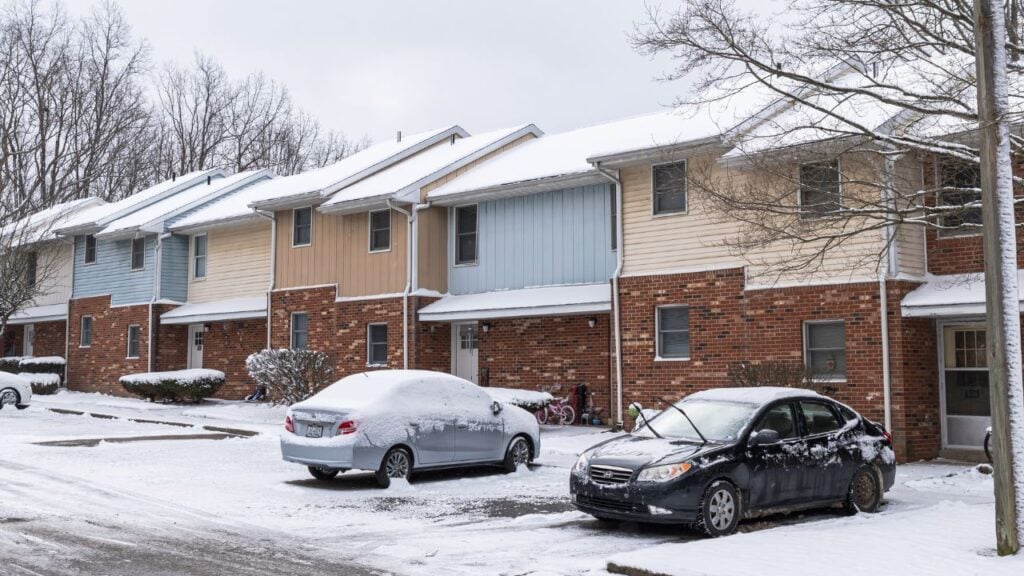
Ask around any Pennsylvania town, and everyone knows someone who left.
The reasons pile up slowly, from the tax bill to the tenth grey week of winter, until packing up starts to make sense.
8 Reasons Longtime Pennsylvanians Are Packing Up in 2026 (and Where They Go)
7 Pennsylvania Tax Breaks Seniors Leave on the Table

A retired engineer in Scranton files the same forms every April and figures she's covered.
A rebate check, a prescription program, and a frozen tax bill all sit within reach, and nobody ever told her to apply.
