
9 Kitchen Habits Draining Virginia Households of Hundreds Every Year

A family of four throws out about $2,913 worth of food a year without noticing.
That’s money, straight into the trash.
These are the kitchen habits draining money from households across Virginia every year.
Note: This is general information, not financial advice. Prices, rates, and dollar figures are subject to change, so confirm the current details before you count on them.
1. Second Fridge in the Garage
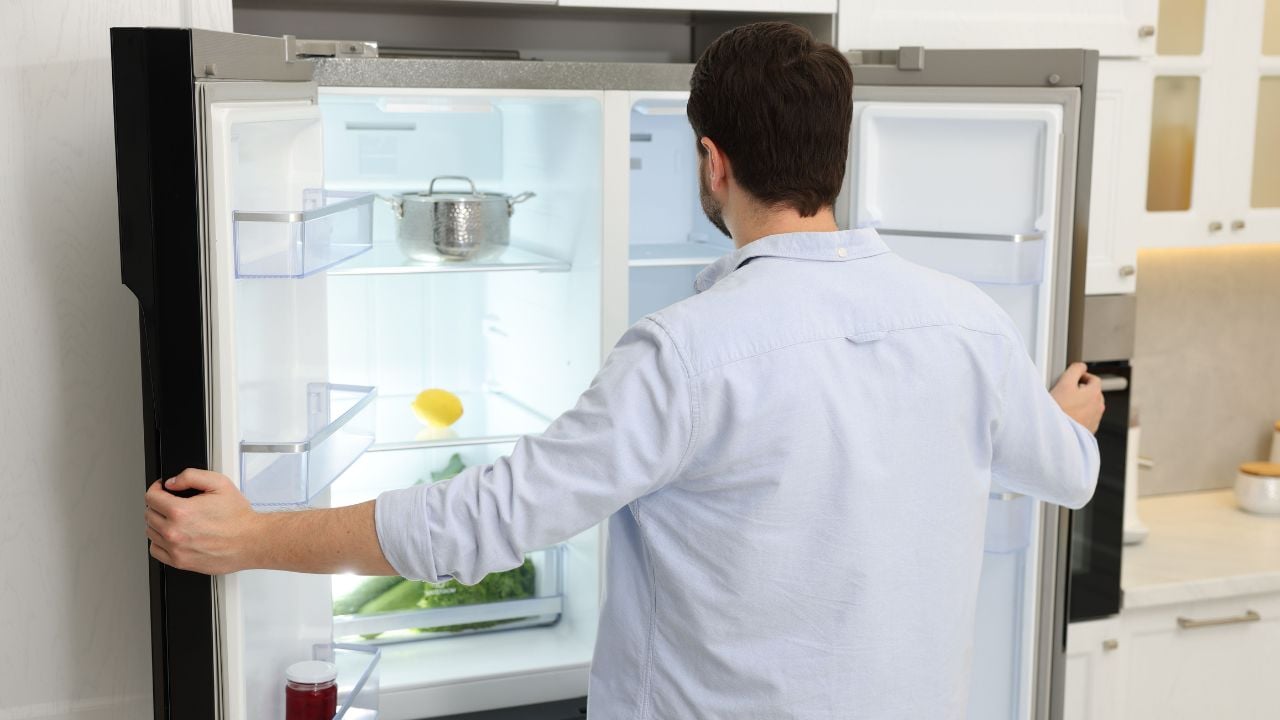
That extra refrigerator in your garage runs every hour of the day, holding a twelve-pack, a bag of ice, and last season’s freezer-burned venison.
An older unit built before 2000 can cost around $95 a year to keep humming, well above what a newer model uses.
At Virginia’s rate of about 15 cents per kilowatt-hour, an old compressor like that runs the bill up fast.
Park it in an un-air-conditioned garage through a Tidewater August, and the heat pushes that motor to work harder.
All of that, to chill a few sodas.
Unplug it between cookouts, or haul it to the curb, and you pocket the difference.
2. Scraping Good Food Into the Trash
The costliest habit in your kitchen may be the food you paid for and never eat.
The Environmental Protection Agency (EPA) put that cost at $2,913 for a family of four in 2025, or roughly $728 a person.
That’s groceries you carried in from Wegmans or Lidl and slid into the bin three weeks later.
The wilted cilantro, the leftovers shoved to the back, the yogurt one day past a date that never meant much anyway.
Shop your own refrigerator before you write a list, and cook whatever is about to turn first.
Simple math.
3. Rinsing Every Dish Before It Goes In
Scrubbing each plate under a running tap before it goes in the dishwasher wastes the hot water you’re paying to heat.
A certified dishwasher run full does the job on about $220 a year less than washing by hand, and it saves roughly 8,400 gallons of water on top of that.
Scrape your plate, load it, and let the machine earn its keep.
Skip the pre-rinse.
Running it half-empty gives those savings right back, though, so hold off until the racks are packed.
One full load beats two half-empty runs.
4. Letting Your Fridge Run Too Cold
Your refrigerator is one of the few things in the kitchen that never switches off, so the dial you set matters.
The Department of Energy recommends 37 degrees inside the fridge and 0 in the freezer to keep food safe without wasting power.
Set it 10 degrees colder than that, on the hunch that colder is safer, and a fridge can use up to 25% more energy, a utility’s engineers estimate.
Colder isn’t safer.
Dusty coils make it worse, and the same utility says clearing them can lift a refrigerator’s efficiency by as much as 30%.
Pull the fridge out once a year and vacuum those coils, and check that the door seal still grabs a dollar bill when you close it.
5. Hauling Home Cases of Bottled Water
Bottled water is tap water with a markup, and the markup rises faster than almost anything else in the cart.
A nonprofit called DigDeep estimated the habit runs a family about $1,350 a year.
Deer Park, Dasani, Aquafina: The brand on the case changes, but the water inside doesn’t.
You’re paying for the plastic.
Tap water is safe to drink across most of Virginia, and a Brita pitcher or a screw-on faucet filter drops the cost to pennies a gallon.
Fill a steel bottle before you walk out the door, and skip the checkout line for water you already own.
Psst! How much do you know about the money hiding in your kitchen? Take our quiz and see if you can ace it.
Quiz
Kitchen Money IQ
Answer these questions on kitchen habits, food, and energy. We bet you can’t get them all right. Prove us wrong?
The man who invented the K-Cup coffee pod later said what about it?
6. Brewing One Pod at a Time
Those little single-serve pods are one of the priciest ways to make a cup of coffee at home.
Weighed out, the coffee inside a K-Cup works out to about $40 a pound, two to three times the price of a bag off the shelf.
Brew a few cups a day, and the pods can run a household more than $400 a year over a regular pot.
It's the same beans, either way.
A Keurig or a Nespresso is quick, no argument there, but a Sheetz cup costs less than the machine takes to feed.
Load a refillable pod with your own grounds, though, and the same machine pours a cup for pennies.
7. Cranking the Oven for One Dish
Heating a full-size oven to bake a couple of potatoes warms mostly empty air.
In a Shenandoah Valley July, that oven also fights the air conditioner, so you pay to make the heat and pay again to push it back out of the house.
You pay twice.
A microwave handles the same reheating job on up to 80% less energy, the Department of Energy says.
Run that oven hard through the year, and it can cost around $109 on its own.
A toaster oven, a Ninja air fryer, or a Crock-Pot does a small meal for a slice of that.
8. Gadgets That Sip Power All Night
The coffee maker's clock, the microwave display, the air fryer on standby: Each of those gadgets draws power around the clock.
The Department of Energy pegs this phantom load at $100 to $200 a year for the average home.
They're always on and never used.
A power strip you flip off at night cuts the drain on a whole counter at once.
The bread machine you tried twice, the second toaster, the stand mixer between holidays: They can all sit unplugged until you reach for them.
Pull the plug.
9. Small Pan, Big Burner
Set a little saucepan on your stove's biggest burner, and more than 40% of the heat rolls off the sides, warming the kitchen instead of your food.
One utility puts the waste from that mismatch at about $36 a year on an electric range.
Match the pan.
Leave the lid off a pot and the water takes longer to boil, which burns more power for the same box of pasta.
Cover the pot, drop the burner to fit the pan, and a week of dinners costs less with not one recipe changed.
7 Money Moves Virginia Retirees Should Make Before Fall
The best money moves for a Virginia retiree have a deadline, and it isn't April.
Wait for your accountant to call in the spring, and the window on the easy wins has already closed.
7 Money Moves Virginia Retirees Should Make Before Fall
8 Things Virginians Get Wrong at Harris Teeter
You think you have your Harris Teeter run down to a science.
The loyalty card, the app, and the fuel pump all hide savings that regular shoppers walk past.
