

9 New Jersey Sayings That Sound Rude to Out-of-Staters but Aren’t

A waiter asks, “What are youse having?” and it can sound like a challenge.
Out-of-staters, relax.
In New Jersey, it’s just how people talk.
These are the New Jersey sayings that sound rude to out-of-staters but aren’t.
1. Youse
“Youse” lands hard on a first-timer’s ear, like a challenge instead of a greeting.
It isn’t one.
English never settled on a separate plural for “you.”
So speakers across the New York and Philadelphia metro areas filled the gap themselves: “youse,” sometimes “youse guys,” meaning more than one of you.
WHYY, the Philadelphia public radio station, has covered the spelling debate among South Jersey and Philadelphia speakers for years.
It’s the same plural-you gap that gives Pittsburgh “yinz” and the South “y’all.”
A waiter asking “what are youse having?” is filling a gap standard grammar left wide open, not picking a fight with the whole table.
2. What Am I, Chopped Liver?
“What am I, chopped liver?” sounds like a genuine insult the first time it lands on you.
Being called a food, and an unglamorous one, reads as a putdown.
Ouch.
The line comes from old-school Jewish deli culture.
Chopped liver sat on the table as the humble side dish nobody ordered on purpose, while the main platters got all the attention.
The Jewish English Lexicon traces the phrase to exactly that: A complaint about being overlooked, not an attack.
Say it after someone forgets to invite you, and they’re asking to be remembered, not calling anybody a dish.
3. Get Outta Here
“Get outta here” reads on paper like an order to leave the room.
Nobody wants to hear it.
Said with the right lift at the end, though, it means the exact opposite of a dismissal.
It’s pure disbelief, the same job “no way” or “you’re kidding” does anywhere else in the country.
Standard dictionaries list this figurative sense separately from the literal command, which is how far the phrase has drifted from what it looks like on the page.
Tell a neighbor their kid got into Rutgers on a full ride, and “get outta here” is the compliment, not the goodbye.
4. Capisce?
Capisce carries a tone problem before anyone mishears a single vowel.
Decades of mob movies shot it out of the mouths of men making threats, so the word walks in already sounding like one.
Strip away the soundtrack, and Merriam-Webster defines it as a plain borrowing from the Italian for “understand,” a one-word check that the other person is following along.
A grandmother tacking “capisce?” onto the end of directions to her house is making sure you didn’t miss the turn.
Nothing more sinister than that.
5. Fuhgeddaboudit
Fuhgeddaboudit sounds final, like a door closing on the conversation.
That’s not the job it’s doing.
The word earned a line in the Oxford English Dictionary in 2016, defined there as a way to signal that a scenario is unlikely or not worth worrying about.
That’s reassurance, not rejection.
A diner owner waving off a worry about the wait with that one word is telling you it’s fine, not telling you to drop it.
What Fuhgeddaboudit Is Doing
Fuhgeddaboudit works as a stand-in for “don’t give that another thought.”
A friend who says it after you apologize for showing up late isn’t cutting you off.
They’re telling you the lateness already stopped mattering.
Tone carries the rest of the meaning, so a flat delivery and an exasperated one can both count as fuhgeddaboudit doing its job.
6. Are You Nuts?
“Are you nuts?” questions a person’s sanity in four words flat.
That’s a rough thing to ask a stranger.
Not an insult.
Among family and friends, it plays as exasperated affection, the same beat as “are you kidding me” or “come on now.”
A favorite cousin who just did something ridiculous usually hears it next.
The heat is in the delivery, not the dictionary.
An aunt hearing you drove to the shore without checking the Parkway traffic report might greet you with exactly this question, and a hug right behind it.
7. What’s the Deal?
Picture a manager opening a complaint, and “what’s the deal?” is the line you’d expect first.
But nobody’s usually filing a complaint at all.
The phrase is a blunt stand-in for “what’s going on.”
People fire it off the second something looks off, whether that something turns out to be good news, bad news, or nothing at all.
A neighbor spotting an unfamiliar car in your driveway and calling out “what’s the deal?” is asking out of curiosity.
Not suspicion.
8. What, No Hello?
“What, no hello?” reads like a scolding before you’ve even said anything wrong.
The phrase calls out a skipped greeting the moment it happens, which can feel like getting caught mid-mistake.
Just the opposite.
Underneath the bluntness sits something closer to the opposite of rudeness: The person cared enough to notice you walked past without a word.
An indifferent neighbor wouldn’t bother keeping score.
A deli counter regular saying it to a familiar face is doing the opposite of brushing someone off.
Psst! How much do you know about New Jersey? Take our quiz and see if you can ace it.
Quiz
New Jersey IQ
Answer these questions on New Jersey firsts and facts. We bet you can’t get them all right. Prove us wrong?
The first organized baseball game in America was played in 1846 at Elysian Fields in which New Jersey city?
9. I Don't Know What to Tell You
"I don't know what to tell you" can land like a flat refusal to help.
It reads as somebody washing their hands of the problem.
Not deliberately.
Said out loud, it's usually an honest shrug: The speaker has no fix, no workaround, and no interest in pretending otherwise with false comfort.
That bluntness is the whole point.
A mechanic saying it about a part on backorder isn't giving up on your car, he's telling you the truth instead of stalling.
9 Everyday Rules That Only Make Sense to New Jerseyans
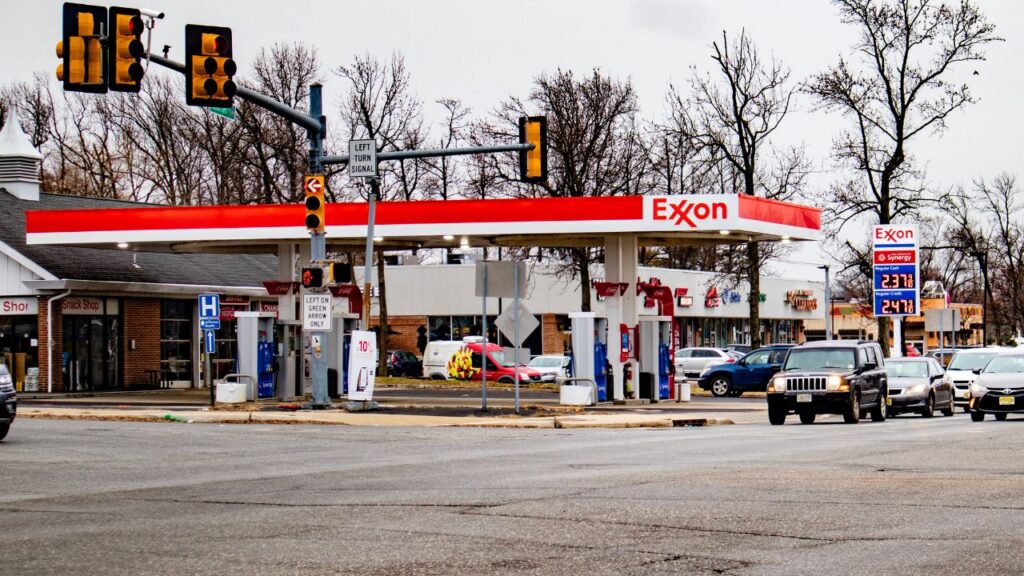
New Jersey is the only state left where pumping your own gas is against the law, a rule that's been on the books since 1949.
It's one of several everyday habits that only make sense once you're standing inside the state line.
9 Everyday Rules That Only Make Sense to New Jerseyans
6 Things Wawa Does in New Jersey That Other Gas Stations Never Bother With
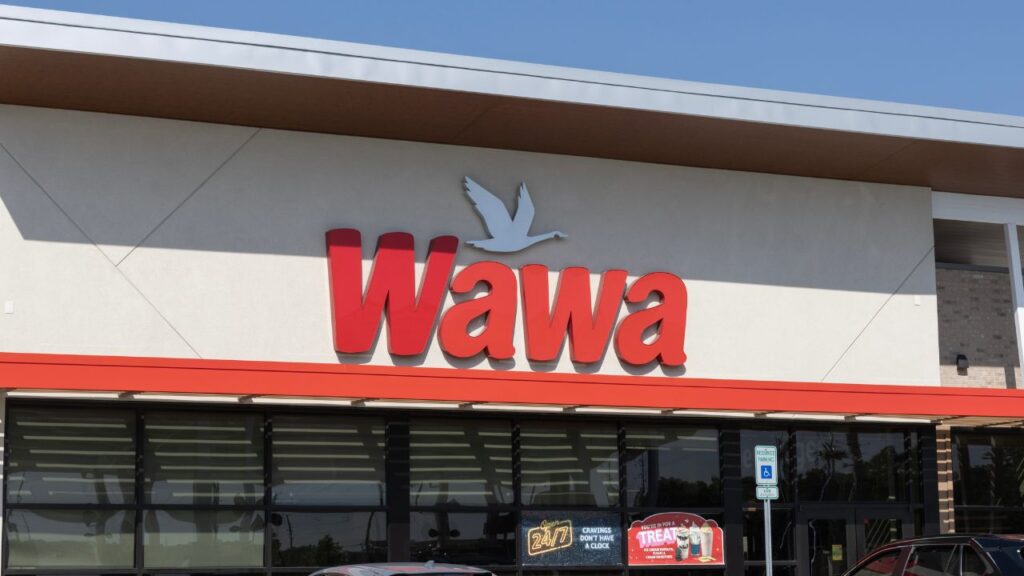
Stopping for gas and stopping at Wawa are two very different errands.
One fills the tank, and the other has regulars walking in with expectations no ordinary gas station could meet.
6 Things Wawa Does in New Jersey That Other Gas Stations Never Bother With
