
9 New York City Habits That Follow Transplants Wherever They Move

“Where do I get on line?”
A cashier in Phoenix blinks, and a transplant realizes the sentence didn’t translate.
New York City taught them to say it that way, and nobody back home ever had to explain it.
These are the New York City habits that follow transplants wherever they move.
1. Walks Like the Train Is Leaving
New York City sets a walking pace most cities can’t match.
A widely cited British pace-of-life study once timed pedestrians covering 60 feet of open pavement in cities worldwide, and New York City finished in just over 12 seconds, faster than two dozen of the cities measured.
That’s no accident.
After years of dodging Fifth Avenue foot traffic, a transplant doesn’t slow down just because the new sidewalk in Boise is empty.
They cut around a stalled stroller on reflex.
Someone stopped dead to check a phone earns a fast dodge, not a second look.
Every doorway’s an obstacle.
Why cross an empty small-town street at full speed?
Because in a New Yorker’s head, the light could change any second.
2. Keeps Right on Every Escalator
New York City subway riders learn one rule before they learn their commute: Stand right, walk left.
Even the Metropolitan Transportation Authority (MTA) tells riders to keep right on the escalator, though the unwritten walking-lane half of the rule isn’t official anywhere.
New Yorkers enforce it themselves.
There are no exceptions.
They do the same thing on a grocery-store escalator in Ohio, standing right and moving fast past anyone camped out in the walking lane.
Block that lane on purpose, and you’ll watch a former New Yorker exhale hard through their nose.
3. Crosses on the Gap
New York City decriminalized crossing outside a crosswalk or against a traffic signal in February 2025, closing out a law that had sat on the books since 1958.
Pedestrians had been ignoring it long before that.
New Yorkers read a gap in traffic by feel and step off the curb the second it opens, signal or not.
The signal is a suggestion.
In a slower town, a transplant checks both directions anyway and steps off the curb the moment the lane clears, long before the little walk sign lights up.
Some habits don’t ask permission.
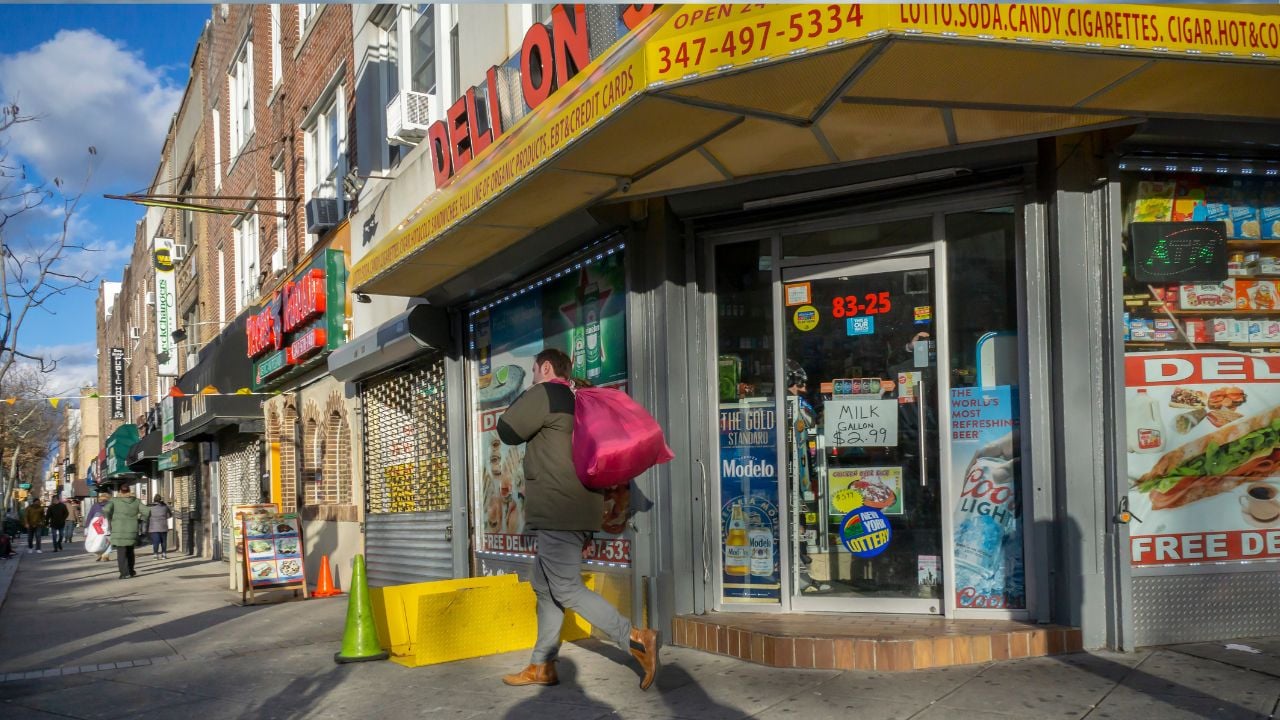
4. Still Has a Bodega Order
More than 13,000 bodegas keep New York City fed, block by block, according to research from StreetEasy.
The bacon, egg, and cheese sandwich is the closest thing New York City has to an official breakfast, griddled and wrapped before 7 a.m. at delis across the five boroughs.
The sandwich is popular enough that Forbes covered a bodega breakfast anthem that went viral on TikTok, order call-outs and all.
Everybody has an order.
The order comes out before a transplant in an unfamiliar Nashville deli even has to think: Bacon, egg, and cheese, salt, pepper, ketchup, on a roll.
The deli worker offers a bagel instead, and the transplant asks for a roll anyway, the same way they have for years.
5. Draws a Line at Manhattan
New York City has five boroughs, but many residents save the phrase “the city” for just one: Manhattan.
Ask someone from Staten Island, Queens, or the Bronx about a trip to Manhattan, and plenty will call it going into the city, though Gothamist found even its own staff split roughly down the middle on the habit.
Opinions split, habits don’t.
Three states removed from anyone who’d get the distinction, a transplant who grew up in Brooklyn separates Manhattan from everywhere else out of pure habit.
They’ll say “when I lived in the city” to someone from Ohio, and the words slip out before they remember to explain: New York City has five boroughs, and they only meant one of them.
6. Tips Like a New Yorker
New York City runs on a tipping floor most of the country doesn’t match.
NYC Tourism’s own guidance puts a sit-down restaurant tip at 18% to 20%, with delivery riders and bartenders expected to see real cash too, not loose change.
Nobody shorts the rider.
In a small town, a transplant sits down for lunch.
The server’s face gives away that the tip surprised them.
It’s the number they know.
They round up on a coffee, a haircut, a cab ride, the same way they always did back home.
Try shorting a bartender in front of one, and you’ll see the look.
7. Sizes up Every Apartment
New York City apartments run small, some of the smallest in the country.
The average apartment across New York City’s boroughs runs around 700 square feet, well under the national average of 908 square feet, according to rental data from RentCafe.
Renting a two-bedroom in Nashville, a transplant does the math out loud anyway, converting the new listing into how many old studios would fit inside it.
Four would fit, easily.
They keep the folding table, the wall-mounted rack, the stackable everything because storage space feels like something to earn, not something to expect.
8. Orders Delivery for Everything
In New York City, food delivery works like a utility, not a treat.
Seamless launched in New York City in 1999 and built a brand on the idea that a New Yorker orders in more nights than they cook.
In a city with more parking spots than sidewalks, a transplant opens a delivery app anyway for a Tuesday dinner they could make in fifteen minutes.
It’s an old reflex.
They order coffee, a phone charger, a birthday cake, anything, since in New York City ordering in never felt like a splurge.
Psst! How much do you know about New York City beyond the headlines? Take our quiz and see if you can ace it.
Quiz
New York City Deep Cuts
Answer these questions on New York City’s subways, bridges, and record-setting landmarks. We bet you can’t get them all right. Prove us wrong?
New York City’s “Big Apple” nickname was popularized in the 1920s by a writer covering what?
9. Complains as a Love Language
New York City runs on complaints.
Longtime residents will tell you that's the whole point.
Writer Jake Dobkin has argued that griping about rent, the trains, and noisy neighbors builds the same camaraderie as a shared inside joke.
Venting builds trust.
They meet a new neighbor in Denver and complain about the water pressure within five minutes, testing whether the neighbor will laugh or just nod.
It's a compliment, whether the neighbor knows it or not.
A transplant's old group chat lights up every time a subway line shuts down for repairs, even from six states away.
You'll hear the complaint about the L train before you hear their new area code.
10 Things New Yorkers Miss Most After Moving South
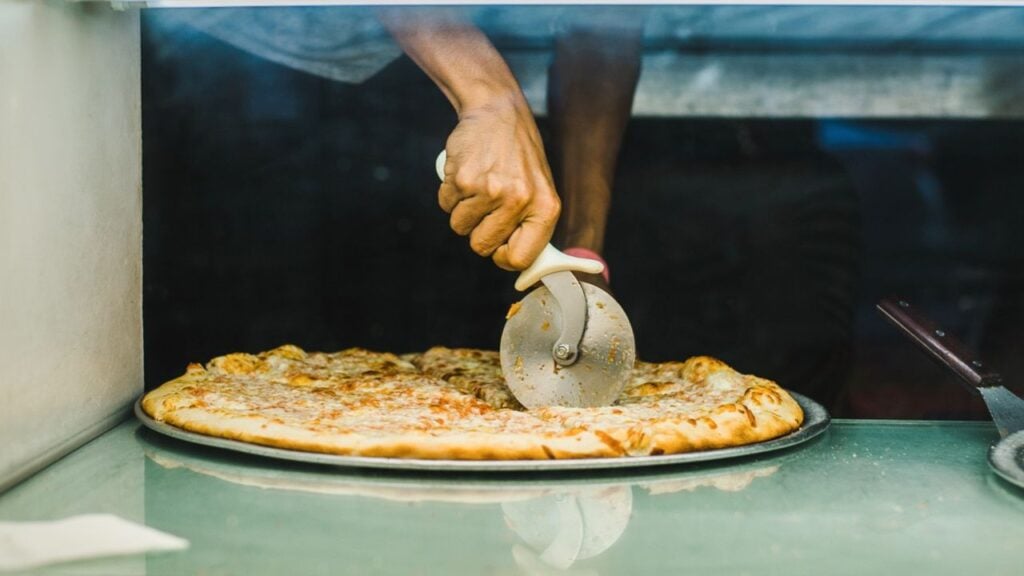
A warmer winter and a lower mortgage payment look like a fair trade on paper.
Then the first February without snow hits, and a transplant in Charlotte starts missing things a moving truck can't carry.
10 Things New Yorkers Miss Most After Moving South
11 Things New Yorkers Do That Baffle the Rest of the Country
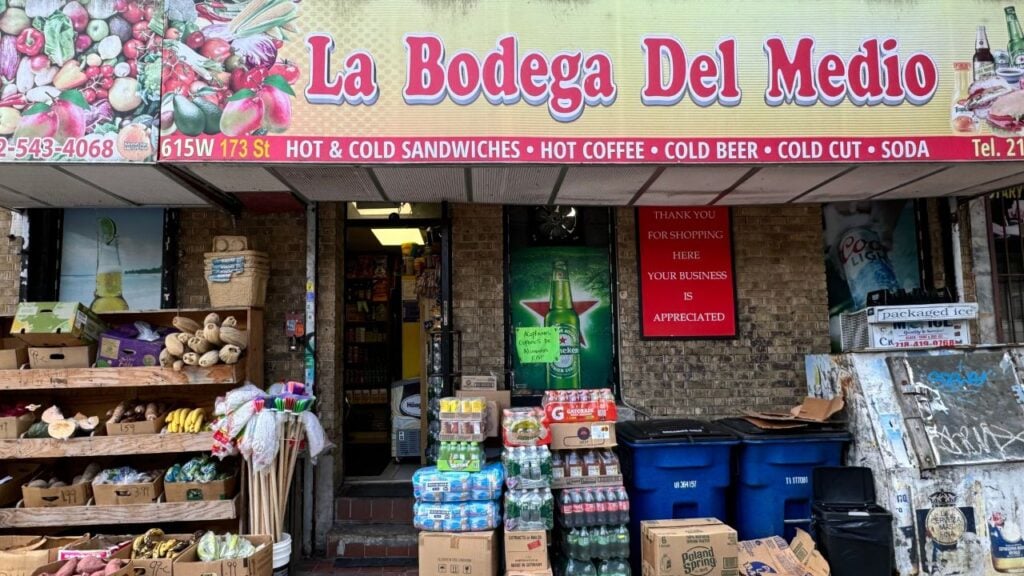
New York City runs on habits that would get side-eyed anywhere else in the country.
Most of them save a few seconds, and in New York City, a few seconds are worth defending.
11 Things New Yorkers Do That Baffle the Rest of the Country
