
9 Northern Habits Florida Transplants Never Quite Shake

Moving trucks roll into Florida all the time.
Every truck carries boxes, and every wide-eyed driver carries habits that never make it to a donation pile.
You can’t wash off twenty northern winters in one pool season. These are the northern habits that follow transplants all the way down I-95.
Walking Like They’re Late
You can spot a former New Yorker in any Florida parking lot.
They cross the asphalt at commuter speed while everyone around them strolls.
Sidewalks in Manhattan move at a pace Florida never adopted, and a transplant’s legs remember.
Ten years in Bradenton, and a transplant still passes three people on their way into Publix.
Ask them where the fire is, and you’ll get a look that could frost a windshield.
Beach walks turn into speed training, and a morning loop around the neighborhood finishes before a Floridian’s coffee does.
The transplant walk even has a season: It peaks in January, when everyone else slows down to enjoy the weather.
Honking on Instinct
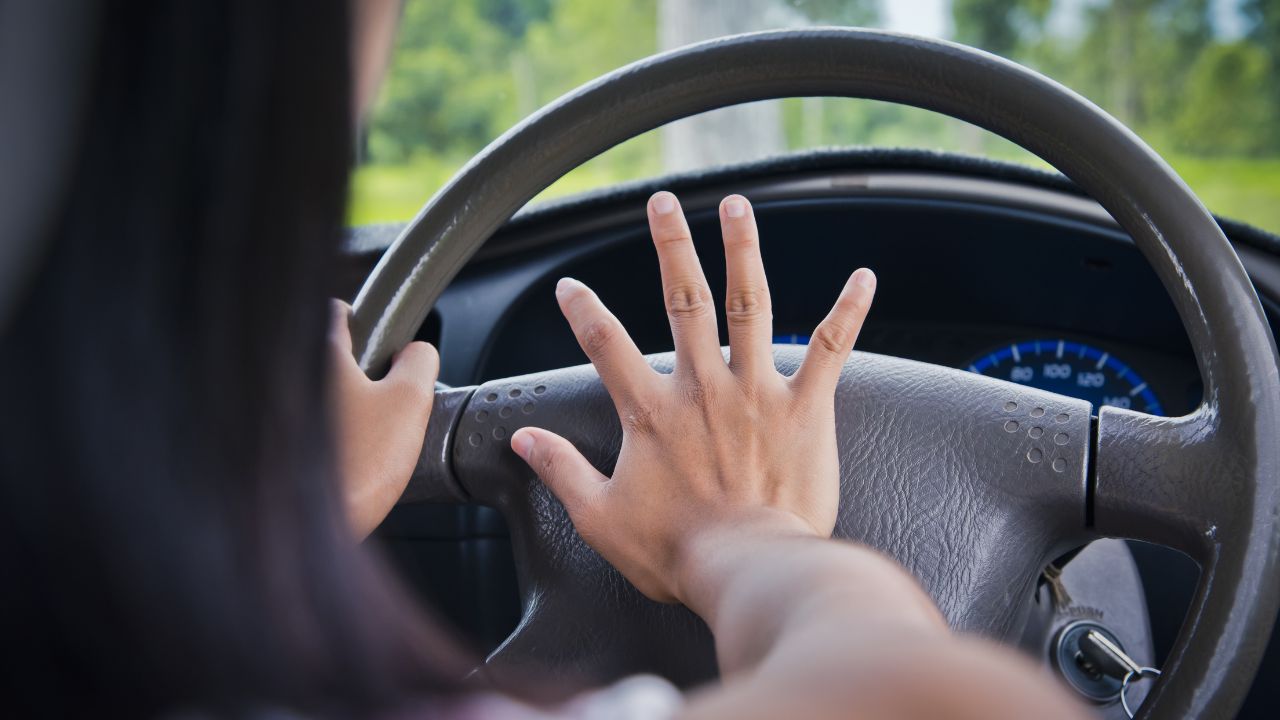
A light turns green in Sarasota, and somewhere a horn sounds within half a second.
That’s not a Florida reflex.
Floridians treat the horn as a last resort. Transplants from New Jersey treat it as a greeting, a warning, and a complete sentence.
The habit fades slowly, one green light at a time.
Merging comes with the same urgency.
In the Bronx, hesitation costs you the exit, and that lesson never expires.
Psst! How much do you know about the wave of people moving to Florida? Take our quiz to see if you can ace it.
Quiz
Florida Newcomer Trivia
Answer these questions about the great Florida migration. We bet you can’t get them all right. Prove us wrong?
Judging Every Slice and Bagel
Hand a transplant a slice of pizza in Florida, and the review starts before the first bite.
Too thick. Wrong cheese. The fold feels off.
Bagels face the same trial, and the verdict usually blames the water.
Plenty of transplants fly home to Florida with a dozen bagels in their carry-on, and nobody on that plane needs to ask where they're from.
The water theory has believers and doubters. The homesickness underneath it never goes away.
First-year transplants mail-order bagels from H&H and pay more for the shipping than for the bagels.
Philly transplants deliver the same verdict on every cheesesteak south of Richmond.
At least the judging is a group activity.
Dressing for the Wrong Climate
Somewhere in every transplant's closet hangs a serious winter coat.
It hasn't left the hanger since the moving truck pulled away.
The all-black wardrobe survives too, in a state where dark colors turn a July walk into a workout.
Ask about the coat, and you'll hear the same answer every time: "You never know."
In Naples, you do know.
January offers a brief pardon.
When the temperature dips into the 50s, transplants get one glorious week of boots and scarves, and Floridians bundle up right alongside them.
Keeping Snow Gear
The ice scraper stays in the glove box.
A snow shovel leans in the corner of a garage in Port St. Lucie, three years after the move.
Some garages even hold a bag of rock salt, waiting for a blizzard that will never cross the Georgia line.
Throwing that gear away feels like tempting fate, so nobody does.
One Buffalo transplant in Cape Coral keeps a snow brush next to the beach chairs, and the neighbors have stopped asking.
Rushing Every Line
Publix cashiers chat.
Baggers ask about your weekend, and the shopper ahead of you wants to discuss the BOGO on Cheez-Its.
A northern transplant's patience runs out around minute two.
Up north, a checkout line was a transaction.
In Florida, a checkout line is a social hour, and transplants need years to stop sighing through it.
The drive-thru tests them the hardest.
A four-car line at Dunkin' reads as a crisis in month one. By year five, they've made peace with it, mostly.
Publix cashiers never take the sighing personally. They've watched a thousand transplants arrive tense and leave chatty.
Saying "the City"
Ask a transplant where they're from, and you'll hear "the city."
No one names which city. For them, there's only one.
New York City residents hold that title in their heads forever, no matter how many Gulf sunsets they've watched.
Chicago transplants do the same thing with "the lake," and Floridians just nod along.
Directions come out northern too.
Transplants give them in blocks for years before Florida's exit numbers finally take over.
Bragging About Snow Driving
Every northern transplant claims they can drive in anything.
Lake-effect blizzards, black ice, whiteouts on the interstate. They've handled it all.
Then a summer downpour hits I-75, and they pull onto the shoulder with the hazards on.
Florida rain humbles everyone eventually. Transplants just take longer to admit it.
Hurricane season turns the tables completely.
The same drivers who laughed at Florida weather spend their first June asking neighbors about shutters, generators, and where the water goes.
Floridians answer patiently, from the dry side of the lanai.
Missing Seasons Out Loud
Every October, the announcements begin.
"You can't even feel fall down here."
Transplants buy ceramic pumpkins at HomeGoods, book leaf-peeping flights to Vermont, and light apple-cinnamon candles against an 88-degree afternoon.
A few cave and drive up to North Carolina for the leaves and apple cider doughnuts.
Many settle for a pumpkin spice candle burning next to their air conditioning vent.
By December, the group chat back home fills with driveway-shoveling photos, and the transplant answers with one picture from a tiki bar.
The candles and the ceramic pumpkins usually last about three Octobers before Florida wins.
The tiki bar photo tradition lasts forever, and not one transplant has ever apologized for it.
8 Unwritten Rules Snowbirds Break That Annoy Floridians
Ask a Floridian about snowbird season, and watch their expression change.
The company's fine. It's the left-lane crawl and the 4:30 dinner rush that wear locals down.
8 Unwritten Rules Snowbirds Break That Annoy Floridians
10 Florida Town Names Out-of-Staters Always Mispronounce
Florida's map mixes Native American syllables, Spanish words, and pure developer invention.
Pronounce one wrong, and locals hear it instantly.
