
9 Reasons Retirees Are Rethinking Pennsylvania in 2026

Pennsylvania’s lottery has poured more than $37 billion into programs for older residents since 1972.
It’s the only state lottery in the country built to send every dollar of profit to seniors, so it’s easy to assume Pennsylvanian retirees are well cared for financially.
That’s not always the case.
The state hands retirees a genuine break on retirement income, then finds other ways to ask for money back.
These are the reasons longtime Pennsylvanians are rethinking retirement in the Keystone State.
Note: This is general information, not financial, tax, or medical advice. Tax rules, program eligibility, and health care details are subject to change.
A Rebate With a Ceiling
Pennsylvania’s Property Tax/Rent Rebate (PTRR) program is the state’s main answer for retirees stuck with a tax bill that outgrew their income.
It has a ceiling, though, and many retirees sit right on top of it.
Household income has to fall at or below $48,110 a year just to qualify, and the rebate itself shrinks as income rises.
The maximum standard rebate is $1,000, reserved for the lowest earners.
Cross $19,241, and it drops to $380.
Not much of a cushion.
A retiree with a modest pension on top of Social Security can cross that income line without ever feeling wealthy, and the relief program built for people exactly like them stops helping right when the property tax bill keeps rising.
Winter Takes the Keys
More than a quarter of Pennsylvania’s licensed drivers are 65 or older, over 2.3 million people steering through black ice, lake-effect squalls, and mountain grades every winter.
Many older drivers handle it fine for years.
But researchers who study older drivers keep finding the same pattern.
Once memory, vision, or mobility starts to slip, people stop driving at night, on the interstate, or in ice and snow, long before they’d ever say so out loud, and fewer trips out mean fewer visits to a doctor, a pharmacy, or a friend’s house, especially once a retiree lives outside a city with reliable transit.
Crash reports don’t back up the assumption that older drivers cause more wrecks on Pennsylvania roads.
What changes is how a crash lands on an older body: In fatal crashes involving a driver 70 or older, the older driver makes up 57% of the people who die, so a fender-bender a 40-year-old walks away from can turn serious for someone in their 70s or 80s.
Fewer Hospitals Close By
Pennsylvania retirees who plan to age in place are counting on a hospital being close enough to matter.
That math keeps getting worse.
Six rural Pennsylvania hospitals have closed over the past five years, and another 18 are considered at risk, with 10 of those facing imminent danger.
Heritage Valley Kennedy Hospital, outside Pittsburgh, shut its doors for good on June 30, 2025, citing declining patient volumes and reduced reimbursements.
Not an isolated case.
A retiree managing a heart condition or recovering from a fall doesn’t have the luxury of driving an extra 40 minutes to the next open emergency room, and in parts of rural Pennsylvania, that drive keeps getting longer.
Care Costs That Compound
Long-term care in Pennsylvania is expensive enough that almost no retirement budget covers it indefinitely.
Assisted living in the state runs a median of $6,100 a month, and a private room in a nursing home runs close to $12,958 a month.
Stretch either figure across two or three years, and the total erases a retirement account that took decades to build.
The longer a retiree stays healthy and independent at home, the better that math works out, and that’s exactly what Pennsylvania’s winters and thinning rural hospital network make harder to count on.
Leaving on Paper
Residents leave Pennsylvania faster than they arrive in most years, and retirees make up a noticeable share of who’s going.
Federal tax filing data for a recent year shows a net loss of 12,095 tax filers to other states.
Thousands of households, gone.
Most of them favor the same handful of lower-tax states: Delaware, Florida, North Carolina, South Carolina, and Texas, according to state fiscal researchers.
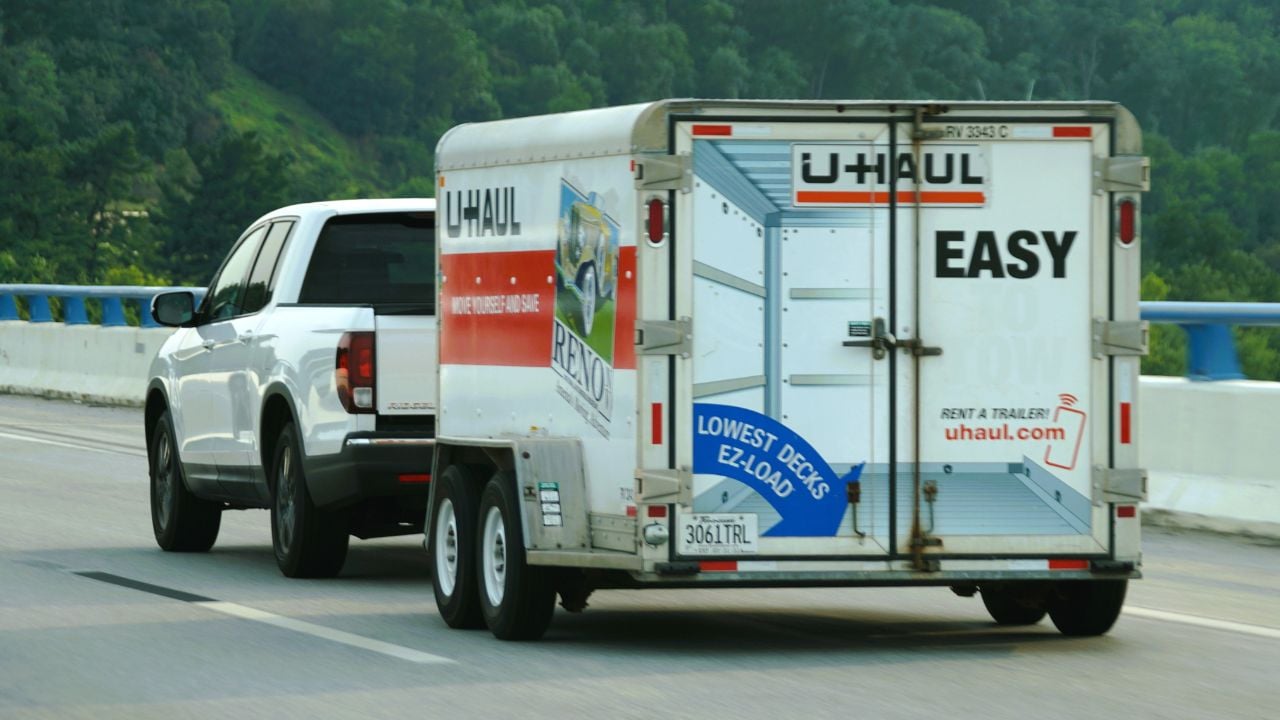
Pennsylvania isn’t emptying out because of this: What’s happening is quieter, enough retirees choosing somewhere else that the state notices the pattern, and each of those exits shows up on a tax return long before the neighbors hear a moving truck pull away.
Psst! How much do you know about Pennsylvania’s programs for older residents? Take our quiz and see how many you can get right.
Quiz
Pennsylvania Senior Perks IQ
Answer these questions on Pennsylvania’s programs for older residents. We bet you can’t get them all right. Prove us wrong?
Which is the only state lottery in the country that sends 100% of its profits to programs for older residents?
Family in Another Area Code
Adult children move for jobs, and aging parents are often the people left deciding whether to follow.
More than one in four retirees who relocate say they did it to live closer to family.
Proximity wins arguments.
A grandparent watching a son settle in Charlotte or a daughter land in Raleigh starts weighing a doctor's appointment ride and a Tuesday visit against a familiar porch in Bethlehem or Reading.
Staying near the people who show up sometimes beats staying near the house that's already paid off.
Heating Costs on a Budget
Heating a Pennsylvania house through a full winter isn't cheap on a fixed income, and many retirees find that out the hard way every February.
Pennsylvania's Low-Income Home Energy Assistance Program (LIHEAP) sent cash grants to nearly 293,000 households last season, averaging $291 apiece.
Another 128,000 households needed a crisis grant on top of that, averaging $523, just to avoid a shutoff in the middle of January.
That's a lot of retirees turning the thermostat down to stretch a fixed income through January.
A retiree who spent decades in a Pittsburgh rowhouse or a farmhouse outside Lancaster starts eyeing a state where a heating bill isn't a February surprise every year.
A Ranking That Complicates Things
By some measures, Pennsylvania ranks near the top for retirement nationally.
A 2025 study placed Pennsylvania 5th nationally out of all 50 states, behind only Washington, D.C., Montana, Wyoming, and Alaska.
That fifth-place finish is real, and so are the household bills that don't show up in it.
Retirees weighing whether to stay are working from both truths at once, a strong overall ranking and a set of costs that hit their own budget harder than any ranking captures.
A Break With Limits
Pennsylvania doesn't tax a dollar of Social Security, and it exempts most pension and retirement account income too, once a retiree has reached retirement age.
That much is true.
Withdraw from an individual retirement account (IRA) before age 59½, though, and Pennsylvania taxes it at the flat 3.07% rate, using a cost-recovery method that spares a retiree's own original contributions first.
So a retiree who cashes out an old 401(k) early to cover a new roof or a medical bill still owes the state its share.
The break rewards patience, and it's the reason so many retirement calculators rank Pennsylvania ahead of neighbors like New Jersey and New York.
Cash out early instead, and the commonwealth collects on money a retiree already assumed was theirs, free and clear.
12 Things Your Pennsylvania Garbage Collector Wants You to Know
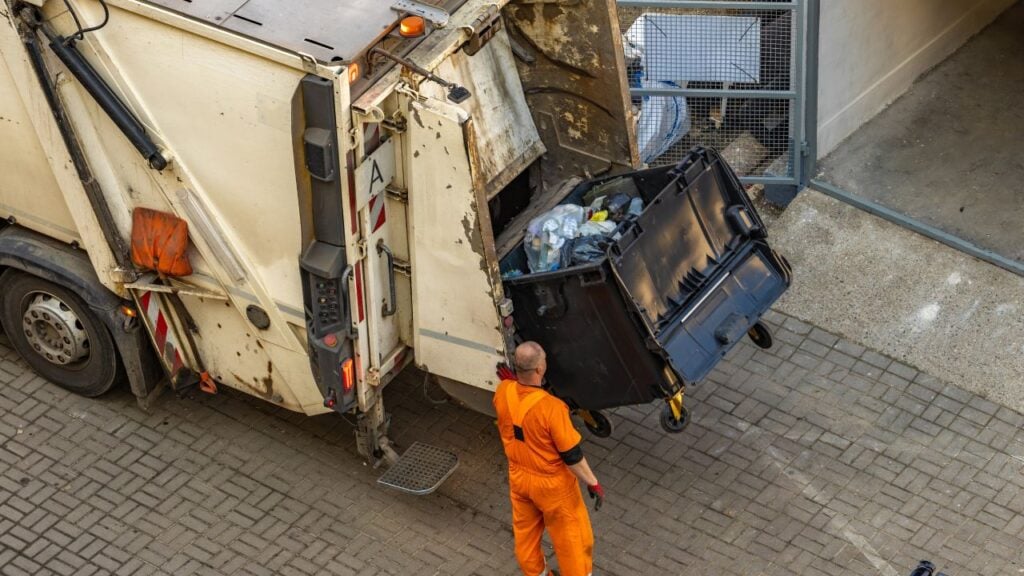
A Pennsylvania garbage collector spots more code violations before 8 a.m. than most homeowners notice all year, and most of those rules live in borough ordinances nobody reads until a fine shows up.
These are the things every Pennsylvania homeowner should know before trash day.
12 Things Your Pennsylvania Garbage Collector Wants You to Know
15 Pennsylvania Quirks the Rest of America Will Never Get
A driver from Ohio waits at a downtown Pittsburgh light, ready to turn left the second it changes, and three more cars swing left ahead of her before the cars going straight even move.
Nobody behind her taps the horn because that's just how Pennsylvania drivers do it.
