
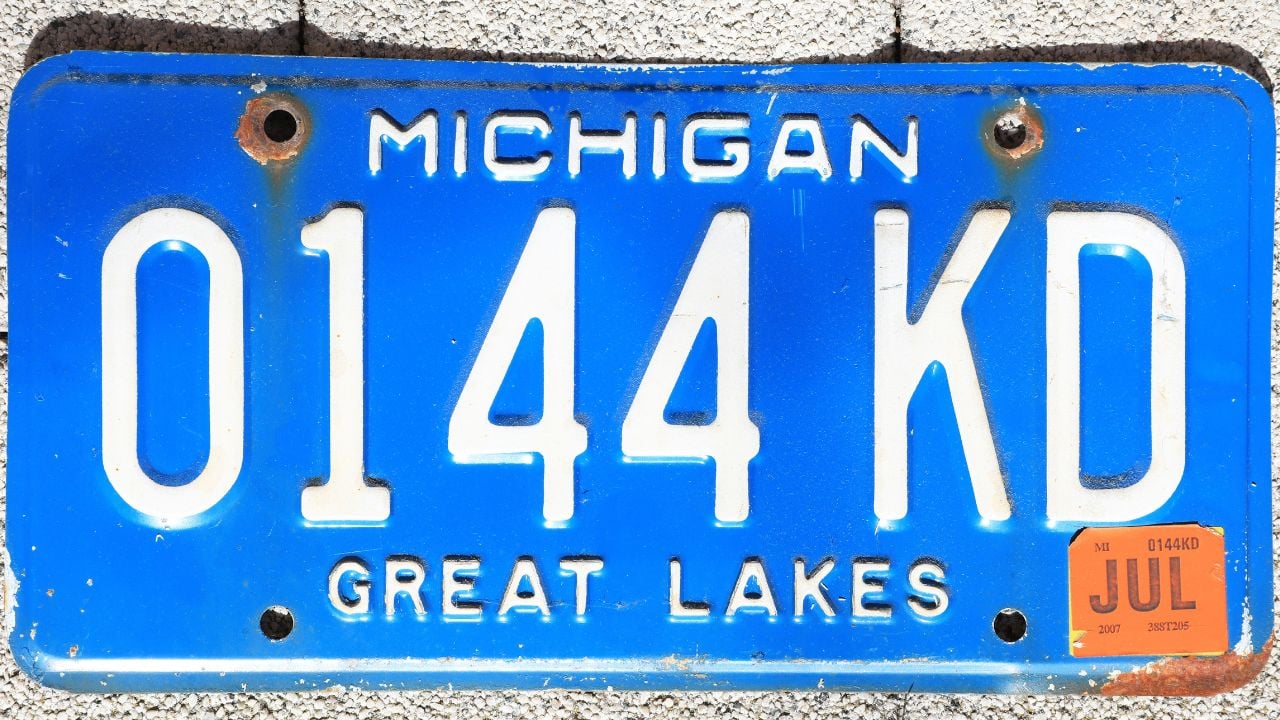
9 Signs Someone Was Raised in Michigan No Matter Where They Live Now

Michigan’s transportation department says the Michigan Left reduces crashes at those intersections by 30% to 60%.
Few other states build them, which is why a Michigander driving elsewhere keeps looking for one, mostly without luck.
These are the signs someone was raised in Michigan, no matter where they live now.
1. Mitten Hand Map
Every Michigan kid gets handed the same trick before they can read a map: Hold up your right hand.
Ask where they grew up, and the hand goes up like a mitten before the words do.
It’s automatic.
A tap near the thumb means Detroit.
The top knuckle means Mackinaw City, hours north on a good day.
The trick works because Michigan’s Lower Peninsula happens to be shaped exactly like a mitten.
Transplants in Arizona and Texas still hold up a hand that matches nothing on the map there.
A stranger who’s never seen Michigan on a map usually just nods along anyway.
2. Party Store Habit
Michiganders who move away still ask for the party store, even in states that don’t have one.
Back home, a party store sells beer, wine, lottery tickets, and milk, not balloons and streamers.
Someone raised in Michigan can order a six-pack there without a second thought.
Not a paradox.
New neighbors usually need it explained twice.
The explanation never gets any shorter.
3. Still Ordering Pop
Someone from Michigan orders a pop, not a soda.
The habit doesn’t reset at the state line.
Say “pop” in the Southeast or along either coast, and a waitress hears it as a request to open something, not a drink order.
Every time.
One theory traces the word to Faygo, the Detroit soda maker founded in 1907, whose bottle caps made a distinct popping sound coming off.
A visitor says the word once and switches to “soda” by the next round.
Someone who grew up saying it never switches at all.
4. Vernors for Every Ailment
Families in Michigan reach for a Vernors before they reach for anything in a medicine cabinet.
Doctors in Detroit say patients ask about it constantly, for sore throats, upset stomachs, and colds alike.
It rarely works.
It’s tradition, not medicine, and everyone treats it that way anyway.
A transplant in Nashville or Phoenix still keeps a bottle in the fridge, even though the closest one is two states away.
Vernors Isn’t Canadian, Whatever the Border Towns Think
Vernors started in a Detroit pharmacy in Michigan, not north of the border.
James Vernor first served the ginger soda to the public in 1866, and the brand has stayed tied to Detroit through every owner since.
The apostrophe disappeared from the name at the end of the 1950s, which is why old bottles say Vernor’s and new ones say Vernors.
5. Accent That Sticks
Michiganders grow up with an accent that doesn’t fade just because they move.
Linguists call the pattern the Northern Cities Vowel Shift.
The shift runs through Michigan and the Great Lakes region, touching an estimated 34 million speakers, with Detroit, Flint, and Saginaw firmly inside its home territory.
Cat rhymes with yeah.
Many speakers never notice they’re doing it, since the shift feels normal from the inside.
The accent doesn’t reset just because someone’s mailing address changes to Arizona or Texas.
A five-minute phone call home still gives it away, long after the new zip code stops feeling new.
6. Expecting a Michigan Left
Someone who learned to drive in Michigan expects every big intersection to work the same way, no matter what state they’re driving in now.
Michigan blocks a direct left turn at many big intersections.
Drivers cross straight through the intersection first.
Then they loop back through a median crossover a few hundred feet down the road.
That’s the Michigan left.
The Michigan Department of Transportation (MDOT) says the design cuts crashes at those intersections by 30% to 60%.
The same MDOT data shows left-turn and angle crashes make up nearly 58% of all intersection crashes statewide.
In a state without them, old instincts kick in at the first light: Cross straight, then hunt for the U-turn that isn’t there.
Many drivers who grew up with it can’t explain a normal protected left turn to a confused passenger riding along.
7. Nov. 15’s Sacred Status
Hunters raised in Michigan treat November 15 like a second holiday.
That’s opening day of firearm deer season.
Hunters circle it on calendars months in advance.
Rural school districts cancel classes, and the state legislature takes the day off too.
Not a joke.
Two separate hunter polls, taken years apart, both found more than 80% support for keeping the date exactly where it is.
Families plan deer camp reunions around it, sometimes years ahead, even when a relative left Michigan for good.
Someone who grew up marking the 15th can walk past a full calendar of ordinary Tuesdays somewhere else and still feel the pull of the woods that week.
8. Coney Dog Snobbery
Michigan’s coney dog isn’t just a hot dog with chili on it, not to a purist.
It’s a beef frank in a natural casing, topped with beanless chili, chopped white onion, and a stripe of mustard.
No beans, ever.
American Coney Island and Lafayette Coney Island have stood side by side in downtown Detroit since 1917 and 1924.
The city’s historical society traces the coney dog itself to an even older stand, Todoroff’s in Jackson, which dates to 1914.
That exact recipe goes by a different name once it crosses into Vermont or upstate New York, where diners just order “a Michigan”.
Someone raised on Detroit’s version can’t take a coney dog seriously anywhere else, no matter how many states they’ve lived in since.
Plenty end up driving across Chicago, Nashville, or Seattle hunting for a coney place that gets the onions right.
Psst! How Michigan are you? Run through this checklist and see how many you can check off.
9. Yooper or Troll, Never Both
Someone raised in Michigan can tell you whether they grew up a Yooper or a Troll before they ever explain what either word means.
A Yooper comes from the Upper Peninsula, the wild, forested stretch of Michigan north of the Mackinac Bridge.
A Troll comes from everywhere south of it, in Michigan’s Lower Peninsula.
Yoopers pinned the name on Trolls as a joke because Trolls live under the Mackinac Bridge instead of over it.
It’s a nod to the old fairy tale about a troll guarding a bridge.
Not an insult.
The two halves of the state feel like different places entirely, linked by one five-mile bridge and not much else.
A grown Troll in Ohio or Florida still calls themselves a Troll, exactly as a Yooper who left the U.P. still calls themselves a Yooper.
Ask a Troll or a Yooper which half of Michigan raised them, and the answer comes with a grin, not a hesitation.
9 Michigan Lake Access Rules Property Owners Get Wrong
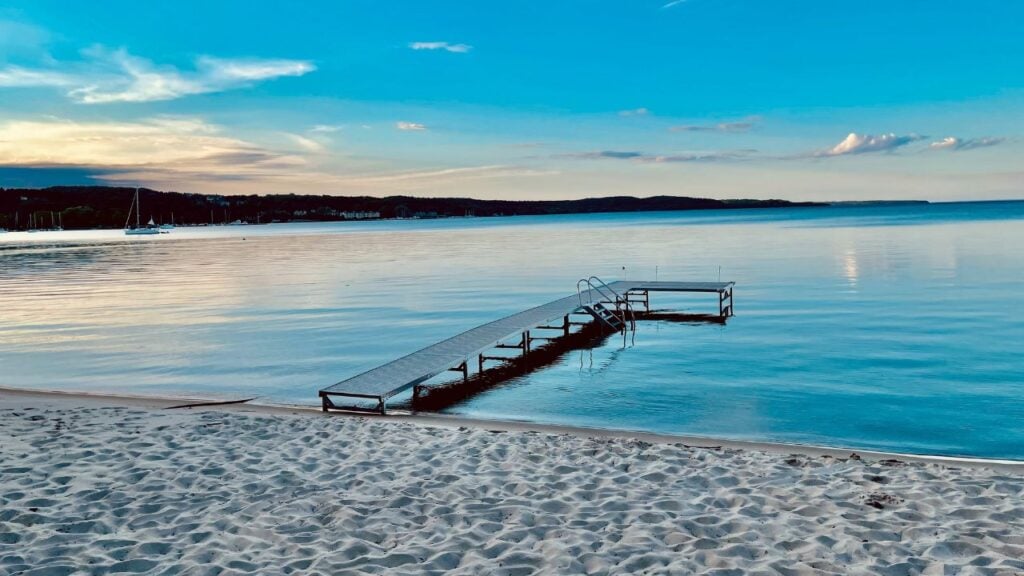
Michigan’s Great Lakes shoreline runs 3,288 miles, the longest freshwater coastline of any state, according to state regulators.
Owning a piece of it comes with more fine print than many buyers expect.
9 Michigan Lake Access Rules Property Owners Get Wrong
8 Michigan Jury Duty Rules Residents Get Wrong
Michigan pays a juror as little as $25 for showing up to serve.
That’s a long way from a living wage for a full day away from work.
