
9 Things a Georgia Landlord Can Legally Do That Tenants Never See Coming

A renter in Gwinnett County opens her lease renewal and reads the new number twice.
Her landlord wants $200 more a month.
No Georgia law caps that increase, and the surprises don’t stop at the rent.
These are the things a landlord can legally do that tenants never see coming.
Note: This is general information, not legal advice. Landlord-tenant rules are subject to change, so confirm the current details with an attorney.
1. Walk in Without Warning
The landlord who holds your key can turn it without giving you a day’s warning, and no Georgia statute says otherwise.
State law sets no notice requirement for entry, so the lease you signed sets the only rules on who can walk in and when.
Read yours closely.
Some leases guarantee 24 hours’ notice before a repair visit, and some guarantee nothing at all.
None of that holds in an emergency: A landlord dealing with a burst pipe in a Marietta duplex can walk in without any call at all.
Renters moving in from states with strict entry laws assume Georgia grants the same protection.
It doesn’t.
2. Raise Your Rent Without Limit
A Georgia landlord renewing your lease can add $50 a month or $500, and both numbers are equally legal.
The state bars every city and county from regulating rent on private homes, so no Decatur ordinance or Savannah council vote can cap what your landlord asks at renewal.
That includes Atlanta.
State law puts no limit on the size of the increase.
If you rent month to month without a written lease, you get 60 days’ notice before an increase takes effect.
That’s the entire protection, and it gives you time to budget, negotiate, or start packing.
3. Name Any Late Fee
Late fees on Georgia rent have no dollar cap, no percentage cap, and no statute limiting them.
The lease is the rulebook.
If it names a $50 fee, you owe $50.
If it names $150 plus $10 a day, you owe that instead.
The state’s legal aid lawyers tell renters a late fee should be reasonable, but no law draws that line in dollars.
So, the landlord off Buford Highway and the landlord in Grant Park can put two different prices on the same late Tuesday.
A judge can uphold both.
4. Skip the Grace Period
That grace period renters lean on in other states isn’t guaranteed anywhere in Georgia law.
Zero days is the default.
A grace period is a matter of agreement between you and the landlord, nothing more.
So, rent due on the first is late on the second, and the landlord can charge the late fee that same morning if the lease allows it.
Some landlords write a cushion into their leases.
Many don’t, and both versions hold up in court.
Miss by one day, and you’ve broken the lease.
5. Sixty Days, No Reason
A month-to-month renter can pay every dollar on time for years and still get a letter ending the whole arrangement.
Georgia requires 60 days’ notice from a landlord to end a tenancy at will, the law’s name for a month-to-month arrangement, and that’s the whole rule.
The landlord needs no reason.
Maybe the owner wants to sell, or a relative is moving in, and the landlord doesn’t have to tell you either way.
You owe 30 days going the other direction, so the statute cuts both ways, just not evenly.
Sixty days sounds generous until you’ve spent two weekends hunting for anything affordable inside the Perimeter.
Psst! How much do you know about renting in America? Take our quiz and see if you can ace it.
Quiz
American Renting IQ
Answer these questions on rent, renters, and American housing history. We bet you can’t get them all right. Prove us wrong?
Under the Homestead Act of 1862, how much free land could a settler claim?
6. Hold Your Deposit Anywhere
Georgia tells larger landlords to park security deposits in an escrow account, a separate bank account the landlord can't spend from, or to post a surety bond, a paid guarantee the money's there at move-out.
Then it excuses most small landlords.
An owner who holds ten or fewer rental units and manages them personally is exempt from the escrow rule, the bond rule, and the written move-in damage list.
Your deposit can sit in the same checking account they use for their kid's braces.
That's perfectly legal.
Two rules still apply to everybody: Since July 2024, no deposit can exceed two months' rent, and the landlord owes the money back within a month of move-out.
The Safe at Home Act created that deposit cap, so a landlord who demanded three months' rent up front in 2023 was within their rights back then.
7. Three Days, Then Court
Evictions in Georgia move at a pace that startles renters from slower states.
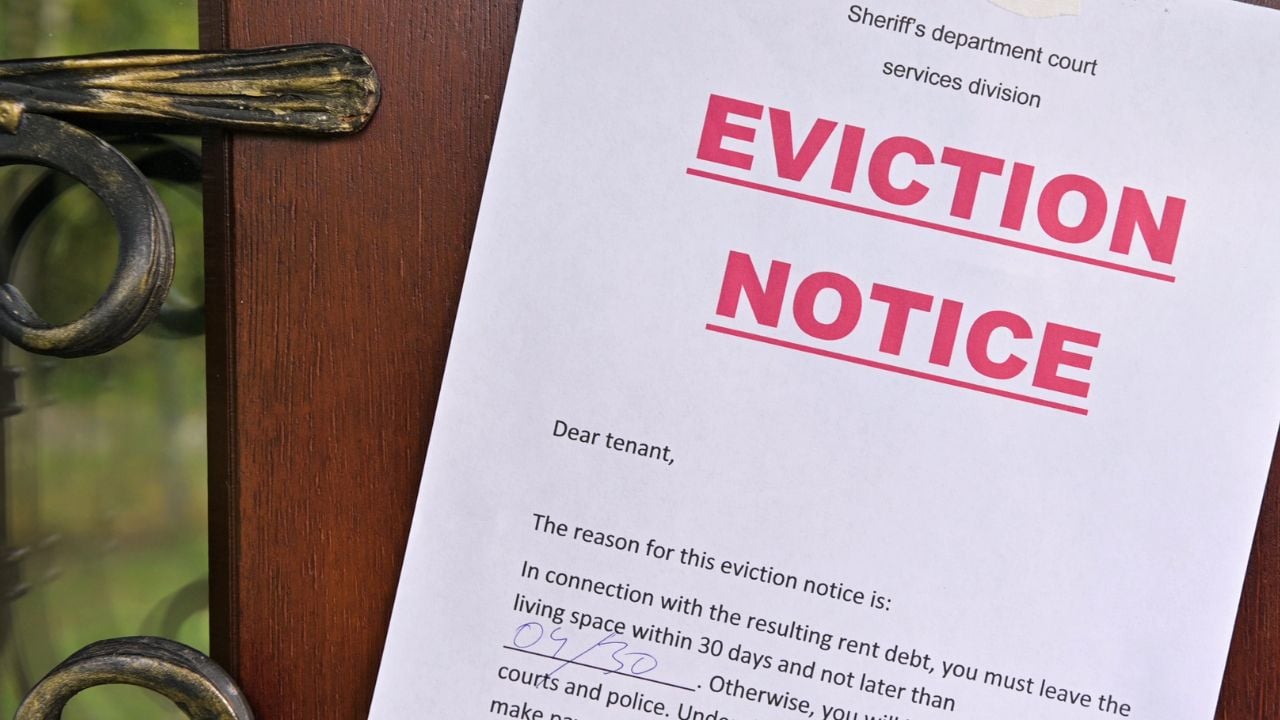
Fall behind on rent, and the landlord serves a notice to pay everything or leave within three business days.
Then they can file.
The dispossessory case, Georgia's name for an eviction lawsuit, lands in your county's magistrate court, where there's no jury and no months of waiting.
A DeKalb County filing can reach a courtroom within weeks.
The three days come from House Bill 404, the same Safe at Home Act that capped your deposit.
Before it took effect in July 2024, a landlord could demand possession and file the same day.
That cushion is only two years old, and it's still just three business days.
8. Never Install Air Conditioning
No Georgia law requires a landlord to provide air conditioning, and an August afternoon in Macon is exactly when renters find that out.
The landlord must keep the heat, the plumbing, and the electrical systems running.
Cooling never made the list.
Even the 2024 habitability law, which requires every rental to be fit for human habitation, stopped short of naming air conditioning.
Two caveats protect you anyway.
The landlord must repair the air conditioning the unit came with.
And once an eviction case starts, shutting off a tenant's air conditioning before the case ends is illegal.
9. Rent Without a License
Selling houses for other people takes a state real estate license.
Renting out a dozen of your own takes nothing.
The licensing law exempts owners managing their own property, and the state runs no landlord registry and no rental inspection program.
Nobody tests them, nobody trains them, and no state office keeps a list.
There's no bar to clear.
The retiree renting out a Fulton County ranch house and the company running 500 apartments in Sandy Springs answer to the same thin set of rules.
Hire the work out, though, and the state draws a line: A property manager who leases and collects rent for somebody else, for a fee, does need that license.
The owner next door with a key ring and a mailbox full of rent checks never will.
9 Georgia Squatter Laws That Cost Homeowners Who Ignore Them

A "For Sale" sign goes up on an empty house in DeKalb County, and three months later, somebody else is mowing that lawn like they own it.
Sometimes they believe they will, and Georgia law gives them a path to try.
9 Georgia Squatter Laws That Cost Homeowners Who Ignore Them
7 Phone Scams Hitting Georgia Retirees Hardest This Summer

Think you'd hang up on a scammer in the first ten seconds?
So did everybody who didn't, and the scripts working on Georgia retirees this summer come with real names and real phone numbers.
