
9 Things an Ohio Home Inspector Usually Isn’t Required to Check

A home inspector in Ohio has only had to carry a state license since November 1, 2019, when Senate Bill 255 took effect.
That’s barely seven years of oversight.
Even with a state rulebook now in place, Ohio still doesn’t make inspectors check everything a buyer assumes is covered.
These are the things an Ohio home inspector usually isn’t required to check.
Note: This is general information, not legal advice. Ohio’s home inspection standards and licensing rules are subject to change, so confirm current requirements with the Ohio Home Inspector Board.
1. Sewer Line
Ohio’s standards of practice don’t require a home inspector to check the sewer line running from the house to the street.
The state’s rule excuses licensees from inspecting anything buried underground, sewer pipe included, whether it’s still working or long abandoned.
Nobody climbs down to look.
A cracked clay pipe under an older Ohio house can sit unnoticed for years, backing up slowly enough that a buyer never sees it during a walkthrough.
Ohio buyers who want that line checked pay a separate contractor to run a camera through it.
What Ohio’s “Standard of Practice” Means
Ohio’s standard of practice is the rulebook that state law tells every licensed home inspector to follow.
Lawmakers built it as a floor, not a full survey, so it sets the minimum a licensee must check rather than everything a curious buyer might want inspected.
2. Septic Systems and Private Wells
Ohio doesn’t require a home inspector to evaluate a septic system or test a private well, even on a rural property that depends on both.
The same underground-items rule that skips the sewer line also lets inspectors skip septic systems and wells, whether abandoned or active.
No inspector runs the tests.
Buyers who rely on a well or a septic tank in Ohio typically pay a specialist to check both before closing, since the standard home inspection stops at the yard.
3. Buried Oil Tanks and Other Underground Storage Tanks
An Ohio home inspector isn’t required to check for a buried oil tank left behind by an older heating system.
Storage tanks fall under the same underground exclusion as the sewer line and the septic system, whether a tank still holds fuel or was abandoned decades ago.
Many older Ohio homes switched from oil heat to gas heat at some point, and not every leftover tank got dug up.
It’s still down there.
That’s an environmental and resale risk a standard Ohio inspection doesn’t cover.
4. Chimney Interiors and Flue Linings
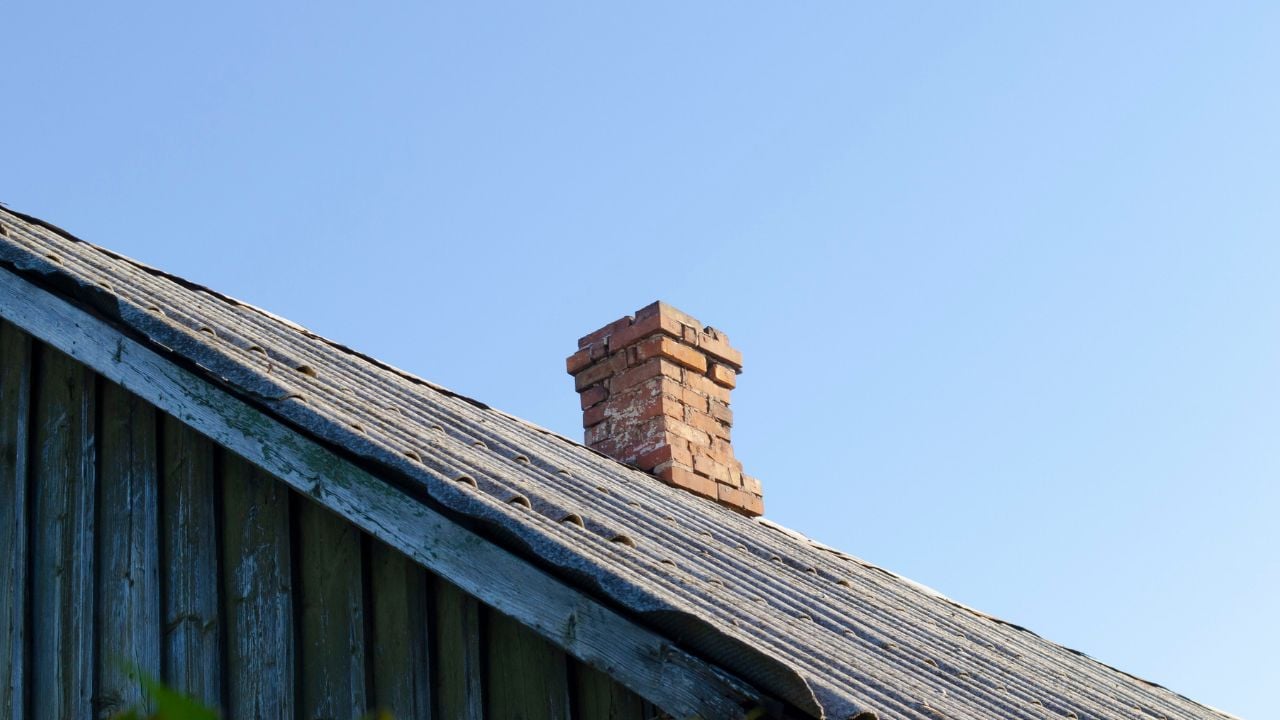
An Ohio home inspector checks the chimney from the roof, notes any obvious damage, and stops there.
Interior flues and vent liners that aren’t readily accessible fall outside the standard inspection, under both the roofing and heating sections of the state’s rule.
That part goes unseen.
A cracked liner can leak carbon monoxide or heat into the wall cavity next to it for years before anyone notices.
The inspection report will describe the chimney’s exterior condition and say nothing about what’s happening inside the flue.
5. Swimming Pools and Spas
Does Ohio’s home inspector standard reach the pool in the backyard?
Not according to the state’s rule: Spas, saunas, steam baths and swimming pools all sit on the same excluded list as detached structures.
The equipment stays unchecked.
Buyers with a pool on the property usually hire a certified pool inspector to check the equipment and the structure separately.
A standard home inspection only notes that the pool exists.
6. Detached Structures Other Than the Garage
Behind many Ohio houses sits a pole barn, a shed, or a detached garage that the state’s home inspector never walks into.
A standard inspection skips any detached building besides a garage or carport, so a shed, a pole barn, or a guest cottage never gets a look.
It stays off the list.
Its wiring, its roof, and its foundation all go unchecked right along with it.
That back building can sit there for decades without a single line in an inspection report ever mentioning it.
7. Whether Smoke Alarms and Security Systems Work
Ohio’s rule stops at noticing whether a smoke detector or carbon monoxide alarm is present in the house.
It doesn’t have to work.
The same rule doesn’t require testing those alarms, checking security systems, or figuring out how old any of them are.
A ten-year-old smoke detector with a dead battery looks identical to a brand-new smoke detector from across the hallway.
Buyers who want proof it works have to test it themselves after moving in.
8. Common Areas in a Condo or HOA
Does an Ohio home inspector ever get inside the shared hallways, roof, or parking structure of a condo building?
Not under the standard scope: An Ohio home inspector covers the unit itself, not the building around it.
Common areas in condominium or cooperative housing aren’t part of that scope either, no matter how much of the monthly fee goes toward maintaining the homeowners association (HOA).
The HOA owns that job.
A buyer moving into a condo who wants the shared roof, siding, or parking structure looked at has to ask the HOA instead.
The homeowners association keeps the reserve study and the maintenance records the inspector never sees.
9. Whether the Home Meets Current Building Codes
An Ohio home inspection report can pass a house that would never pass a code inspection.
The state’s standards excuse a licensee from offering an opinion on whether a system complies with any code, regulation, or ordinance, past, present, or future.
Codes change.
Houses don’t get rebuilt every time they do.
An electrical panel installed decades ago can still pass an Ohio inspection today if it’s working safely.
That panel still wouldn’t meet the code a new build has to follow.
The Fairly New Home Inspector License
Ohio’s requirement that a home inspector carry a state license took effect on November 1, 2019, under Senate Bill 255 from the 132nd General Assembly.
Before that date, anyone could call themselves a home inspector in Ohio with no license, no exam, and no state standards to follow.
The Ohio Home Inspector Board now requires at least 80 hours of approved coursework and a passing score on the National Home Inspector Examination.
The Division of Real Estate and Professional Licensing issues the license once those requirements are met.
The timeline is short.
The newness helps explain why the scope reads like a floor instead of a full survey.
Lawmakers built the rulebook to weed out unqualified inspectors first.
The fine print about sewer lines, tanks, and pools came together with everything else.
Psst! How much do you know about Ohio home inspections? Flip through these cards and see how many you get right.
The Extra Inspections Buyers Often Add
Ohio home buyers who want the gaps above covered usually end up paying for more than one inspection before closing.
A sewer-line camera scope catches root intrusion and cracked clay pipe that the standard inspection skips.
Nobody requires it.
Radon is a blind spot too, and it’s statewide.
Ohio’s health department recommends testing every occupied home in the state for radon, not just homes in a handful of counties.
That testing sits outside a standard home inspection.
A well or septic system gets a specialist too, usually the same contractor who handles new installations and routine pumping.
None of these add-ons are required by Ohio law.
Ohio’s health department also directs homeowners to a program for free radon test kits, so a radon check doesn’t have to start with a paid specialist.
8 Utility Shutoff Rules Many Ohio Customers Learn About Too Late
Ohio requires a utility to give a customer 14 days’ written notice before shutting off power or gas.
What doesn’t show up in that notice is everything that can undercut it, from a one-time-only program to a protection that disappears the moment a payment plan slips.
8 Utility Shutoff Rules Many Ohio Customers Learn About Too Late
8 Things Ohioans Believe About Their Own State That Aren’t True

Every Ohio history class says the state joined the Union in 1803, but Congress left a piece of paperwork on that unfinished for generations.
These are the widely repeated claims about Ohio that turn out to be false once someone checks the record.
8 Things Ohioans Believe About Their Own State That Aren’t True
