
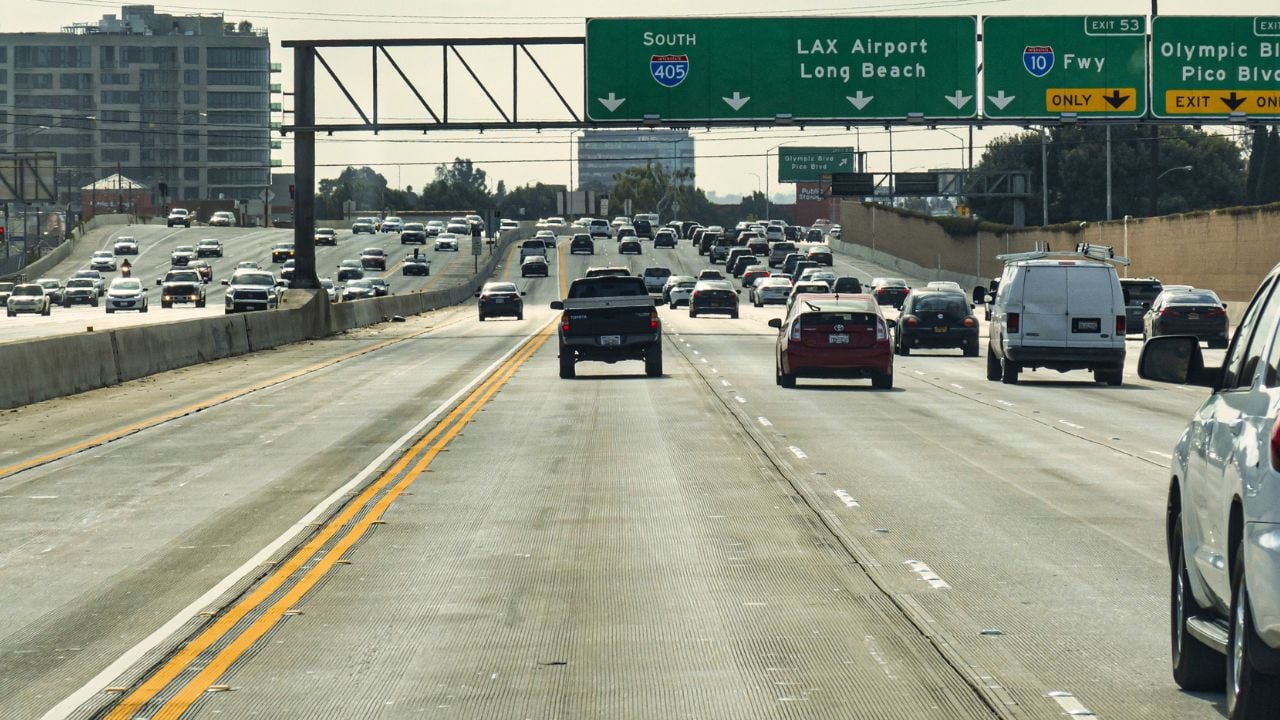
9 Things Californians Apologize For That Nobody Else Thinks Is Rude

A cashier at a Sacramento grocery store slides your last item across the belt and asks if you brought bags.
You say “sorry,” like you did something wrong.
These are the things Californians apologize for that nobody else would ever think twice about.
1. Correcting a Town’s Name
Californians will let almost anything slide, except how a visitor says Los Feliz.
The neighborhood is pronounced “lohs FEE-luss.”
Newcomers almost always reach for the more Spanish “lohs feh-LEEZ” instead.
Same story with San Pedro, which locals pronounce san-PEE-dro, and La Jolla, which somehow comes out la HOY-uh no matter what the spelling suggests.
A Californian who fixes any of it almost never just fixes it.
Ask a Bostonian how to say Worcester, or a New Orleanian how to say Tchoupitoulas, and the correction comes back flat, no apology first, and nobody involved calls it rude.
“Sorry, I don’t mean to be that person, but it’s…”
2. Turning Down a Drink
Californians can decline a cocktail and still feel like they owe the room an explanation.
Los Angeles built an entire scene around not drinking.
A sober bar pop-up in Venice has pulled lines as long as the boozy lounge next door, and non-alcoholic brands backed by celebrities now fill a whole shelf at many grocery stores.
A national Gallup poll found a sharp drop in how many adults ages 21 to 35 say they drink even moderately, with most of them saying they don’t drink at all.
None of that stops the apology.
“Sorry, I’m not drinking tonight” comes out of a Californian’s mouth even when nobody asked, and even though half the bar isn’t drinking either.
A bartender in many other states pours the club soda and moves on without expecting a reason.
3. Naming the Safe Spot
Californians walk a houseguest through earthquake safety within the first ten minutes of a visit.
Stand under this doorway.
Move away from that mirror.
Here’s where the water shuts off.
None of it was requested.
The state runs on ShakeAlert, an early-warning system that reaches more than 50 million people across California, Oregon, and Washington through apps that can flag a quake seconds before the shaking starts.
Growing up with that kind of warning built into daily life turns a Californian into an instructor without being asked.
The apology comes folded into the delivery anyway, tacked onto safety pointers nobody asked for.
A host in Tornado Alley points a guest toward the basement the same way, unprompted, no apology attached. Nobody hearing it calls that rude. It’s just what a good host does before the weather turns.
A Californian walks the guest through the doorway and the water shutoff anyway, same instinct, just earlier in the visit.
4. Blaming the Freeway
Californians rarely just say they’re running late.
They name the freeway.
Los Angeles drivers lost 87 hours to traffic congestion last year, the fourth-worst commute of any city in the country, behind only Chicago, New York City, and Philadelphia.
So a 15-minute delay comes with an itinerary.
Which exit backed up, which lane closed, how long they sat there watching the same three cars.
None of that extra detail is what makes anyone late. The driver is just naming the freeway out loud.
Elsewhere, a longer traffic story is just someone finishing their sentence. Nobody hears three details instead of one as an imposition worth an apology.
In California, the apology comes first anyway.
5. Forgetting Their Bags
Californians apologize to the cashier before the cashier even asks.
Every grocery store, pharmacy, and convenience store in the state stopped handing out plastic bags at checkout as of January 2026.
The choice now is bring your own bag or pay a dime for paper.
A shopper who walks in empty-handed says sorry like they broke a house rule.
Nobody else in the checkout line even blinks.
None of this makes forgetting a bag an offense worth an apology.
Not a crime.
A grocery store elsewhere in the country still hands over a plastic bag without a second thought, no apology required on either side of the register.
Forgetting a bag was never rude, not in California and not anywhere else.
California’s Bag Rules, Explained
California’s bag law didn’t start out this strict.
A law passed in 2014, which took effect statewide in 2016 after voters approved it, let stores keep selling a thicker plastic bag as a “reusable” option, as long as they charged at least a dime for it.
A newer law closed that loophole at the start of 2026, so those thicker plastic bags are gone too, leaving only cloth or canvas reusable bags, or paper bags, at the register.
Shoppers using the Women, Infants, and Children (WIC) program or California’s Electronic Benefit Transfer (EBT) card skip the paper bag fee.
Psst! How much do you know about California’s history and geography? Take our quiz and see how many you can get right.
Quiz
The Golden State Quiz
Answer these questions on California history and geography. We bet you can’t get them all right. Prove us wrong?
Which city is California’s state capital?
6. Calling It "the 405"
Southern Californians can't say a freeway number without an article in front of it.
"The 405." "The 101." "The 5."
The habit dates back to before 1964, when Los Angeles freeways carried names instead of numbers, things like the Cahuenga Pass Freeway or the San Bernardino Freeway.
People kept saying "the" even after the state switched everyone over to numbers.
Northern California never picked up the habit, and neither did much of the rest of the country.
Just Southern California.
A Southern Californian who slips into it around a Bay Area friend usually catches themselves and half-apologizes with a laugh.
Nobody driving on I-90 in Ohio or I-95 in Georgia has ever once needed that "the" explained, let alone apologized for it.
7. Asking for No Smoking
Californians will apologize before they even finish the sentence.
Californians will apologize before they even finish telling someone they can't smoke on the sand here.
California banned smoking and vaping at every state beach and park in 2020, with fines of up to $25 for anyone caught lighting up.
A local pointing that out isn't being a rule-follower for fun.
They're trying to keep a stranger from getting a ticket.
The apology comes out first anyway.
Every time.
On a beach in many other states, nobody would think to say sorry for mentioning a rule that isn't even theirs.
8. Canceling a Fire Pit Night
Californians in the Bay Area check an air quality alert before they light a match.
The region's Spare the Air program bans fireplaces, wood stoves, and outdoor fire pits on any day pollution runs high, with a fine that starts at $100 for a first violation.
Californians cancel a planned bonfire with almost no warning once an alert lands.
No fire tonight.
An apologetic group text goes out within the hour, blaming a Spare the Air day for the change of plans.
A host on the Gulf Coast cancels a cookout the same way the moment a hurricane watch goes up, same short notice, same no-fire-tonight text, and nobody on the receiving end calls that inconsiderate.
A Californian still sends the apologetic text anyway, as if the cancellation needs defending.
9. Ordering the Not-So-Secret Menu
Californians still apologize to the cashier for an order the chain has heard a million times.
In-N-Out Burger opened its first stand in Baldwin Park in 1948, and Animal Style became part of the menu culture in 1961 after customers kept requesting it.
Protein Style, Animal Style, extra spread, a Flying Dutchman with no bun at all.
None of it confuses the person at the register.
Californians apologize for a long order anyway, every single time, at every single location.
Not sorry.
The chain built its whole menu around requests exactly like it.
A cashier anywhere else in the country would just ring it up without blinking. A customized order isn't an imposition, it's just an order.
15 California Beach Habits That Baffle Visitors From the East Coast
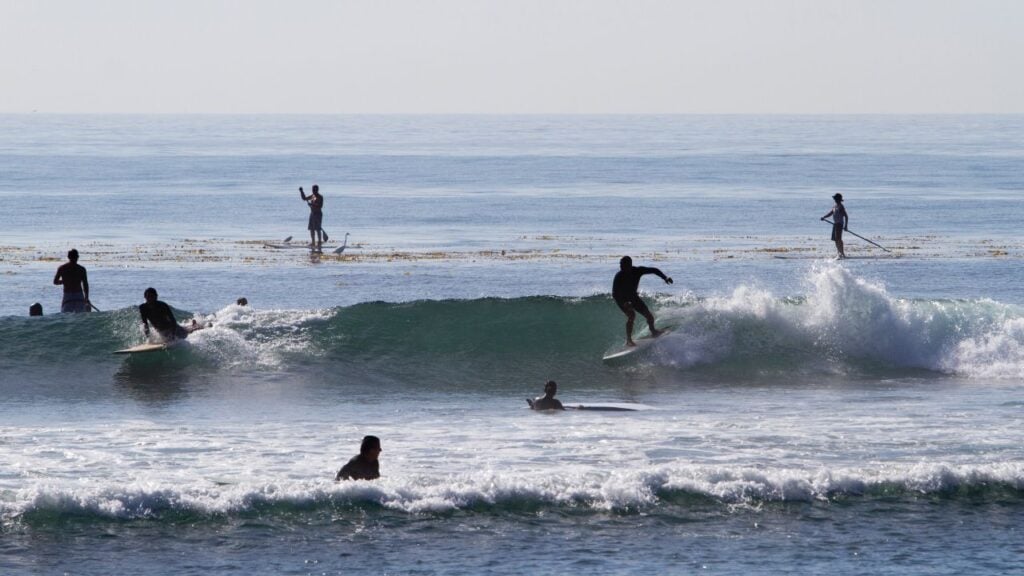
A family waits on a California beach at midnight in August, watching the sand instead of the water.
They're not lost. They're grunion running, and it's one of fifteen beach habits that make total sense to a local and none at all to a visitor from the East Coast.
15 California Beach Habits That Baffle Visitors From the East Coast
8 Things California Fast Food Workers Won't Tell You
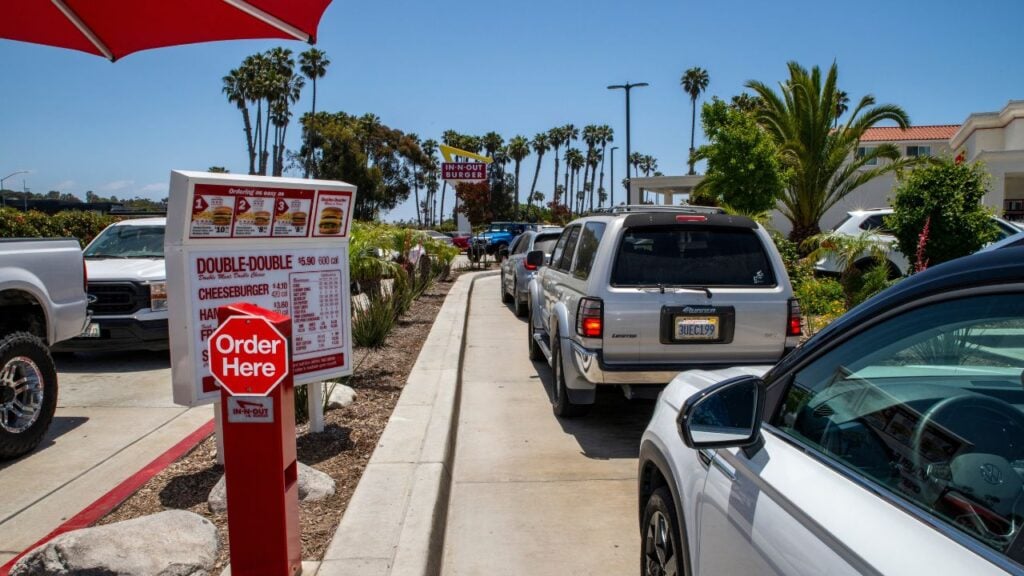
A worker waves a California drive-thru customer into an empty parking spot instead of just handing over the bag at the window.
It's one of eight things California fast food workers rarely explain to the customers they wave off to park.
