
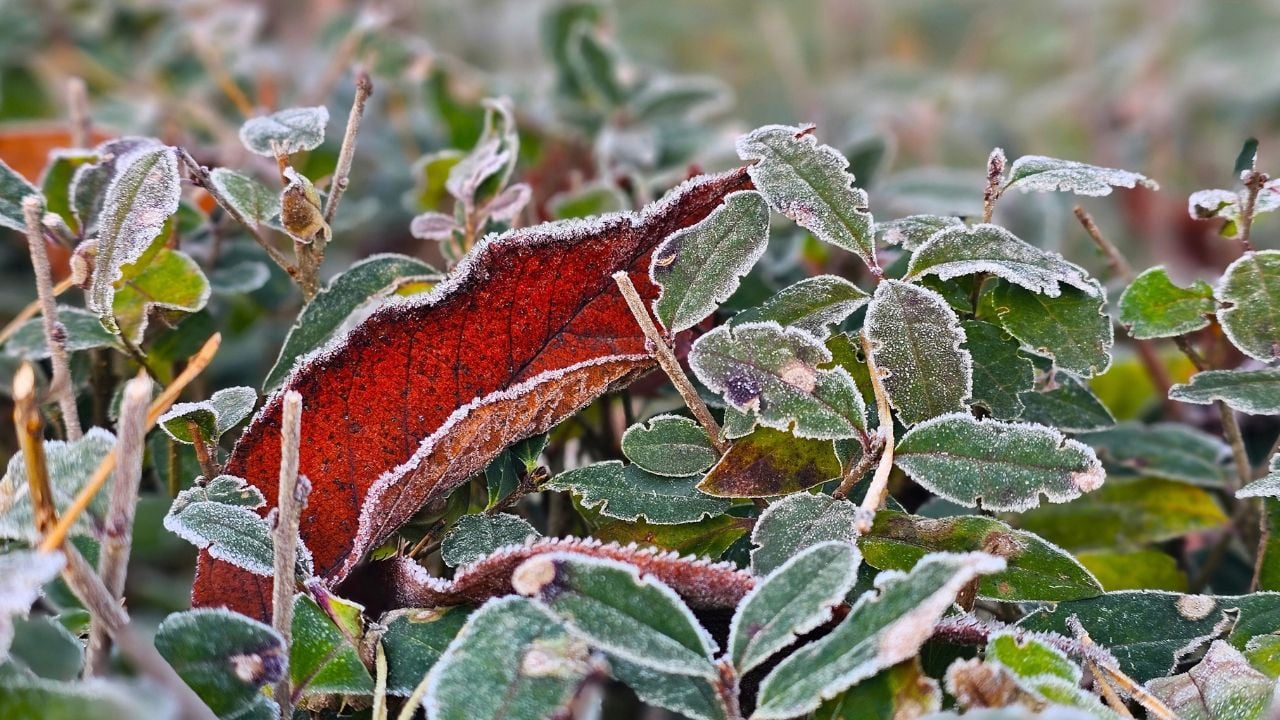
9 Things Idaho Gardeners Get Wrong About the First Freeze

A gardener in Nampa checks the ditch bank one more time before dark, watching the water run lower than it did that morning.
It won’t run much longer.
The Nampa & Meridian Irrigation District closes its canals for the season within the first week of October. That lands right as the first hard freeze warnings start showing up.
These are the things Idaho gardeners get wrong about the first freeze.
1. Mistaking a Frost for a Freeze
Gardeners get two different warnings on the same October forecast.
The two aren’t interchangeable.
A frost advisory is a light, patchy chill that can scorch the most tender leaves while the rest of the bed stays alive.
A hard freeze is the one that matters.
Southwest Idaho forecasters call it a hard freeze once the ground drops to 28 degrees or colder.
That’s cold enough to reach past a light row cover.
Mix up the two, and the mistakes go both ways.
A gardener panics over a frost advisory the tomatoes shrug off, or ignores a hard freeze warning that kills them outright.
Frost, Freeze, and Hard Freeze, by the Numbers
Idaho’s fall forecasts use three different terms for the cold, and a garden reacts to each one differently.
A frost advisory covers ground temperatures at or below 36 degrees, cold enough to ice over a windshield without necessarily killing a hardy plant.
A freeze warning means the temperature is expected to fall to 32 degrees or colder.
A hard freeze means 28 degrees or colder, the number that usually decides which plants make it to the next morning.
2. Racing to Strip the Tree Bare
Backyard apple and pear trees around the Treasure Valley don’t need to be emptied the moment the first frost warning goes out.
The tree usually isn’t in trouble yet.
Fruit still on the branch can ride out several light freezes with little injury.
Apple flesh doesn’t start to freeze until around 29 degrees, and a short dip rarely lasts long enough to do damage.
Picked fruit is different.
Apples pulled off the tree and left in an unheated garage or shed overnight rarely bounce back from even one hard freeze.
Racing to strip the tree at the first frost warning just bruises fruit that wasn’t in danger yet.
3. Cutting Dahlias Back Too Soon
A dahlia blackened by the first frost looks finished for the season, and the instinct is to reach for the pruners right away.
That’s too soon.
Dahlia stems are hollow.
Cut one back right after that first frost, and it fills with rainwater.
That water travels down into the crown and rots the tubers underneath.
Leave the dead top growth alone instead.
The tubers keep maturing underground even after the foliage is gone.
Wait to cut the stems until right before digging, and they come out sturdier instead of rotten and mushy by spring.
4. Letting the Beds Go Dry
Cutting back on watering the moment a freeze warning appears feels like the responsible way to wind down a garden for the season.
Moist soil holds more heat than dry soil and conducts it better.
That warmth radiates back up around the roots overnight as the ground slowly freezes.
Cutting off water right as the cold moves in gives up exactly the protection those roots need most.
Dry, drought-stressed plants have even less cushion against the cold on top of that.
Watering the ground a day or two ahead of a hard freeze is one of the cheapest protections in the garden.
Holding off once the cold arrives matters too, and it’s the step many beds skip.
5. Draping Plastic Onto the Leaves
A painter’s tarp or a trash bag from the garage becomes the emergency cover the night a freeze warning catches a tomato patch off guard.
That’s a mistake.
Plastic that touches the foliage can cause freeze burn.
It conducts the cold straight into the leaf instead of blocking it.
Everywhere the plastic presses against a leaf turns black by morning.
A breathable frost cloth or an old bedsheet propped on stakes never touches a single leaf.
It traps a pocket of warmer air underneath instead, which is the whole point of covering a plant.
6. Mulching Before the Garden Goes Dormant
The same weekend the first frost warning goes out, mulch often goes down on perennial beds before the roots underneath have gone dormant.
Mulch piled on that early traps warmth in the soil.
That can delay dormancy and leave the plant more exposed to cold injury once winter settles in.
A layer that thick also builds a warm little apartment for the season.
Straw and other loose mulch packed in early can shelter mice and other rodents right through the coldest nights.
A bed mulched too soon can end up hosting a nest instead of protecting a root ball.
7. Assuming One Frost Date Fits All
A single statewide frost date is the wrong calendar for an Idaho garden’s actual elevation.
Elevation decides everything.
Boise and the rest of the Treasure Valley average their first fall frost in the early-to-mid part of October.
Idaho Falls and Pocatello sit noticeably higher than the Treasure Valley, and elevation alone is enough to push their first freeze earlier in the fall.
Anyone planning a harvest, a bulb dig, or a frost-cloth night around Boise’s timeline instead of theirs is going to get caught out.
8. Counting on the Canal Too Long
A gardener planning one last pre-freeze soak off a ditch or canal lateral is often counting on water that won’t be there when it matters.
The Treasure Valley’s canal-fed irrigation systems run on a fixed calendar, not the weather.
The Nampa & Meridian Irrigation District’s most recent shutoff notice cut the water on October 6.
The district’s turn-off records show that early-October cutoff repeating year after year.
A gardener who misses that window can’t call the district back for one more week.
The ground dries out fast right as the season’s coldest nights move in, leaving roots with less insulation exactly when they need it most.
The fix costs nothing but timing: Have a hose ready on a municipal spigot before the shutoff notice goes out, not after.
One deep soak while the tap still works beats scrambling for water once the ditch runs dry.
Psst! How much do you know about frost, freezing, and Idaho’s wilder weather? Take our quiz and see if you can ace it.
Quiz
Idaho Frost IQ
Answer these questions on Idaho’s cold snaps, canals, and quirky growing seasons. We bet you can’t get them all right. Prove us wrong?
Which Idaho mountain town has logged a freezing temperature in every single month of the year, including July?
9. Leaving Squash on the Vine
Winter squash and pumpkins sometimes stay on the vine on purpose, left there for a freeze to "toughen up" the rind before picking.
The rind can take it.
The fruit inside can't.
Pumpkins and winter squash are sensitive to temperatures under 45 degrees, even though the shell looks tough enough to handle anything.
A brief dip to the mid-30s can still be reversed by warming the fruit back up soon after.
A hard freeze sitting on an unharvested squash is different, and it shortens how long the fruit keeps in storage no matter how tough the rind looks.
Idaho gardeners who pick their squash and pumpkins ahead of that first hard freeze are still eating them at Thanksgiving.
The vine can freeze solid overnight, and it won't matter, since the harvest is already sitting on a shelf in the garage.
9 Things That Only Make Sense to People Who Grew Up in Idaho
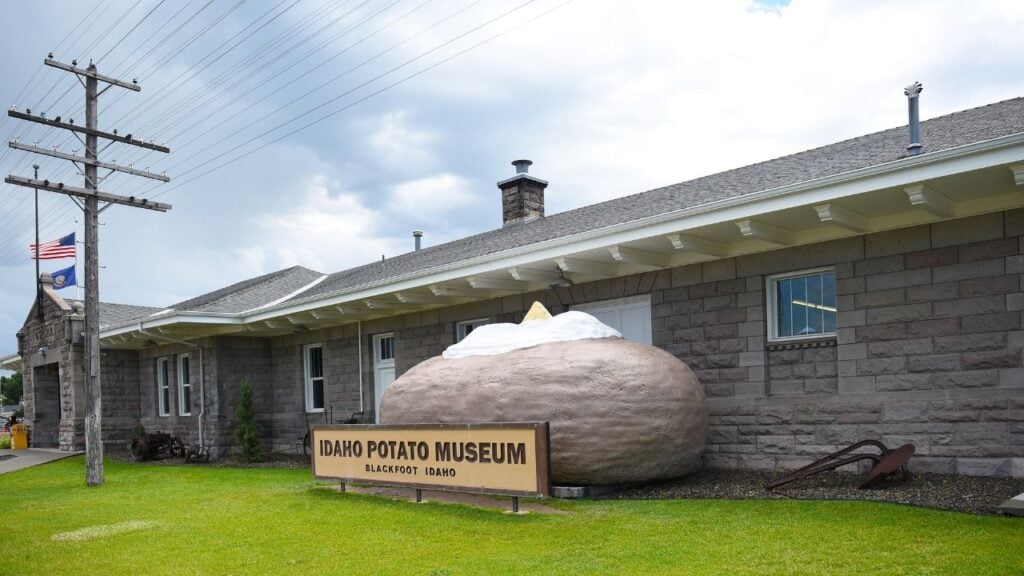
Tell someone from Idaho the state has a working seaport, and they probably won't blink.
Tell someone from almost anywhere else, and the reaction is a lot louder.
9 Things That Only Make Sense to People Who Grew Up in Idaho
