
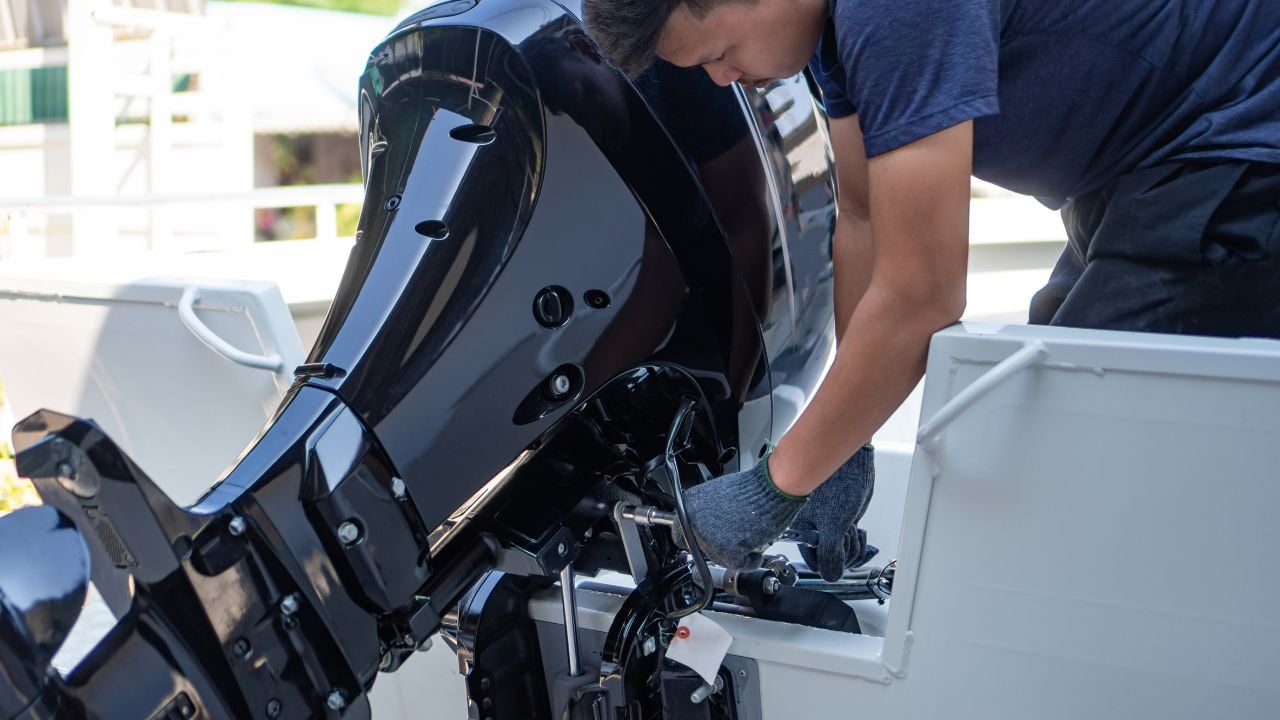
9 Things Louisiana Boat Mechanics Know About an Owner in Ten Minutes

You can tell a boat mechanic you’re careful with your boat.
But your boat gets a turn to tell its side, too.
These are the things Louisiana boat mechanics can figure out about a boat owner in ten minutes.
1. Zinc Anodes
A boat mechanic checks the zinc anodes before almost anything else on the lower unit.
Anodes are supposed to corrode instead of the metal around them, and Mercury Marine’s guidance calls for a fresh one once about half of it has worn away.
A zinc worn past that line in the first thirty seconds under the boat says the owner skipped at least one season of upkeep.
That’s an easy read.
A zinc that still looks brand new after months in the water is the stranger case.
Mercury warns that undamaged-looking anodes can mean the corrosion moved to a costlier part of the boat instead.
Either way, the mechanic already has an answer before the cowling comes off.
2. Gas That Sat Too Long
Before the cowling ever comes off, a mechanic can already smell a stale fuel tank.
Ethanol-blended gas separates once it soaks up too much water, and no additive reverses it once that happens, according to West Marine’s fuel guidance.
A gummed-up carburetor and a sour smell in the tank say the boat sat through a whole hurricane season.
Nobody drained the tank or ran a stabilizer through it first.
Rough start.
That’s the fuel system of an owner who parks the boat at the first cool snap and doesn’t think about it again until redfish season heats back up.
The Math Behind a Ruined Tank of Gas
A boat’s fuel tank can only hold about half a percent water by volume in E10 gas before the fuel fails, according to West Marine.
In a 20-gallon tank that works out to roughly 12 ounces, about a cup and a half.
Cross that line, and the ethanol and water drop out of the gasoline together in one sudden layer instead of gradually.
3. Scars on the Propeller
A propeller’s scars read almost like a logbook to a boat mechanic.
Sharp gouges across the blades match the exact damage Yachting magazine’s repair coverage shows after a propeller runs aground on oyster shell.
Deep gouges say the owner runs that water at full throttle instead of idling through it.
Big mistake.
A propeller with light, even wear instead tells a different story, one where the owner already knows where the reefs sit and slows down well before reaching them.
4. Fishing Line in the Seal
Pull the dipstick on a boat that’s spent the summer working grass edges, and a mechanic already expects trouble.
Milky white gear oil means water worked its way in somewhere, and Boating magazine’s repair guidance points straight at fishing line that melted into the shaft seal and cut it.
That kind of damage builds up after seasons of casting along grass edges without anyone checking underneath the boat.
That seal is done.
The mechanic doesn’t need the owner to explain how often they fish the marsh.
The mechanic already knows before the owner says a word.
5. Corrosion on the Battery Terminals
A battery’s terminals draw a mechanic’s eye almost on reflex.
White, green, or blue crust builds up fast in salt air, and West Marine calls it one of the most common causes of electrical trouble on any boat.
A crusted terminal after one Gulf trip says the owner never rinses the connections or sprays them down before putting the boat away.
Now it’s eating wiring too.
Clean, greased terminals on a boat that’s clearly spent a season in saltwater say the opposite, an owner who wipes them down every time without being asked.
Psst! How much do you know about owning and maintaining a boat in Louisiana? Flip each card and find out.
6. Sludge in the Bilge
Lifting the bilge cover tells a boat mechanic more than almost any other single check.
A float switch buried in old sludge and debris can’t rise with the water around it.
Southern Boating‘s bilge-maintenance guidance says the only way to know a switch works is to flood the bilge and watch it fire.
A stuck switch says the owner has never tested whether the boat’s flood alarm would fire in an emergency.
That’s a gamble.
A clean bilge with a switch that moves freely under a light push says the opposite, and it’s one of the fastest checks in the whole inspection.
7. Growth Below the Waterline
A mechanic can often guess how long a boat sat between trips just by looking at the hull.
Hard barnacle growth can set in within four to six weeks in warm water, faster in the middle of a Gulf Coast summer.
A hull crusted with barnacles on a boat kept in a wet slip says nobody scheduled a bottom cleaning in a while.
That’s a month, tops.
A boat trailered and rinsed after every run stays clean no matter what water it ran in.
Barnacles need saltwater or brackish water to grow at all, never plain freshwater.
8. Grime on the Flush Port
A garden hose is the cheapest tool in a boat mechanic’s whole inspection, and the flush port shows whether an owner ever reaches for it.
A leading boat-towing service’s flushing guide calls for a freshwater flush after every outing in saltwater, brackish water, or silty water, which covers much of coastal Louisiana.
Mercury Marine backs the same routine for its engines.
Dried salt crusted around a flush fitting that’s never been hooked to a hose says the owner skips corrosion’s cheapest habit.
Costs nothing. Skipped anyway.
A port kept clear and a hose bib worn from regular use says the owner treats ten minutes with a garden hose as part of the trip, not an afterthought.
9. Stiffness in the Throttle Cable
Near the end of almost every inspection, the mechanic grabs the throttle lever.
A cable that used to move under light finger pressure and now needs a firm shove usually means trouble.
Corrosion has worked into the wire core, according to marine control-cable guidance.
Salt air speeds up that damage fast in an unlubricated cable.
One quick fix.
A stiff cable on a boat that otherwise looks well kept says the owner tends to what’s in plain sight and skips what’s hidden behind the console.
A shot of marine grease twice a season keeps that cable moving freely for years, cheaper than almost any other fix this far into the boat.
9 Unwritten Rules of Driving in Louisiana That Newcomers Learn the Hard Way
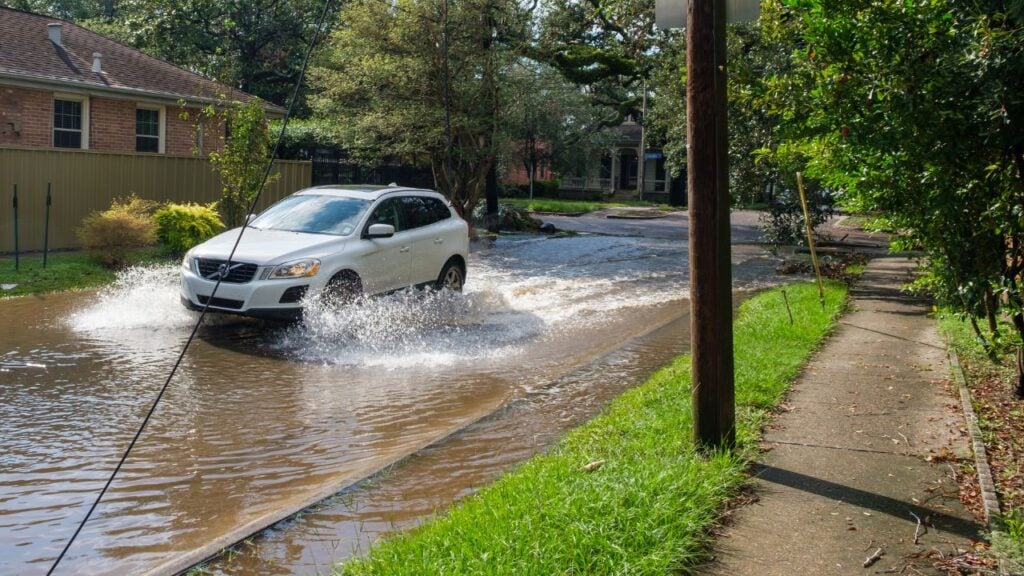
Louisiana’s open container law doesn’t work the way many newcomers assume behind the wheel.
A frozen daiquiri from a drive-thru window is perfectly legal to carry as long as the straw stays taped shut.
9 Unwritten Rules of Driving in Louisiana That Newcomers Learn the Hard Way
9 Louisiana Towns Visitors Skip Because They Never Leave New Orleans

Louisiana has 64 parishes, and New Orleans only sits in one of them.
The other 63 hold small towns that rarely make a visitor’s itinerary, from a settlement older than New Orleans itself to spots many tourists drive straight past.
9 Louisiana Towns Visitors Skip Because They Never Leave New Orleans
