
9 Things New York Building Supers Know About Every Tenant

New York City’s Housing Preservation and Development department now requires every super to hold apartments at 68 degrees during the day and 62 overnight, all the way through May.
That’s the official half of the job.
The unofficial half comes from paperwork, walkthroughs, and daily contact many tenants never think about.
These are the things New York building supers know about every tenant.
Note: This is general information, not legal advice. Rental rules and notice periods are subject to change, so confirm the current requirements with New York City’s Department of Housing Preservation and Development.
1. Kids Not on the Lease
A building super sometimes has to walk into your apartment and check for something no lease ever asks about: Whether a child lives there.
New York City’s window-guard law asks every household with a child age 10 or younger to say so every year, in writing.
A separate law, the city’s Childhood Lead Poisoning Prevention Act, covers younger kids and works differently.
If a tenant doesn’t respond to that notice, the law still requires an inspection to check for a child under six.
No response, no exception.
So a lease with no kids listed can still get a knock on the door every year, and the person knocking is the super, not a stranger from the city.
2. Inside Your Apartment
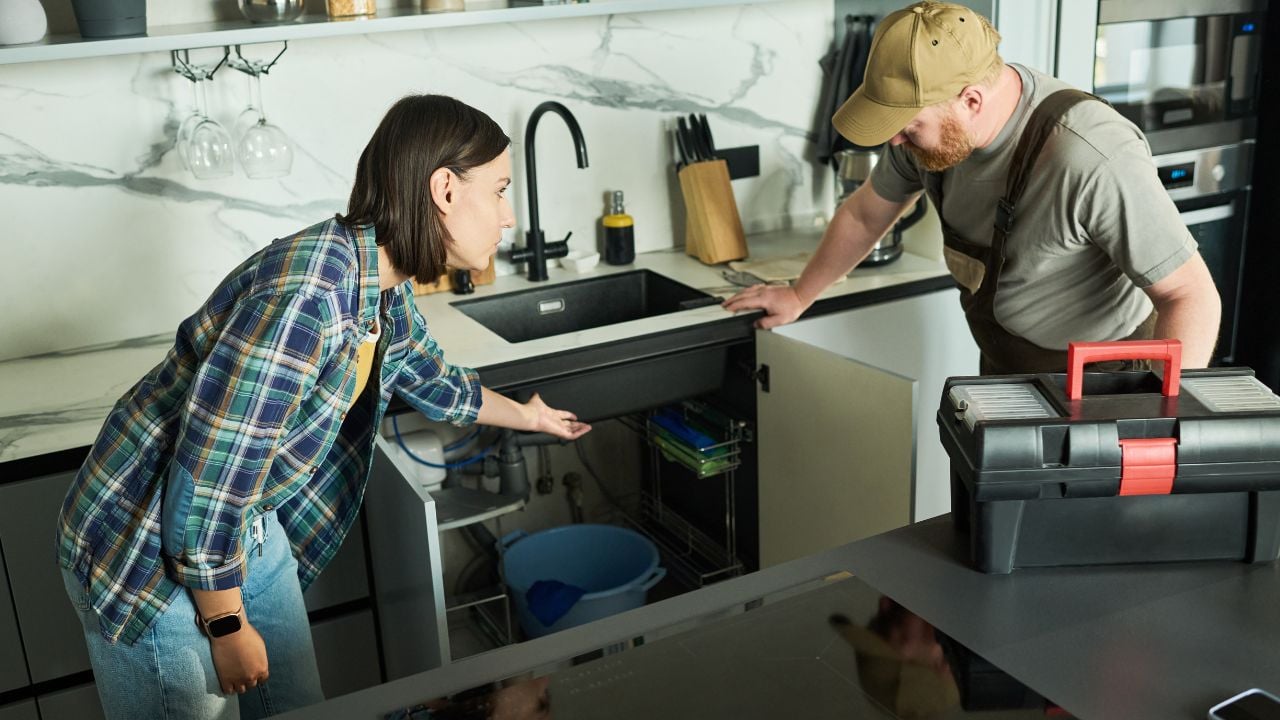
The super has a reason to be inside your apartment that has nothing to do with curiosity.
New York City’s Housing Maintenance Code gives the super a right of entry to make repairs, so the inside of your unit isn’t exactly private.
A leaky faucet, a stuck window, or a broken cabinet hinge is enough to bring the super through your front door.
Nothing stays hidden long.
A super clocks the second toothbrush by the sink, the dog the lease says isn’t allowed, and the mattress in the room marked as an office.
3. Your Repair-Call Habits
A building super keeps a running sense of who tips well at the holidays and who never does.
That tracking comes with the job, since tipping is one of the few ways a super’s income moves at all.
A super also notices how you bundle repair requests, whether you wait until three things break before calling once or ring the buzzer over a single loose hinge.
Either way, they remember.
A tenant who calls constantly for tiny fixes reads differently to a super than someone who saves up a list.
Both patterns say something about how a person lives, not just how a faucet works.
4. Your Moving Day
Your super usually knows your moving date before your neighbors do.
Many buildings require a freight elevator reservation days or weeks ahead, insurance paperwork included.
The super usually blocks off the elevator and pads the walls before the truck ever shows up.
Every time.
A super can read the whole move off that reservation alone.
By the time a moving crew rings the buzzer, the super has known about the move for weeks.
The super often has a decent guess at how much furniture is coming too, based on the size of the elevator reservation.
5. Your Move-Out Walkthrough
The super often walks your apartment before your last box goes out the door.
During that walkthrough, the super forms a firsthand opinion about how you treated the place.
State law only lets a landlord keep part of a security deposit for damage beyond wear and tear.
A super develops the eye to separate the two on sight after years of running the same walkthrough.
A landlord can’t touch it for a mark the last tenant left or for a floor that simply aged over time.
That line isn’t always obvious.
A super who has done this for years can usually tell, within a few minutes, whether you took care of the apartment or just lived in it.
State law also gives the landlord only 14 days after you move out to send an itemized list of any deductions.
A super’s on-the-spot read of the apartment often becomes the basis for that list before the clock runs out.
A worn doorknob and a broken doorknob look nothing alike, and a super can spot the difference from across the room.
Psst! How much do you know about New York’s apartment building history? See how many of these you can get right.
Quiz
New York Tenement IQ
Answer these questions on tenement laws, union history, and building rules, and see how many you get right.
New York’s first tenement law came in 1867. What did that law require?
6. Your Mail and Packages
In many buildings without a doorman, the super signs for a package when nobody answers the buzzer.
That means a super sees more shipping labels than many tenants would guess, from prescription deliveries to a name that never matches the name on the lease.
A super picks up on plenty just from the label alone, without ever opening a single package.
Not once.
A super picks up on a steady run of medical-supply boxes or a name that keeps repeating, the kind of detail no lease ever mentions.
7. Your Winter Heat Complaints
New York's heat season runs from October 1 through May, and it holds every super to the same 68-degree daytime minimum the whole stretch.
A super hears about every apartment that dips below that number, and every apartment that never does.
Top-floor apartments and units over an uninsulated wall tend to lose heat first.
Apartments near the boiler room or on a low floor often run warm no matter the thermostat setting.
Tenants on those two floors would swear they live in different buildings.
Same building, different world.
That history is why the super gives some apartments a same-day visit and pencils others in for later in the week.
The Numbers Behind a Heat Complaint
A New York City building only has to hit that 68-degree daytime minimum once the temperature outside drops below 55 degrees.
A mild fall afternoon with a cold radiator isn't automatically a violation.
Hot water follows a separate rule: New York City requires a minimum of 120 degrees all year, heat season or not.
8. Your Pest Complaints
The super often gets the first call about a bedbug, long before the paperwork ever catches up.
New York City requires an apartment building to file its bedbug-infestation history every year, whether or not anything happened.
A licensed exterminator needs access to the affected unit, and often the neighboring units too, so the super arranges every appointment and unlocks every door.
Nobody has to ask twice.
A super also tends to remember which tenant let the exterminator in right away and which tenant put it off.
Delayed access is often what turns one unit's bedbug into a floor-wide problem.
9. Your Trash and Recycling
A building super hauls every bag of trash and bin of recycling out of the building, which means your garbage passes through their hands before it reaches the curb.
A super watching a recycling bin fill with cardboard several times a week can tell a household is doing a lot of online shopping.
No guessing needed.
When a bin stays nearly empty week after week, a super reads that as a different kind of household.
A super also notices smaller shifts, like the same coffee brand's grounds every morning or grocery bags that suddenly turn into a stack of takeout containers.
That kind of switch is the sort of thing a super catches before anyone else in the building does.
8 Things New York City Leases Ban That Residents Do Anyway
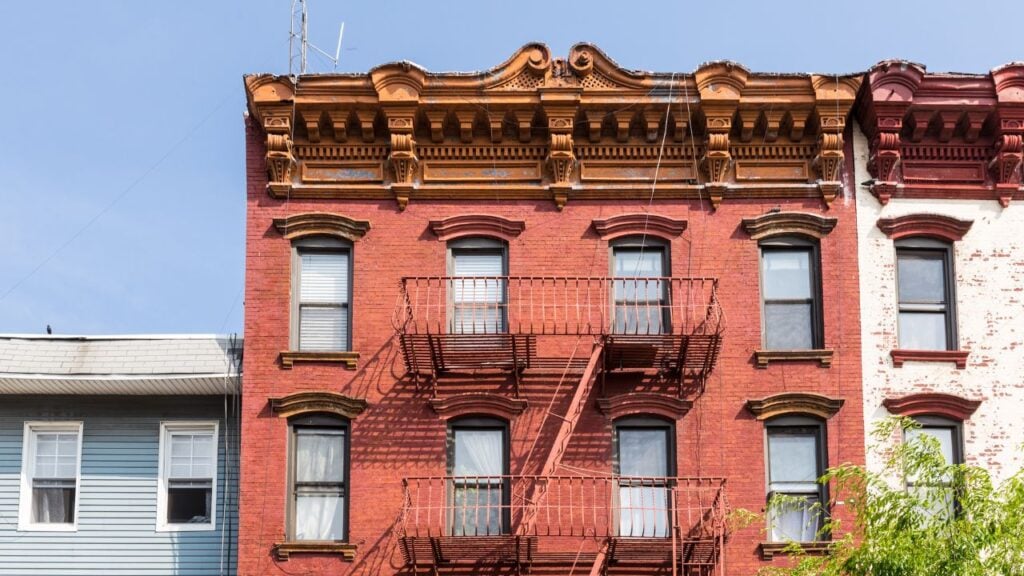
Some New York City lease clauses make perfect sense the moment you read them.
Many tenants break the odder clauses anyway, from a grill parked on a fire escape to a washing machine nobody approved.
8 Things New York City Leases Ban That Residents Do Anyway
8 Ways a Door-to-Door Energy Deal in New York Can Raise Your Power Bill

New York's Public Service Commission ordered $50 million in refunds after door-to-door reps switched customers into a bad energy deal.
A New York resident who says yes to a rep at the door can end up paying more than the utility company would have charged in the first place.
8 Ways a Door-to-Door Energy Deal in New York Can Raise Your Power Bill
