
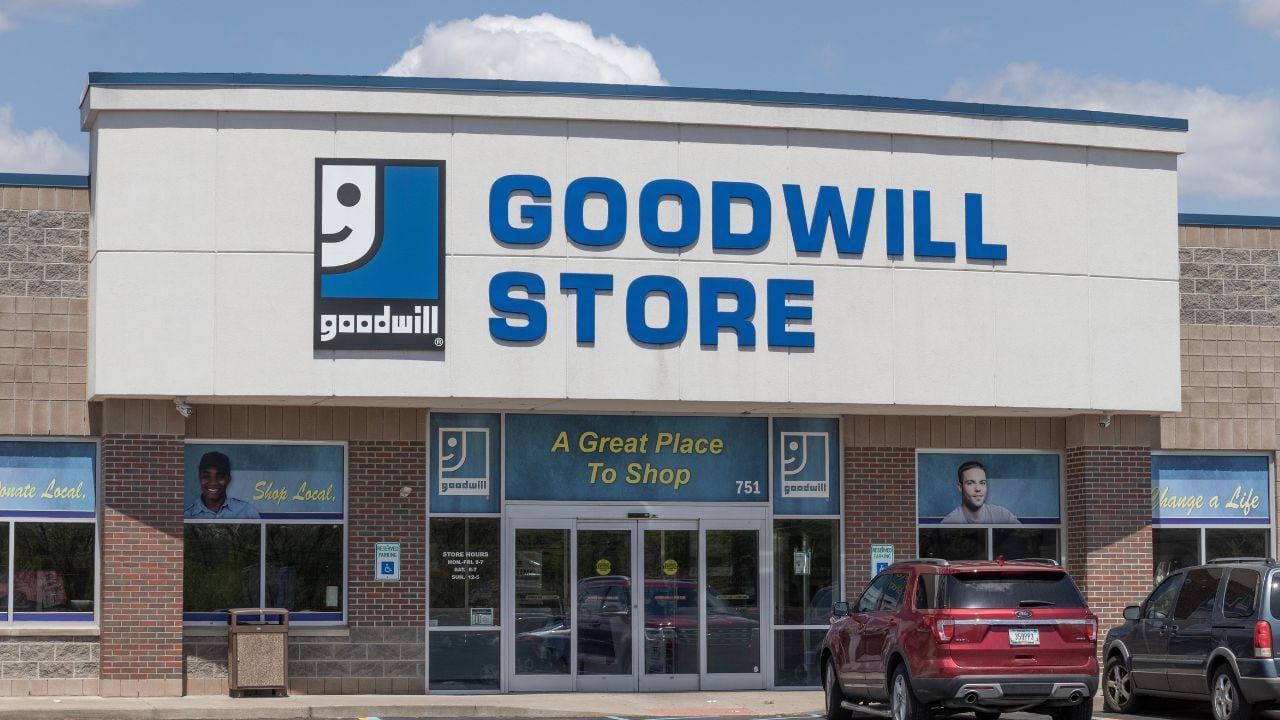
9 Things North Carolina Thrift Stores Refuse to Take

North Carolina can fine a store $2,500 for reselling a single mattress that was never sanitized and tagged.
That’s one law among many.
Goodwill, the Salvation Army, and Habitat for Humanity’s ReStores each keep their own list of items they can’t put on the sales floor, and the reasons range from state law to liability.
These are the donations North Carolina charities turn down more often than shoppers realize.
The list isn’t the same at every branch.
Note: This is general information, not legal advice. Donation and resale rules are subject to change.
1. Recalled Car Seats, Cribs, and Baby Gear
Many North Carolina Goodwill stores turn away car seats and cribs, and it’s rarely about how clean the item looks.
Goodwill Industries of the Southern Piedmont, which runs stores across the Charlotte area, lists car seats and drop-side cribs among the donations it flatly won’t shelve.
Federal rules from the Consumer Product Safety Commission (CPSC) bind a thrift store counter the same way they bind a factory floor, and they cover charities and yard sales, not just manufacturers.
No exception for good intentions.
Why a Recalled Car Seat Never Makes It to a North Carolina Thrift Store
Reselling a recalled car seat breaks federal law the moment anyone tries.
That covers a North Carolina thrift store, a yard sale, and a stranger on Facebook Marketplace.
The CPSC keeps a searchable recall list of every recalled car seat, crib, and stroller by brand and model number.
Checking it takes about two minutes before you load the trunk.
Cribs carry an extra rule of their own.
Federal regulators banned the manufacture, sale, and resale of drop-side cribs in 2011, after the design was tied to several infant deaths.
2. Mattresses and Box Springs
A used mattress rarely makes it past a North Carolina donation center’s front door.
State law requires any secondhand mattress or box spring to be sanitized and tagged before resale, and a violator can face fines up to $2,500 per mattress.
No tag, no sale.
Many nonprofit donation centers aren’t equipped to run that process in-house.
Goodwill Industries of Northwest North Carolina, based in Winston-Salem, lists mattresses and box springs on its own no-donation list, right beside damaged furniture.
The tag matters more than the fabric.
3. Torn or Stained Upholstered Furniture
Goodwill Industries of Northwest North Carolina rejects couches and chairs that are torn or soiled, and its donation guidelines say so in plain language.
The store doesn’t clean upholstery or make repairs before pricing an item for the sales floor.
That’s the whole rule.
A stain that looks minor at home can look much worse under fluorescent store lighting, and shoppers pass on furniture that looks used past its prime.
No one stitches a rip closed first.
4. Built-In and Gas-Powered Appliances
Salvation Army Family Stores across North Carolina draw a hard line on gas appliances of any kind.
It also turns away built-in ovens, stoves, and dishwashers, since installation and code compliance make them hard to resell safely.
North Carolina’s Habitat for Humanity Triangle ReStore in Wake County holds appliances to an even narrower standard.
It won’t accept a dishwasher or water heater made before 2014, the year federal lead-safety rules for plumbed fixtures tightened.
5. Tube TVs and Broken Electronics
North Carolina’s Goodwill Industries of the Southern Piedmont only sells flat-panel televisions now, and it says so on its Charlotte-area donation page.
A tube-style set, even one that still turns on, doesn’t make the cut.
Neither does anything that’s simply broken.
Goodwill Industries of Northwest North Carolina won’t take TVs, microwaves, or copy machines that don’t power on, since the store has no way to repair them before resale.
It’s not a repair shop.
Psst! How much do you know about the history behind America’s thrift stores? Take our quiz and see how many you can get right.
Quiz
American Thrift IQ
Answer these questions on the history and economics of America’s thrift and donation industry. We bet you can’t get them all right. Prove us wrong?
About how many tons of clothing and other textiles do Americans throw away in a single year, according to the U.S. Environmental Protection Agency’s (EPA) most recent estimate?
6. Paint, Chemicals, and Other Hazardous Liquids
Many North Carolina Goodwill locations won't touch a can of paint or a bottle of chemicals, opened or not.
Goodwill Industries of Northwest North Carolina says outright that it isn't licensed to sell or dispose of hazardous materials, so it refuses anything in that category at the door.
Salvation Army stores follow a nearly identical rule, banning paint or chemicals of any kind under its own donation guidelines.
Kerosene heaters are on the same list.
Federal and state rules both restrict how a nonprofit can legally store or throw away flammable liquids, so many stores would rather say no than risk a citation.
7. Automobile Parts
Tires, batteries, and car seats, the vehicle kind, not the child kind, show up at North Carolina donation counters more often than staff would like.
That's mostly a licensing problem, not a taste problem: Many Goodwill and Salvation Army locations decline auto parts, including engines and body panels, since neither charity is set up to handle automotive disposal or resale.
A cracked windshield or a bald tire carries the kind of liability a thrift store can't take on.
Try a scrapyard instead.
8. Loose Building Materials
North Carolina's Habitat for Humanity Triangle ReStore in Wake County exists to resell building materials, and it still turns away many donations.
Trim and lumber shorter than six feet don't meet its minimum, and neither does sheetrock under two feet square.
Triangle ReStore also turns away loose roof shingles and scrap lumber with the nails still in them.
Even the specialists have limits.
Goodwill takes a simpler approach and refuses building materials altogether, from doors and windows to bricks and concrete, since disposal costs run too high for a general thrift store to cover.
9. Aerosol Cans, Batteries, and Lightbulbs
Goodwill Industries of Northwest North Carolina flags aerosol cans, batteries, and lightbulbs as some of its most common problem donations, small items that seem harmless in a junk drawer.
A punctured aerosol can may ignite, and a leaking battery corrodes everything it touches.
Lightbulbs break easily and can't be sold once they're cracked.
Small doesn't mean safe.
An employee sorting donations by hand is the one who ends up with a face full of aerosol propellant or a battery-acid burn.
That's why a cracked bulb heads straight for hazardous waste, and a leaking battery never makes it past the front counter.
10 Things North Carolina Grandparents Do That Baffle Their Kids
Some habits never translate to the next generation.
North Carolina grandparents keep a handful of traditions and loyalties alive that leave their grown kids completely baffled.
10 Things North Carolina Grandparents Do That Baffle Their Kids
8 North Carolina Mountain Towns That Get Overrun Every Fall
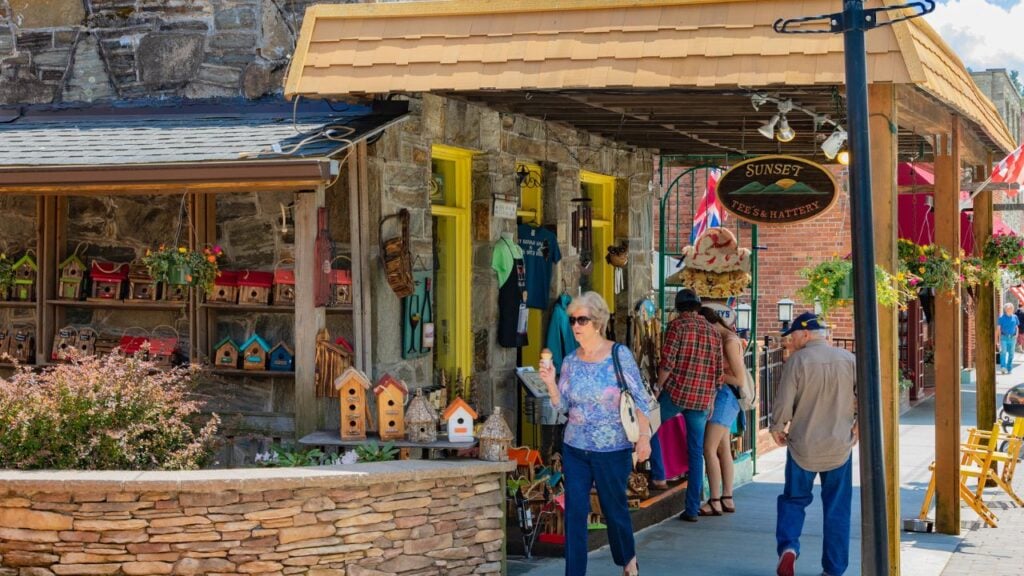
Great Smoky Mountains National Park pulled in more than 11.5 million visits in 2025, more than any other national park in the country.
A large share of that traffic lands squarely on a handful of small North Carolina mountain towns every fall.
