
9 Things South Carolina’s Beach Towns Do Differently Once the Summer Crowds Leave

Grand Strand rental agencies lock summer guests into Saturday-to-Saturday stays for the entire stretch from June through August, no exceptions.
By September, the same oceanfront units are taking three-night weekend bookings with a Tuesday check-in.
These are the things South Carolina’s beach towns do differently once the summer crowds leave.
1. Boardwalk Rides Slow to a Crawl
Myrtle Beach runs its oceanfront amusement parks like a full-time job all summer.
Family Kingdom’s rides and Myrtle Waves Water Park stay open daily through the season, then both shift hard once the crowds thin out.
Family Kingdom drops to weekends-only within a few weeks of Labor Day and runs its final full week in early October.
Myrtle Waves Water Park closes for the season by mid-September, per the park’s own operating calendar.
Different park, same short season.
Mini-golf courses and beach bars follow the same script, trimming down to a few open days rather than a full shutdown.
A tourist showing up on a random Tuesday in October can find a locked gate where a packed midway used to be.
2. Parking Meters Go Dark
Myrtle Beach charges for its downtown meters on a strict clock, not a guess.
City meters run 9 a.m. to midnight, seven days a week, from March 1 through September 30.
Then the charge disappears completely.
Free parking takes over at those same meters starting October 1 and holds through February 28, which lines up almost exactly with the stretch when the summer crowds are already gone.
A driver circling for a spot downtown in July can burn fifteen minutes hunting for a metered space.
A driver doing the same thing in November parks for free on the first block she tries.
3. Week-Long Rental Rule Disappears
Grand Strand rental companies lock summer guests into a rigid calendar.
Elliott Beach Rentals, one of the larger agencies working Myrtle Beach and North Myrtle Beach, requires Saturday-to-Saturday or Sunday-to-Sunday stays for the entire stretch from June through August.
One week in, one week out.
Not anymore.
September flips that rule entirely, and the same units switch to nightly stays with arrival days that can land on a Tuesday or a Thursday just as easily as a Saturday.
A three-night getaway that would’ve been impossible to book in July becomes an ordinary Wednesday-to-Saturday reservation once the summer schedule ends.
4. Turtle Patrols Start Watching for Lights, Not Crowds
South Carolina’s turtle patrols do a different job once the summer crowds leave.
Loggerheads nest on South Carolina sand from May into August, and the eggs they leave behind keep hatching well into October.
In July, volunteer teams spend as much time keeping tourists and coolers off roped-off nests as they do watching for turtles.
Then the job flips.
Once the rental crowds clear out, patrols shift to lighting, walking the sand at dusk and dawn for the porch lights and floodlights that can pull a hatchling inland instead of out to sea.
Nobody’s watching the beach houses but them.
What South Carolina’s “Lights Out” Rule Covers
South Carolina’s oceanfront lighting ordinance isn’t a suggestion for homeowners along nesting beaches.
Any light visible from the sand has to be shielded, turned away from the beach, or switched to a turtle-friendly amber bulb during nesting season.
A porch light left glowing toward the water can pull a hatchling inland instead of out to sea.
Violating a local lighting ordinance can carry a fine of up to $500.
That rule stays in force through October, long after the rental turnover crowd that might’ve flipped the switch has already gone home.
5. Lifeguard Stands Empty Out
Grand Strand towns don’t pull their lifeguards all on the same day.
The City of Myrtle Beach staffs its ocean rescue towers from April 15 through September 30, while the unincorporated stretch of Horry County beaches only gets coverage from May 15 to September 15.
Different towns, different calendars.
Once a town’s window closes, the towers still stand there, but they sit unstaffed, and anyone swimming past that date is swimming without a whistle nearby.
The water in South Carolina often stays swimmable well past those dates, so many locals keep wading in long after the guards have packed up their gear for the year.
6. Dogs Get the Beach Back
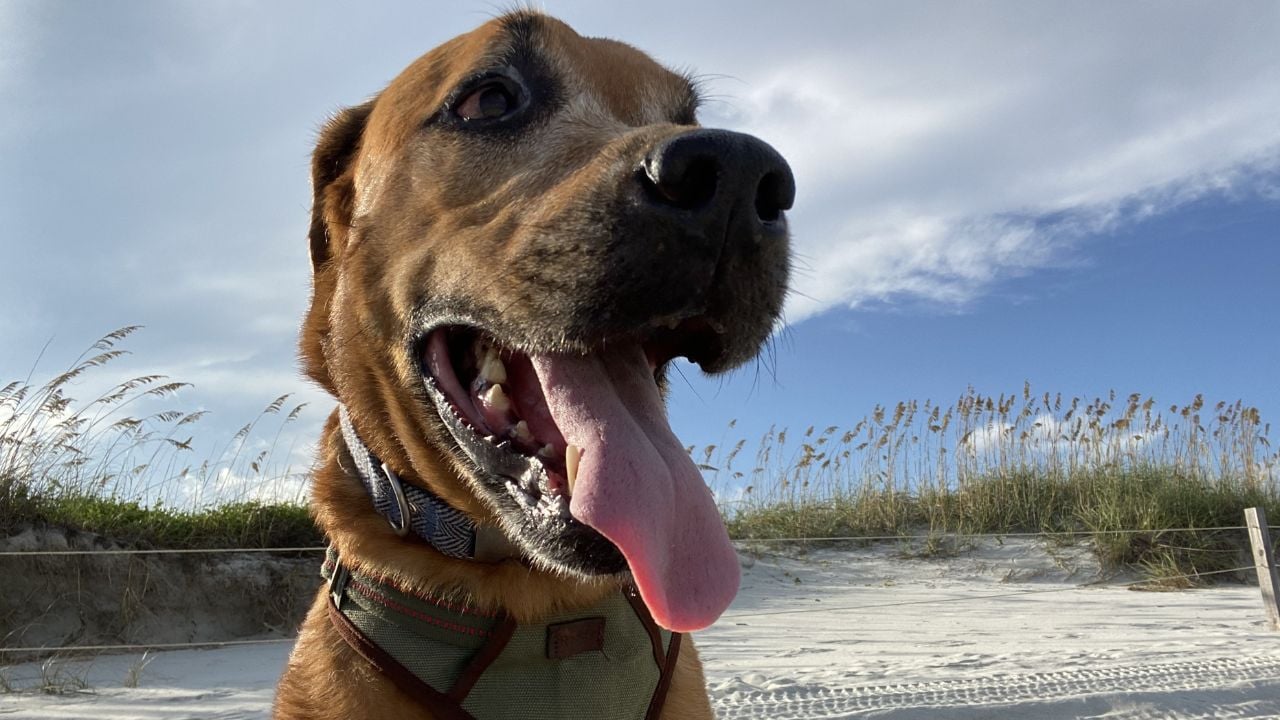
Folly Beach hands its sand back to dogs once the summer crowds leave.
Town rules keep dogs off the beach entirely from 10 a.m. to 6 p.m. between May 1 and September 30, which covers almost every hour a beach day happens.
Then the beach opens up.
From October 1 through April 30, dogs are welcome on the sand at any hour of the day, no ten-to-six blackout window, as long as they stay on a leash.
A Folly Beach regular who spent all summer walking a dog around that ten-to-six rule gets the whole day back the moment the rental crowds clear out.
7. Free Beach Shuttle Stops Running
Hilton Head Island runs a free shuttle from the University of South Carolina Beaufort (USCB) campus straight to Coligny Beach Park, and it only exists because summer traffic makes parking there miserable.
The town only bothers running it on Fridays, Saturdays, Sundays, and a handful of holidays, from Memorial Day weekend through Labor Day.
Then it stops completely.
No shuttle runs again until the next Memorial Day because once the crowds leave, Coligny’s own lot has enough open spaces to handle whoever’s left.
Psst! How off-season ready are you for a South Carolina beach town? Run through this checklist and see where you stand.
8. Thousands of Dancers Take Over Main Street
North Myrtle Beach trades one crowd for a completely different one every fall.
The Society of Stranders hosts its Fall Migration along Ocean Drive every September, and thousands of shag dancers fill the same Main Street that spent July packed with families and rental bikes.
Different crowd entirely.
Bands and DJs play from midday into the small hours for ten straight days, and license plates from Virginia, Georgia, Tennessee, and Ohio fill the lots that summer renters had claimed months earlier.
Ocean Drive belongs to the dancers now, not the summer crowd.
9. Locals Grab Trash Bags
South Carolina hands its beaches back to the people who live near them every September.
The state’s Beach Sweep/River Sweep lands on the third Saturday of the month, and it’s the largest one-day cleanup of South Carolina’s beaches and waterways, run entirely by volunteers.
Thousands show up.
They work stretches of sand that held wall-to-wall beach towels two weeks earlier, and they fill trash bags with the straws, bottle caps, and fishing line a whole tourist season leaves behind.
Nobody’s assigning them a stretch of beach or paying them for the morning.
They just show up with gloves and buckets.
By noon, a stretch of sand that held a thousand towels two weeks earlier is bare again, this time on purpose.
9 South Carolina Small Towns Worth the Detour
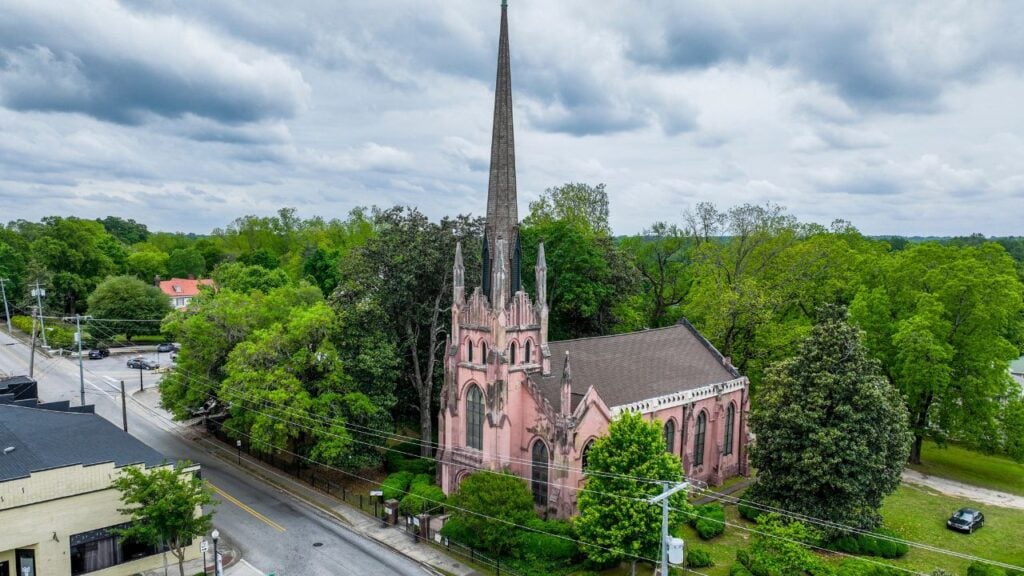
The most interesting hour in South Carolina rarely happens where the tour buses park.
It happens down a two-lane road, in a town of 300 or 3,000, well away from any beach town’s meters or lifeguard towers.
9 South Carolina Small Towns Worth the Detour
9 South Carolina Foods That Confuse Anyone Who Didn’t Grow Up With Them

South Carolina cooking runs on dishes with names that sound like weather reports, insults, or typos, and every one of them turns out to be dinner.
Order confidently off a menu in Beaufort or Columbia as a tourist, and the kitchen will know exactly how you found the place.
9 South Carolina Foods That Confuse Anyone Who Didn’t Grow Up With Them
