
9 Things South Carolinians Do at a Cookout That Confuse Newcomers

A transplant from Michigan shows up to a cookout near Florence at noon, and the host has already been awake since four in the morning.
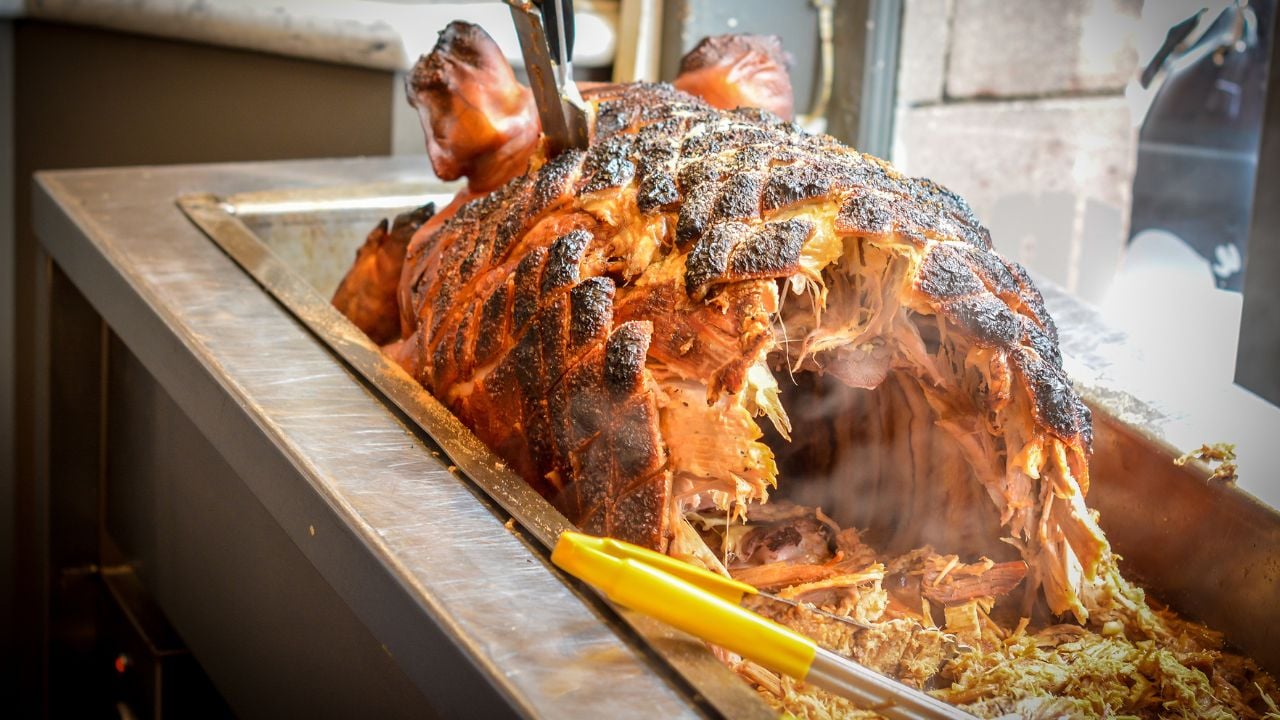
There’s a whole hog out back on a cinder-block pit, tended in shifts and still hours from done.
By dark, that newcomer will have tried a handful of items nobody eats back home.
These are the things South Carolinians do at a cookout that confuse newcomers.
Yellow Barbecue Sauce
The barbecue sauce at a Midlands cookout is the color of French’s mustard, and out-of-staters do a double-take at the first spoonful.
It’s mustard.
The stretch of the state around Columbia, Lexington, and Orangeburg runs on a tangy gold sauce, often traced to the German families who settled that middle band generations ago.
A newcomer raised on thick red sauce from a bottle stands there waiting for the tomato that never comes.
Order a pulled pork plate at a place like Dukes in Orangeburg, and it arrives slicked in gold, not red.
Locals will tell you the tomato crowd has it backward.
Hash Over Rice
The cookout plate comes with a scoop of something brown ladled over white rice, and newcomers reach for a word they don’t have.
It’s hash, a thick and gravy-like stew of slow-cooked pork, sometimes down to the liver and the odd bits, simmered for hours and spooned over the rice.
Carolina hash barely exists past the state line, so a visitor from Texas or Kansas City has never once seen it next to the barbecue.
Every region tweaks it, too.
The Upstate leans on beef and onion for a paler “white hash,” while the Midlands works in mustard, and the rice underneath stays the same no matter whose pot it came from.
The Whole Hog
The main event at a serious cookout isn’t a tray of burgers, it’s an entire hog, split open and laid over coals before sunrise.
They call it a pig pickin’, and everyone pulls meat straight off the animal all afternoon.
Rodney Scott of Scott’s Bar-B-Que in Hemingway cooks whole hogs over wood coals he shovels by hand, and it earned him a James Beard award in 2018.
A transplant expecting a couple of racks of ribs watches a 200-pound hog come off the pit and goes silent.
It’s the whole animal.
Everyone picks it apart, the skin, the shoulder, the ham, and passes the meat down the table until the pit is bare.
A Pot of Chicken Bog
Set a cast-iron pot at a Pee Dee cookout, and odds are it’s full of chicken bog, not chili.
Chicken bog is chicken, rice, sausage, and onion cooked together until the rice turns soft and wet.
That soggy rice is where the name comes from, and a newcomer who hears “bog” pictures a muddy swamp instead of dinner.
It’s not a swamp.
The town of Loris, up near the top of the Grand Strand, has crowned the best pot at its Bog-Off cook-off since 1979.
Bring a bowl to a stranger, and they’ll hand it back scraped clean.
Frogmore Stew
Down on the coast, dinner lands straight on a newspaper-covered table with not a plate in sight.
Shrimp, sausage, corn, and red potatoes all boil in one pot, then land in a steaming pile everybody digs into with their hands.
Beaufort folks call it Frogmore stew, after the St. Helena Island community where the name stuck.
There are no frogs.
A visitor hears “Frogmore” and sits there waiting for silverware and an explanation, while everyone around them peels shrimp over the funny pages.
The pluff mud smell drifts in off the marsh, and the whole thing works better with your sleeves already rolled up.
A Pan of Red Rice
Somewhere on the folding table sits a pan of rice stained deep orange, and newcomers keep calling it Spanish rice.
It isn’t Spanish rice.
Charleston red rice cooks slow with tomato, bacon, and onion, and its roots run back through Gullah Geechee kitchens to the West African cooks who made rice the heart of the coast.
The Lowcountry once grew so much rice that the dish is less a side and more a birthright.
Every family guards its own pot, and no two pans on the same table taste alike.
Ask for the recipe, and you’ll get a shrug and a smile.
A Crockpot of Boiled Peanuts
Near the cooler at any cookout, a crockpot bubbles away with what a newcomer assumes is a pot of beans, until they fish out a soft, dripping peanut.
Green peanuts sit in salty water for hours until the shell goes limp and the nut inside turns warm and tender.
South Carolinians think so highly of boiled peanuts that lawmakers named them the official state snack in 2006.
A first-timer bites into a peanut expecting a crunch and gets a mouthful of something closer to a boiled bean.
The trick is the mess.
You crack the wet shell, slurp the brine, and drop the hull in a cup, the same way roadside stands off Highway 17 have taught drivers for years.
Psst! How much do you know about South Carolina’s tables beyond a backyard cookout? Take our quiz and see if you can ace it.
Quiz
South Carolina Food IQ
Answer these questions on South Carolina food, drink, and Lowcountry lore. See how many you can ace.
Summerville, South Carolina bills itself as the birthplace of which everyday Southern drink?
Duke's or Nothing
Offer to bring the mayonnaise to a cookout, and a South Carolinian will look at you like there's only one right answer.
It has to be Duke's.
Eugenia Duke started mixing it in Greenville around 1917, with no sugar and a sharp tang of cider vinegar.
It binds the potato salad, fills the deviled eggs, and folds into the pimento cheese, all in one afternoon.
Set out a jar of anything else, and someone will notice before the burgers are off the grill.
A transplant who grew up on a sweeter brand thinks the loyalty is a joke, right up until the first bite of that potato salad.
Blenheim Ginger Ale
The drink someone hands you from the cookout cooler looks like a plain ginger ale, right up until the first swallow lights up your sinuses.
South Carolina has bottled Blenheim since the early 1900s, and its bite comes from Jamaican ginger stirred into artesian spring water.
It burns going down.
These days it's bottled up in Hamer, off Interstate 95 near the sombrero towers of South of the Border.
The red-cap bottle is the hot one, and a newcomer who takes a big confident gulp learns that the hard way.
Regulars sip it slow, and they keep a cold bottle on hand for the exact moment a first-timer swears the label has to be lying.
9 Southern Manners South Carolinians Still Expect From Newcomers

Good manners in South Carolina go a long way past please and thank you.
There's the two-finger wave on a back road in Aiken County, and the dish you're expected to send back home full.
9 Southern Manners South Carolinians Still Expect From Newcomers
8 Unwritten Rules of South Carolina Fishing Piers Newcomers Break
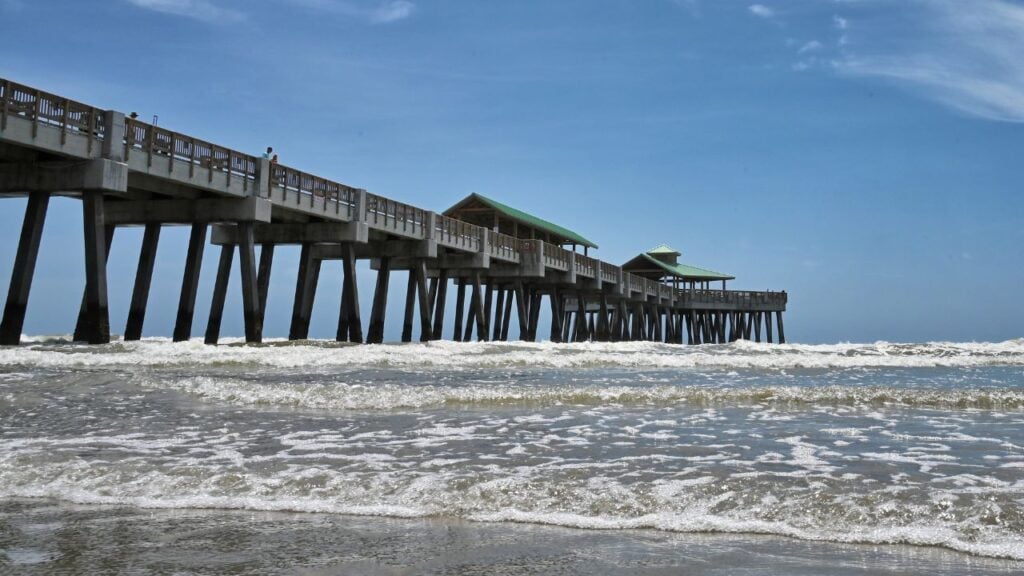
A South Carolina fishing pier reaches so far out that you can hook a king mackerel at the end and a whiting at the rail on the same afternoon.
The regulars follow a whole code, and breaking it gets you noticed fast.
8 Unwritten Rules of South Carolina Fishing Piers Newcomers Break
