
9 Things South Carolinians Toss Out That Are Worth More Than They Think

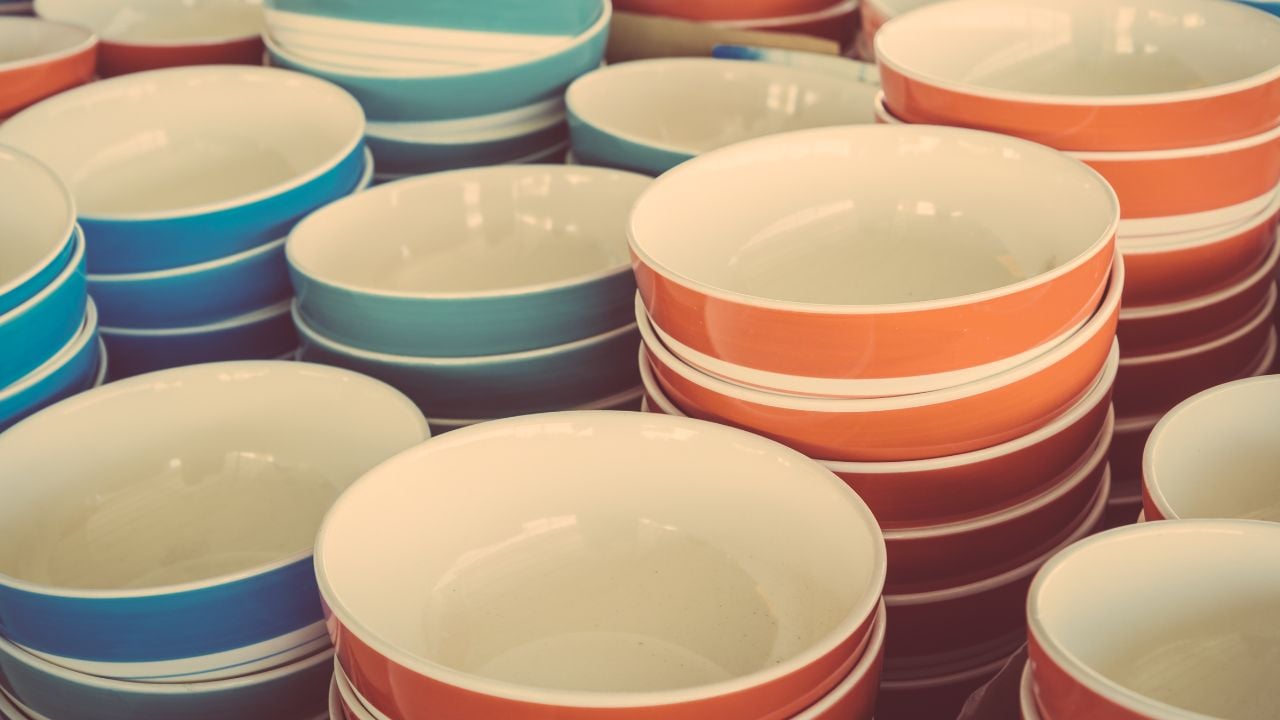
A single vintage Pyrex mixing bowl, in the right rare pattern, has been listed on eBay for close to $6,000, according to House Digest.
Plenty of those mixing bowls get donated or thrown out.
The pattern on the side is the whole difference, and the same goes for several other things sitting in South Carolina attics.
These are the things South Carolinians toss out that are worth more than they think.
1. Vintage Levi’s Jeans
Vintage Levi’s jeans sitting at the bottom of a closet can be worth a lot more than a trip to the donation bin.
More than $87,000 is what one 19th-century pair, pulled from an old Nevada mine, brought at auction in 2022.
Buyers don’t need a mine-worthy pair to cash in.
Heddels reports that some pairs of 501s from the World War II years have sold for more than $6,000 in good condition.
Buyers can date a pair by the red tab, the button style, and the stitching on the back pockets.
That decade drives the price.
2. Sterling Silver Flatware
Sterling silver flatware and serving pieces often end up in a donation box the moment a set looks tarnished or mismatched.
Silver was trading above $66 a troy ounce in late August 2026, one of its highest levels in years.
A full flatware set for eight can hold several ounces of actual silver once you count every fork, knife, and spoon.
Dealers pay by the ounce.
A dealer weighs the pieces, checks the sterling stamp, and pays based on the day’s spot price rather than the pattern’s age.
How to Tell Sterling From Silver Plate
Sterling silver is stamped “sterling,” “ster,” or “925” somewhere on the back or underside of a piece, since that number means 92.5% pure silver.
Silver plate carries different markings, usually electroplated nickel silver (EPNS), “quadruple plate,” or a maker’s name with no purity number attached.
Plating is a thin layer of silver over a base metal like copper or nickel, so it holds almost none of the melt value sterling does.
A magnet test helps too, since silver isn’t magnetic and a piece that sticks to a magnet isn’t sterling at all.
3. Griswold Cast Iron Skillets
Griswold cast iron skillets pulled from a grandmother’s kitchen usually land in a yard-sale box marked a dollar or two.
What turns a yard-sale skillet into a $10,000 auction lot?
A spider mark stamped into the bottom, paired with the word “ERIE,” Griswold’s stamp for Erie, Pennsylvania, where it cast its pans.
One skillet carrying both marks sold for $10,000 at Dinky’s Auction House in Montgomery, Indiana, on August 23, 2024.
That’s an extreme case.
Even ordinary Griswold pans with the maker’s slanted logo have sold for nearly $2,800 when the size is scarce.
A plain Wagner Ware skillet in good shape can still bring several hundred dollars.
Flip it over first.
A buyer can check the manufacturer’s name, the pattern number, and the size stamped into the bottom to know what a pan is worth before anyone scrubs off the seasoning.
4. Handmade Antique Quilts
Handmade quilts stuffed in a cedar chest rarely look like money to the person who inherited them.
Collectors estimate that a well-preserved quilt made before 1940, especially in a complex pattern like a Feathered Star or a Mariner’s Compass, can sell for $500 to $1,500 or more.
The rarest examples go much higher.
AntiquesKnowHow reports that museum-quality chintz quilts from the 1800s have sold for as much as $2,000 to $10,000 at auction.
Machine stitching looks perfect.
Hand stitching doesn’t, and collectors use that unevenness to tell a genuine antique quilt from a newer reproduction.
5. First-Edition Books
First-edition books stacked in a garage rarely get a second look before they land in a used-book pile headed for a library sale.
But a signed 1936 first-printing copy of Gone With the Wind was appraised at $3,000 to $5,000 on Antiques Roadshow.
The author, Margaret Mitchell, rarely signed her books, which is part of what drove the price up.
A first edition’s dust jacket matters almost as much as the printed pages.
A copy that’s missing its original jacket often sells for a fraction of the price a copy with the jacket brings.
That torn paper matters.
6. Rare Vintage Pyrex
Nobody thinks twice before dropping a vintage Pyrex mixing bowl into a donation bag.
Few Pyrex patterns come close to Turquoise Golden Birds, one of the rarest Pyrex ever made.
House Digest has tracked eBay listings pricing this bowl at close to $6,000.
Ordinary Pyrex won’t hit that.
Listings have priced a set of Pink Amish Butterprint dishes in good condition around $700.
A single Duchess casserole, complete with its lid and warming cradle, has been listed for close to $3,000.
Pyrex collectors keep detailed pattern guides online.
Matching a bowl’s design to the right pattern name first is the fastest way to tell whether it’s common or scarce.
7. Mid-Century Modern Furniture
Mid-century modern furniture often ends up at the curb when families clear out a house, especially anything made of wood that looks dated at first glance.
Depending on condition, a single Heywood-Wakefield wishbone table can sell for $900 to $2,500.
Dressers and vanities from the same maker often bring $300 to $1,800.
That’s hundreds of dollars for something otherwise headed to a landfill.
Buyers can flip a piece over and look at the underside of a drawer or seat for a maker’s label or stamp.
That mark can be the difference between a garage-sale price and a four-figure price.
8. Vintage Hand Tools
Vintage hand tools left in a shed often look like scrap metal instead of money to whoever finds them.
Specialty tool dealers don’t see a plane like this every year: An early Type 1 Stanley No. 1, made in the 1860s, sold for $1,995, according to a tool dealer’s sale archive.
That plane is the exception.
Recent listings have priced a Stanley Bedrock-series hand plane, the company’s premium line from the early 1900s, at $175 to $295.
Reclaim Stuff also prices a standard No. 7 jointer plane at $100 to $170 in good working condition.
Size drives the price.
A larger plane, a less common model, or a plane stamped with its original owner’s name typically outsells a common, well-worn No. 4 smoother.
Condition matters as much as age does.
Psst! How much do you know about the history of thrift stores and flea markets? Take our quiz and see how many you can get right.
Quiz
Resale History IQ
Answer these questions on flea markets, thrift stores, and collectibles history. We bet you can’t get them all right. Prove us wrong?
What was the very first item ever sold on eBay, back in 1995?
9. Pre-1965 Silver Coins
Pre-1965 dimes, quarters, and half dollars sitting in a change jar are 90% silver, not the copper-nickel blend the U.S. Mint switched to afterward.
Every dollar of face value in those coins holds 0.715 troy ounces of silver.
With silver trading in the $60s an ounce this year, a single pre-1965 quarter holds around $12 worth of metal, close to 48 times its 25-cent face value.
Nobody spends those quarters anymore.
Many of them are still sitting in change jars, tackle boxes, and coin folders across South Carolina.
Almost nobody checks the mint date before spending a quarter at face value.
9 Etiquette Mistakes That Mark You as New to South Carolina
South Carolina added roughly 80,000 new residents in a single recent year, more than any other state in the country.
That means many newcomers are still learning Southern manners the hard way, one raised eyebrow at a time.
9 Etiquette Mistakes That Mark You as New to South Carolina
7 Charges on Every South Carolina Power Bill That Have Nothing to Do With Electricity
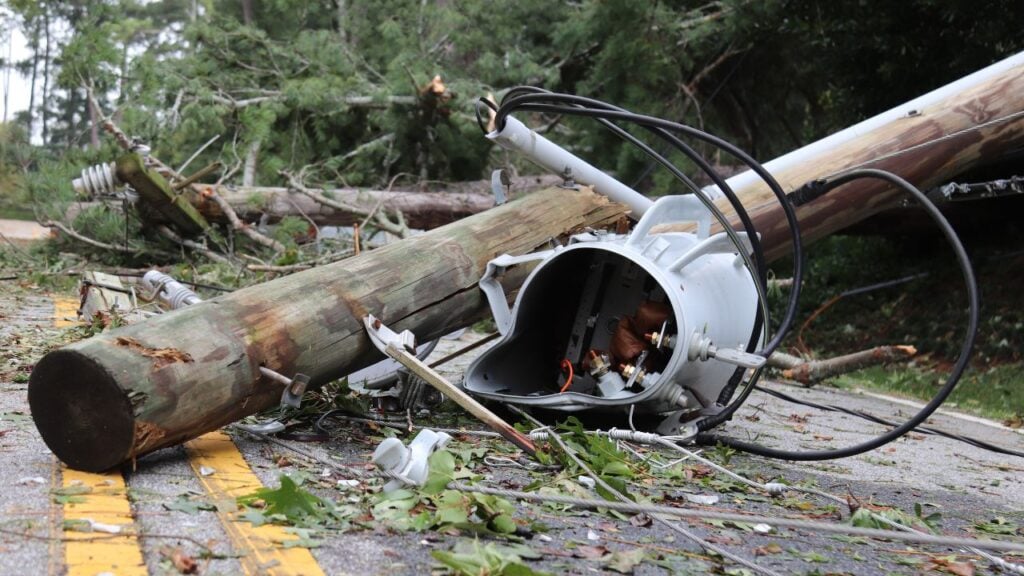
Duke Energy Carolinas customers started paying an extra $4.58 a month in January 2026 to help retire bonds sold after Hurricane Helene, whether their power ever went out or not.
That's just one of several charges tucked into a South Carolina power bill that have nothing to do with how much electricity a household used.
7 Charges on Every South Carolina Power Bill That Have Nothing to Do With Electricity
