
9 Things That Give a Marylander Away the Moment They Leave the State

Pabst says close to 90% of every National Bohemian can sold stays inside Maryland, most of it in Baltimore.
The beer barely leaves the state.
But Marylanders do, and they carry a set of habits with them.
These are the things that give a Marylander away the moment they leave the state.
1. Old Bay, Everywhere
A small tin of Old Bay almost always rides in a Marylander’s suitcase, tucked somewhere between the socks and the phone charger.
The seasoning started in Baltimore in the early 1940s, mixed by Gustav Brunn, a German-Jewish immigrant who had fled Nazi Germany.
Brunn opened a spice shop near the city’s fish market, and the blend caught on fast.
McCormick, headquartered just north of Baltimore, bought the recipe in 1990 and still makes it there today.
Ask a diner cook in Ohio or a seafood shack in Texas for a shake of it, and the answer is usually a blank stare.
It happens every time.
A Marylander shakes it onto french fries, popcorn, and scrambled eggs out of habit, then explains to a confused server exactly what that orange dust is.
2. Saying “Downy Ocean”
On a work trip to Columbus, Ohio, a Marylander mentions plans to go “downy ocean,” and a coworker asks what a downy ocean even is.
The phrase is Baltimore dialect, a run-together version of “down to the ocean,” and it means a trip to Ocean City on the Eastern Shore.
Reporters at the Baltimore Sun have documented the pronunciation as part of the city’s working-class accent, right alongside “wooder” for water and “Tuesdee” for Tuesday.
Nobody outside Maryland has heard three words fold into one like that.
It never happens.
A Marylander says it anyway, then spends the next sentence translating.
3. Questions About the Flag
Maryland’s flag stands out the moment a Marylander wears it somewhere else, a black-and-gold checkerboard split against a red-and-white cross on the same banner.
The design comes straight from heraldry, built from two colonial family coats of arms.
The black and gold squares carry the Calvert family’s colors, while the red and white crosses belong to the Crossland family.
The Crosslands were the mother’s side of Maryland’s first proprietor, George Calvert.
Maryland’s General Assembly made the combined design the official state flag in 1904.
Outside Maryland, people squint at a Marylander’s flag hat or bumper sticker and guess it belongs to some other country.
Nobody guesses right.
A Marylander just says it’s the state flag and moves on, used to explaining it by now.
Why Maryland’s Flag Has Two Different Patterns
Maryland’s flag carries a leftover Civil War argument inside its four quadrants.
Union sympathizers wore the black-and-gold Calvert colors during the war.
Confederate sympathizers picked the red-and-white Crossland cross instead, and Federal authorities went after people caught wearing it.
An unknown designer merged both patterns into one flag around the 1880s, turning two wartime rivals into a single state symbol.
4. Snowball Correction
Someone calls a cup of shaved ice a “snow cone” around a Marylander who simply can’t let it go.
Baltimore’s shaved-ice treat is a snowball, and the tradition goes back to the 1800s.
Kids used to chase ice-delivery trucks for scraps.
Mothers turned the shavings into a dessert with homemade syrup.
Egg custard became the signature flavor, and many stands still finish the cup with a spoonful of marshmallow on top.
A snow cone, by contrast, uses coarser crushed ice, nothing like the fine shave a Maryland stand is known for.
That’s not the same thing.
A Marylander orders a snowball out of state, gets a cup of coarse ice with no marshmallow in sight, and corrects the record on the spot.
Psst! How much do you know about Maryland’s history and geography? Take our quiz and see how many you can get right.
Quiz
Maryland History IQ
Answer these questions on Maryland’s history, symbols, and geography. We bet you can’t get them all right. Prove us wrong?
Maryland’s nickname “the Old Line State” honors soldiers praised for their stand at which 1776 battle?
5. Full Crab Setup
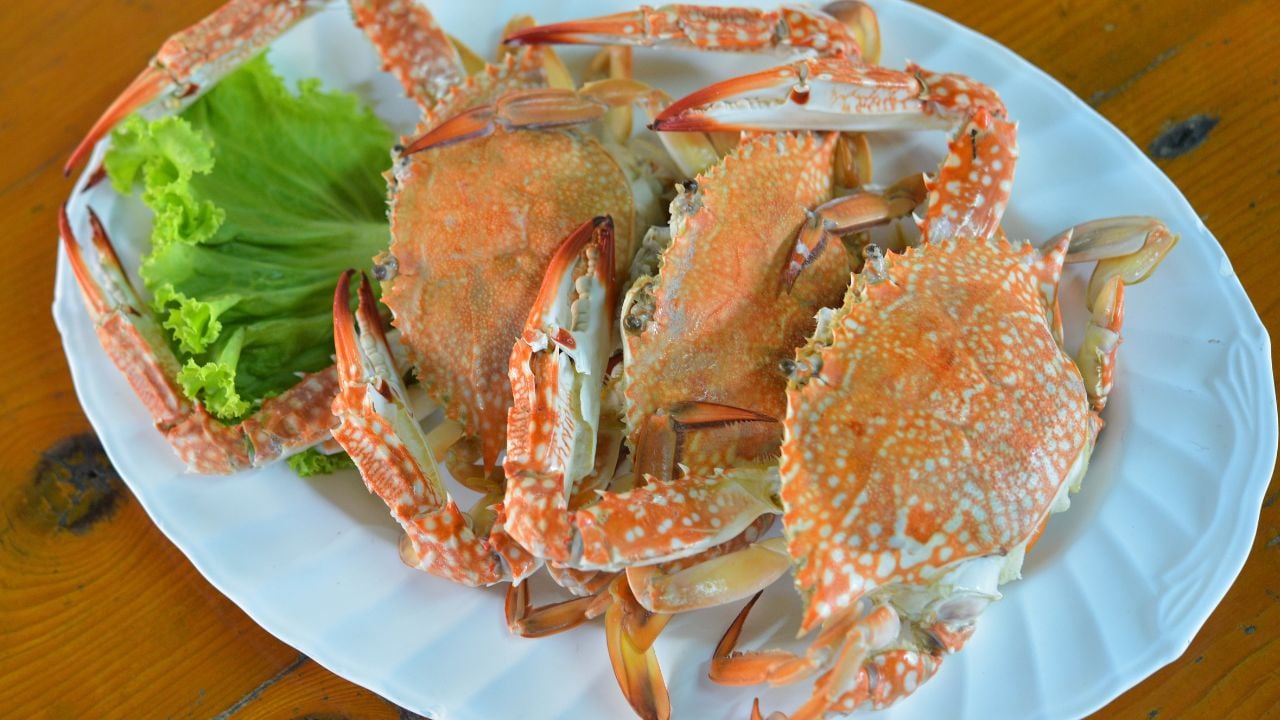
A Marylander walks into an out-of-state seafood spot expecting brown paper on the table, a wooden mallet, and a paring knife.
Maryland crabs traditionally come steamed instead of boiled, seasoned heavily with Old Bay right on the shell.
Diners crack the claws, pull back the apron, and dig the meat out themselves, a hands-on process Baltimore Magazine has called central to a crab feast.
Order crab somewhere else, and it often shows up pre-picked in a plastic cup, cold, seasoned with nothing at all.
Something is missing.
A Marylander notices immediately, and says so.
6. Asking for Tiger Sauce
Out-of-state roast beef counters draw a blank the moment a Marylander asks for tiger sauce on the side, and the cashier repeats the words back like they're foreign.
Pit beef is Maryland's answer to barbecue, thin-sliced roast beef cooked fast over a charcoal pit and piled on a kaiser roll.
Tiger sauce, a mix of mayonnaise, horseradish, lemon, and garlic, is what makes the sandwich, and food writers at America's Test Kitchen have called it a Baltimore classic.
Outside Maryland, roast beef sandwiches sometimes get horseradish sauce, but never that exact mix, and never by that name.
Blank looks follow.
A Marylander explains it, then usually just asks for extra horseradish instead and calls it close enough.
7. Ordering "A Boh"
A Marylander asks a bartender out of state for "a Boh" and gets nothing but a confused shrug in return.
National Bohemian, nicknamed Natty Boh, has been a Baltimore staple for generations, and its one-eyed cartoon mascot, Mr. Boh, has grinned from cans and coolers since the brand's 1950s boom.
Maryland production ended by 1996.
Pabst bought the brand in 1999 and now brews it in Pennsylvania.
Even so, close to 90% of every can sold still stays inside Maryland, most of it around Baltimore.
It holds up nowhere else.
A Marylander spots a Mr. Boh sticker on a stranger's cooler out of state and instantly knows they're near somebody from home.
8. The Slipping Baltimore Accent
A friend in another state stops mid-conversation when a Marylander from Baltimore says "wooder" instead of water, or "amblance" instead of ambulance.
The Baltimore Sun has documented the accent for years, noting locals who say "Tuesdee" for Tuesday and shorten Baltimore down to "Bawlmer."
Linguists trace the sound to generations of the city's working-class neighborhoods.
Outside Maryland, people assume it's a put-on.
It isn't.
Coworkers, college roommates, and out-of-state cousins all take their turn teasing a Marylander about it.
9. Measuring Traffic by the Bay Bridge
At a barbecue in another state, someone complains about a bad commute, and a Marylander says, without thinking, that it's nothing compared to the Bay Bridge.
The Chesapeake Bay Bridge, officially the William Preston Lane Jr. Memorial Bridge, carries U.S. 50 and 301 across 4.3 miles of open water between Maryland's Western and Eastern Shores.
Its two spans carried about 27.6 million vehicles in 2019, and the worst backups still land on summer Friday afternoons headed for the beach.
Outside Maryland, "the Bay Bridge" usually means the bridge in San Francisco instead.
Confusion follows.
A Marylander clarifies which bay they mean, then usually launches into a story about a July backup that swallowed an entire afternoon.
The bridge's first span opened in 1952, and every Marylander who has idled on it during a holiday weekend adds another version of that story to the pile.
9 Maryland Foods Nobody Makes Right in Other Parts of the U.S.
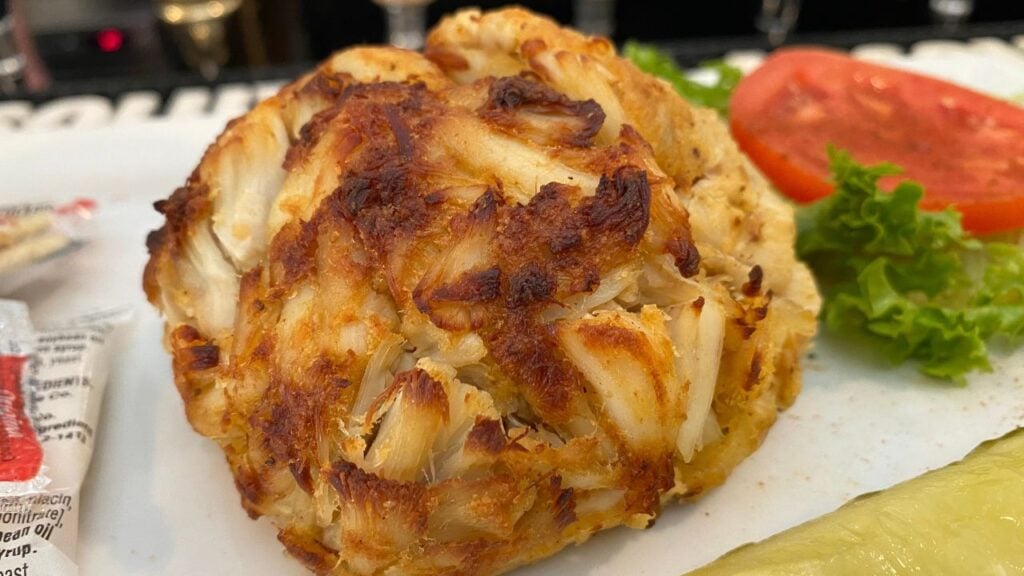
A restaurant anywhere outside the Chesapeake region can slap "Maryland-style" on a seafood platter, and the plate rarely tastes anything like what a Marylander grew up eating.
This article names the dishes that other regions borrow and slightly ruin, starting with what holds a proper crab cake together.
9 Maryland Foods Nobody Makes Right in Other Parts of the U.S.
