

9 Things That Instantly Mark You as a Florida Newcomer

By late August, a Florida newcomer’s front bumper wears a gray crust they can’t scrub off, and they have no idea what it is.
Locals know on sight.
Lovebugs are only the start of what nobody warns people about before they move to Florida.
These are the habits that instantly mark you as a Florida newcomer.
1. Freaking Out Over Gators
Few things out a Florida newcomer faster than the way they react to an alligator.
A transplant spots a gator in a retention pond and reaches for the phone.
A local keeps walking.
Florida is home to about 1.3 million alligators.
They live in the lakes, ponds, and canals of all 67 counties.
That pond behind the new subdivision counts.
The real rookie move isn’t the fear, though, but the feeding.
Tossing a marshmallow to a gator is illegal in Florida, and it teaches a wild animal to link people with food.
Locals give any pond a wide berth and keep the dog on a short leash near the water’s edge.
2. Misreading the Cone
A Florida newcomer meets their first hurricane forecast and immediately misreads the cone.
The cone only traces where the storm’s center might travel, not how big it is or who catches the wind and the rain.
Newcomers panic when their town sits just outside the line, then relax when it’s barely inside.
Both readings are wrong.
A veteran skips the skinny black line and reads the whole cone, the wind field, and the water.
The other giveaway is the panic shop, when a transplant buys plywood and forty cases of water for a tropical storm still four days out near Cuba.
Locals wait for the two-day window because a track four days out can swing a hundred miles.
3. Ignoring Lovebug Season
Twice a year, Florida fills up with lovebugs, and newcomers have no idea what hit their car.
These harmless black flies swarm in April and May, then come back in force from late August into September, each wave running about four weeks.
They pair up in midair and splatter across every grille and windshield by the thousands.
That’s the easy part.
The giveaway is what happens next, when a newcomer lets the guts bake on the hood for a week and the mildly acidic mess etches into the paint.
Locals rinse the car the same day, or keep a wet dryer sheet in the trunk to wipe the bumper clean.
4. Paying Tolls the Hard Way
Florida runs on toll roads, and a newcomer pays more for every mile of them.
They drive the whole state without a SunPass, and a bill shows up in the mail weeks later.
Every toll costs extra.
The toll-by-plate system photographs your plate, adds a $2.50 invoice fee, and charges rates that run about 25% higher than the SunPass price.
A veteran orders the little transponder, sticks it to the windshield, and forgets tolls exist.
The Turnpike, the 408 in Orlando, the Veterans and the Selmon in Tampa: All of it just beeps and deducts.
5. Planning the Afternoon Outside
A Florida newcomer books the pool party, the boat trip, or the theme park run for two in the afternoon.
Bad timing.
From late spring through fall, the sea breezes off both coasts collide over the middle of the state and stack up thunderstorms almost every afternoon.
Florida leads the country in lightning deaths, more than any other state, and most of them land in summer.
Locals hit the beach, the yard, and the golf course at 8 a.m., then head in when the clouds build after lunch.
By three, they’re inside.
The transplant is the person sprinting across the parking lot with a boogie board over their head.
Psst! How much do you know about Florida beyond the tourist brochure? Take our quiz and see if you can ace it.
Quiz
Sunshine State IQ
Answer these questions on Florida’s geography, wildlife, and quirks. We bet you can’t get them all right. Prove us wrong?
Florida’s highest natural point rises to a grand total of how many feet?
6. Running From Palmetto Bugs
Sooner or later, a Florida newcomer meets a palmetto bug, and the whole neighborhood hears about it.
It's a cockroach.
Palmetto bug is just the polite Southern name for the American cockroach, a reddish-brown insect up to two inches long that can, unfortunately, fly.
It flies badly, in a heavy, looping panic, usually right toward whoever just screamed.
A newcomer stands on a chair.
A local grabs a shoe, or a paper towel, and gets back to their evening.
They also know the bug wandered in from the heat, not from a dirty house, and that every Florida home meets a few.
7. Swimming Past the Flags
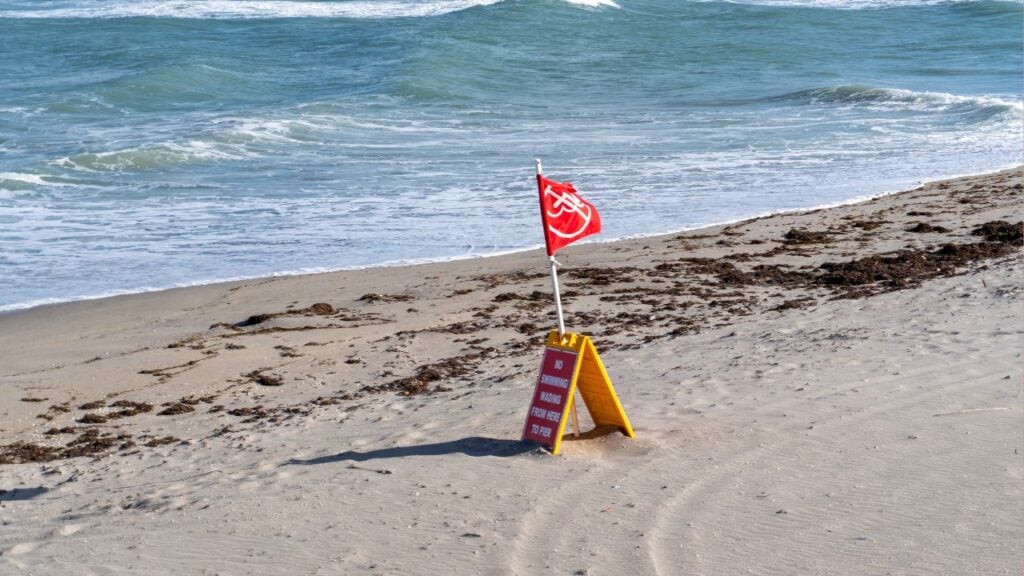
The colored flags on the lifeguard stand tell a Florida newcomer exactly nothing, so they head straight in.
Two red flags mean the water is closed, one red flag means a high hazard, and a purple flag means something in the water can hurt you, like jellyfish or a shark.
Sharks get the headlines, but rip currents are what pull swimmers under.
Florida loses more people to rip currents than any other state, more than a dozen a year.
A newcomer feels the pull, panics, and fights straight back toward shore.
That's the worst move.
A local swims parallel to the beach until the grip lets go, then angles in.
8. Baking in the Parking Lot
A Florida newcomer parks in the first open spot and comes back to a car that could cook an egg.
The regulars circle for shade, back in under a tree, or keep a folding sunshade wedged in the windshield year-round.
There's a reason.
On a 100-degree afternoon, a car left in full sun bakes its dashboard to about 157 degrees within an hour, with a seatbelt buckle hot enough to leave a mark.
The newcomer learns this with the back of their hand.
They also crank the air conditioning to full blast and sit there, while a local cracks the windows first to let the oven air roll out.
A towel over the seat and a hat on the dash stay in the car for good.
9. Still on Out-of-State Plates
Months in, a Florida newcomer is still driving around on Michigan or New Jersey plates.
Locals clock it instantly.
Florida law gives a new resident just 10 days to register the car and 30 days to trade an out-of-state license for a Florida one.
Most transplants blow right past both deadlines.
The out-of-state plate is the obvious part, and the slow crawl through the toll lane finishes the picture.
Swapping the plate means a trip to the county tax collector, the out-of-state title, proof of Florida insurance, and a registration fee.
Miss that 10-day mark, and the tax collector can add a late fee on top.
16 Things Floridians Refuse to Do in August No Matter What
By August, a Florida summer leaves almost no room to wing it.
The heat, the daily storms, and the busiest stretch of hurricane season turn a stack of loose habits into hard rules.
16 Things Floridians Refuse to Do in August No Matter What
11 Things Floridians Stay Calm About in Hurricane Season That Terrify Everyone Else
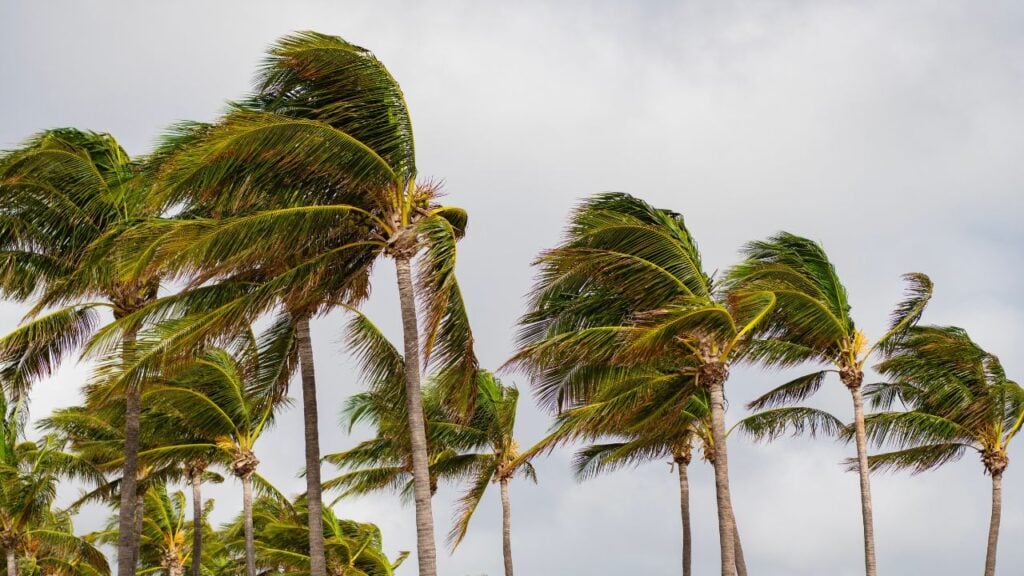
A storm in the forecast sends most tourists reaching for a suitcase.
It sends a longtime Floridian reaching for a second cup of coffee.
11 Things Floridians Stay Calm About in Hurricane Season That Terrify Everyone Else
