
9 Things Vermonters Do During Stick Season That Out-of-Staters Never See

Youth Deer Weekend is this weekend in Vermont, Nov. 7-8.
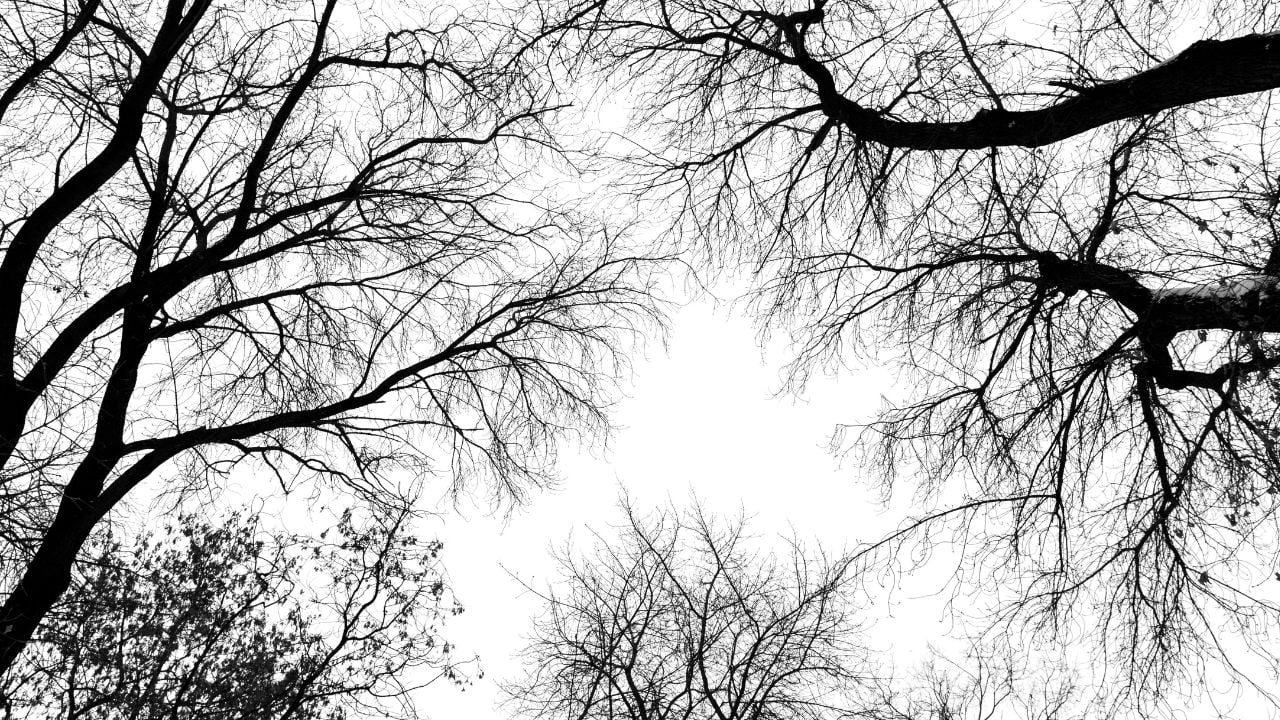
The foliage crowds are gone, but Vermonters aren’t slowing down.
Here’s what Vermonters do during stick season that out-of-staters never see.
1. Leaf Drop-Offs
Fallen leaves pile up in your yard by stick season, and Vermont has rules about where they can go.
Vermont bans leaves and yard debris from the trash.
Dried leaves supply the carbon that keeps a backyard compost pile balanced.
Transfer stations that accept trash must also take leaf and yard debris between April 1 and December 15.
If you’d rather skip the trip, you can compost the leaves at home or ask your hauler whether they collect yard debris.
2. Preparing for the Manure Ban
Farms have until midnight on December 15 to get ready for Vermont’s winter manure spreading ban.
The ban runs until April 1 and applies to all farm operations in the state.
No manure, compost or spoiled feed can go onto a field during those months.
If you run a farm, you need storage that holds all the manure and runoff collected during the ban.
Otherwise, you must stack manure in a way that meets the state’s water quality standards.
The Agency of Agriculture’s reminder says farms can contact the agency to request an emergency exemption.
3. Waiting on Bird Feeders
Wait until early December to fill your bird feeders, Vermont Fish & Wildlife asks.
Black bears are the reason.
Most of the state’s black bears are normally in their dens by early December.
Bears are especially attracted to black oil sunflower seed and suet.
Bears can also come out of their dens for short feeding trips during a spell of warm weather.
If you fill your feeders too soon, you risk drawing a bear into your yard.
4. Goose Watching at Dead Creek
Snow geese gather at Dead Creek Wildlife Management Area in Addison by the thousands.
Thousands of people visit the area every year to watch the fall migration.
Vermont Fish & Wildlife says the migration peaks from mid- to late October through early November.
It’s usually passed by mid-November, so this weekend and possibly the next may be your last chance to see the geese.
Seven Days advises that you call the visitor center to find out how many birds are there before you make the trip.
5. Ordering Firewood Early
The state’s Forests, Parks & Recreation department advises ordering wood during the winter or early spring for the following year.
Then stack and cover it to dry through spring and summer.
Green wood needs 6-12 months to dry properly.
Wood is ready to burn when its moisture content is 20 percent or less.
When you buy, Vermont lets sellers sell firewood only by the cord, which equals 128 cubic feet of tightly stacked wood.
Sellers can’t use terms like face cord, rack, stovecord or truckload.
The seller must give you a receipt that lists the amount delivered in cords and the price per cord.
The state’s buying guide says dry, seasoned and green have no set definitions.
So ask each seller how they define dry, seasoned and green before you pay.
6. Youth and Novice Deer Weekend
Youth Deer Weekend and Novice Weekend, two deer hunts for newer hunters, fall on Nov. 7-8.
That’s this weekend.
Youth hunters can take one deer of either sex, with no antler restriction.
If you bought your first hunting license within the past 12 months and you’re 16 or older, you count as a novice.
Any deer taken that weekend gets the youth/novice tag.
If you’re heading into the woods this weekend, expect to share them with these hunters.
Youth and Novice Weekend Limits
Deer taken on Vermont’s Youth Deer Weekend and Novice Weekend count differently toward your yearly limits.
A buck taken that weekend doesn’t count toward the annual buck limit.
It does count toward the annual limit of four deer.
7. Late Bear Season
The late black bear season runs Nov. 14-22 this year.
It starts next Saturday.
The early season runs from September 1 through November 13.
Hunters who use dogs need a permit, and their seasons also end November 22.
Nonresident hunters with dogs can start September 15.
8. Rifle Season Opener
The regular deer season is a 16-day rifle season that runs Nov. 14-29.
Some out-of-staters who came for the foliage might be long gone by the time rifle season starts.
The December muzzleloader season follows on Nov. 30 and runs through Dec. 13.
Regular-season deer have to be reported in person at a Big Game Station.
Anyone who takes a deer, bear or turkey must report it within 48 hours.
The department’s reporting page says online deer reporting works only for deer taken during the archery and muzzleloader seasons, and it has an interactive map of stations so you can find the nearest one before your 48 hours run out.
Psst! How much do you know about Vermont? Take our quiz and see if you can ace it.
Quiz
Vermont Trivia
Answer these questions on Vermont’s history and official state symbols. We bet you can’t get them all right. Prove us wrong?
Which mushroom did Vermont lawmakers name the official state mushroom?
9. Hiking in Blaze Orange
A 2015 Vermont State Parks post says hunting is allowed on all state lands, including state parks, during the parks' off-season.
That means a stick season hike can overlap with hunting.
Visitors should dress in blaze orange and make themselves heard.
Dogs need it too.
A 2014 post on the same site adds that the newly bare trees afford views on trails covered with dense growth during the summer.
Some higher elevation trails may have snow, so pack extra warm clothes.
You may be less likely to meet hunters at parks with closed gates.
The 2015 post names Mt. Philo, Molly Stark, Townshend and Thetford Hill State Parks as examples.
9 Things That Change the Second Vermonters Cross Into New Hampshire
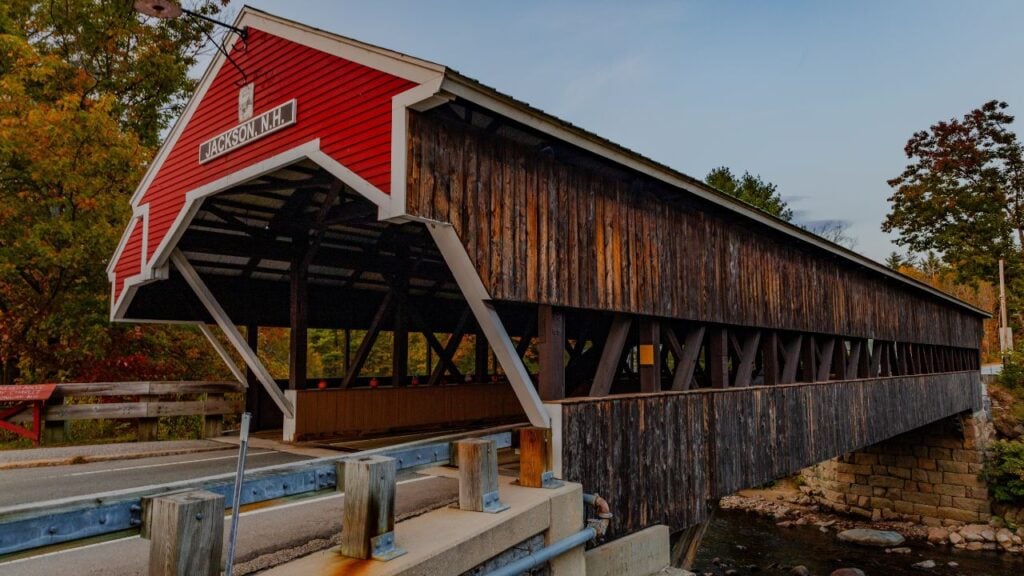
A Vermonter driving into New Hampshire notices the changes at the register first.
That's only the start of what's different on the other side of the line.
9 Things That Change the Second Vermonters Cross Into New Hampshire
5 Vermont Cheddar Rules Vermonters Won't Bend
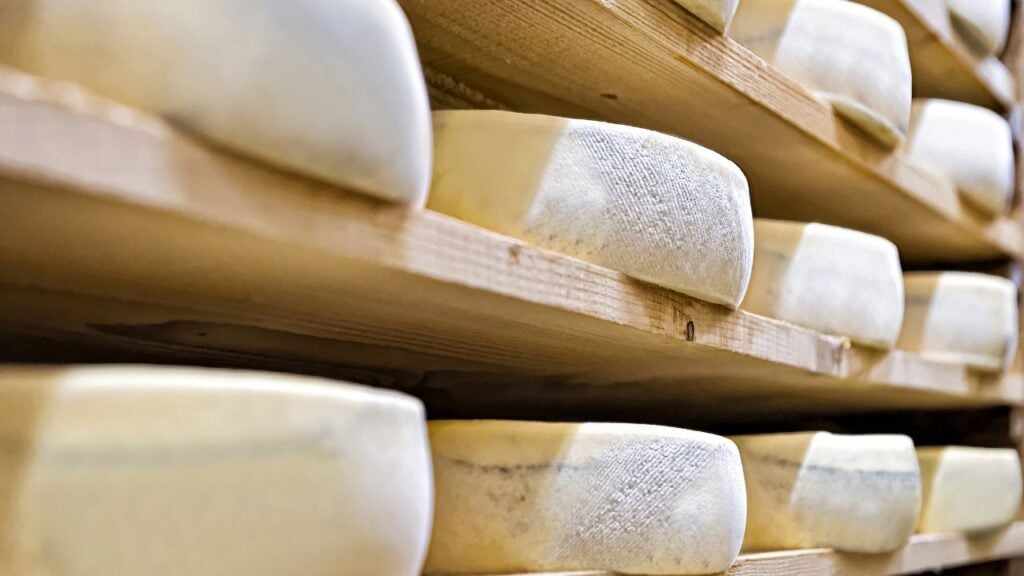
Cheddar means a lot to the people who make it in Vermont.
These are the habits behind the cheese Vermonters guard so closely.
