
9 Vanishing Diner Foods Texans Still Talk About

Texas is widely credited with inventing the drive-in restaurant and the carhop, then it spent the next century letting most of them close.
Dallas, Houston, Austin, and San Antonio all built their own version of the roadside diner.
Almost none of the originals are still standing today.
These are the diner foods and experiences that either no longer exist or have gotten harder to find.
1. San Antonio’s Chili Queens
San Antonio’s Military Plaza used to fill up every night with the smell of cumin and simmering beef, back when the Chili Queens got their start there in the 1880s.
City hall construction pushed the vendors out of Military Plaza before the century turned, and the Chili Queens set up instead in Haymarket Plaza, Alamo Plaza, Main Plaza, and Milam Park.
Women set up folding tables after sundown, lit kerosene stoves, strung colored lanterns, and sold bowls of chili con carne to anyone with a dime.
Troubadours worked the crowd between the tables, filling the plaza with music into the night.
Dinner and a show.
Locals called them the Chili Queens, and the tradition ran for more than 100 years before city health officials shut down the last stands in 1943, citing unsanitary open-air dishwashing.
San Antonio’s downtown chili stands never came back in that form.
A few restaurants around the city borrow the Chili Queens’ name today, but nobody ladles chili from a lantern-lit table downtown these days.
2. Kirby’s Pig Stand
Dallas is generally credited with inventing the drive-in restaurant, carhops included, years before the concept caught on in Southern California.
Jessie Kirby and Reuben Jackson opened the first Kirby’s Pig Stand along Fort Worth Pike in 1921, with carhops running food out to cars idling in the gravel lot.
The chicken-fried steak sandwich started on that griddle, and so did the fried onion ring and Texas toast.
Three foods, one drive-in.
The chain grew past 130 stands in nine states by the mid-1930s, then shrank down to one location on Broadway in San Antonio.
That original company went bankrupt and closed for good in 2006, and the Broadway location only survived because longtime manager Mary Ann Hill bought the restaurant herself and reopened it independently the next year.
That last Pig Stand served its final plate in March 2023, ending a Broadway run that traced back to the original 1921 chain, bankruptcy included.
Nobody orders a Pig Sandwich off a car-side tray in Texas anymore.
3. Frito Pie at Woolworth’s
Every Texas dime store used to serve the same lunch, straight out of a Fritos bag.
A Woolworth’s counter clerk split the bag down the side, ladled in chili, and topped it with cheese and onion, so a customer could eat standing up with a plastic fork.
Straight from the bag.
Frito-Lay, headquartered in Dallas, was already serving its own Fritos chili pie to local groups by 1949, years before Texas and New Mexico’s competing origin stories even begin.
Woolworth’s closed every one of its remaining US stores in 1997, and the lunch counters went with them.
Frito pie itself never went anywhere.
Order it at a Texas high school football game or the State Fair today, and it comes the same way it always did, straight from the bag.
The dime-store counter that used to serve it up for a quarter is gone.
4. Prince’s Carhop Burgers
Doug Prince learned his hamburger recipe from a vendor called Burger Master at the State Fair of Texas, then started frying burgers in their own juices on a Dallas griddle in 1929.
Carhops in sequined, majorette-style uniforms ran the food out to the cars.
Prince moved his whole operation to Houston by the mid-1930s, and Prince’s Famous Hamburgers grew to 18 locations across the city at its best.
The last of those original Houston locations closed in 2018, and it looked like Prince’s Famous Hamburgers was done for good.
It wasn’t.
Prince’s reopened in 2020 with a single location at a golf course clubhouse next to Sharpstown Park, and it’s still serving burgers today.
No carhops, no sequins.
Order a burger there now, and a cashier hands it to you at a counter instead of a car window.
5. Toddle House’s Tiny Diners
J.C. Stedman built his first diner out of Houston lumber scraps left over from another job.
The little cottage-style buildings, barely bigger than a one-car garage, never closed, serving hamburgers and breakfast to shift workers at three in the morning.
Around the clock.
Toddle House grew past 200 locations nationwide by the 1950s, before a rival chain, Dobbs House, bought the company in 1962 and folded most of the tiny diners into other brands.
A short-lived 1980s comeback didn’t stick.
The pocket-sized, 24-hour diner Houston helped invent is gone from the map now.
Psst! How much do you know about America’s diner and drive-in history? Take our quiz and see how many you can get right.
Quiz
American Roadside Diner IQ
Answer these questions on America’s diners, drive-ins, and lunch wagons. We bet you can’t get them all right. Prove us wrong?
Oklahoma’s Sonic Drive-In started life in 1953 under a different name. What was it?
6. Night Hawk's Frisco Burger
Harry Akin opened the first Night Hawk on Congress Avenue in Austin in 1932, on the site of an old fruit stand.
It was also one of the first restaurants in Austin to voluntarily integrate its lunch counter, back in 1960.
That took nerve.
The chain grew to seven locations spread across Austin, San Antonio, and Houston by the 1970s, known for the Frisco Burger and a plate called Steak 'n Taters.
The Night Hawk Frisco Shop, the last location standing, closed its doors in 2018 after 65 years in business.
Order a Frisco Burger in Austin today, and you're ordering someone else's version of it.
7. Furr's Cafeteria Line
Furr's Cafeteria opened its second-ever location in Odessa in 1947.
Roy and Key Furr had started the chain a year earlier, in 1946, just over the state line in Hobbs, New Mexico, but Texas is where it grew into a fixture.
By 1980, Kmart Corp. paid $70 million for a chain that had grown to 76 cafeterias across the Southwest, sliding trays past fried chicken in cream gravy, yeast rolls, and a wall of congealed salads in little glass dishes.
It's cafeteria-style, no waiter needed.
Furr's parent company filed for bankruptcy in April 2021, and every remaining Furr's cafeteria closed for good.
West Texas lost its tray line that year.
Nobody's sliding a cafeteria tray past a wall of jello salad in West Texas these days.
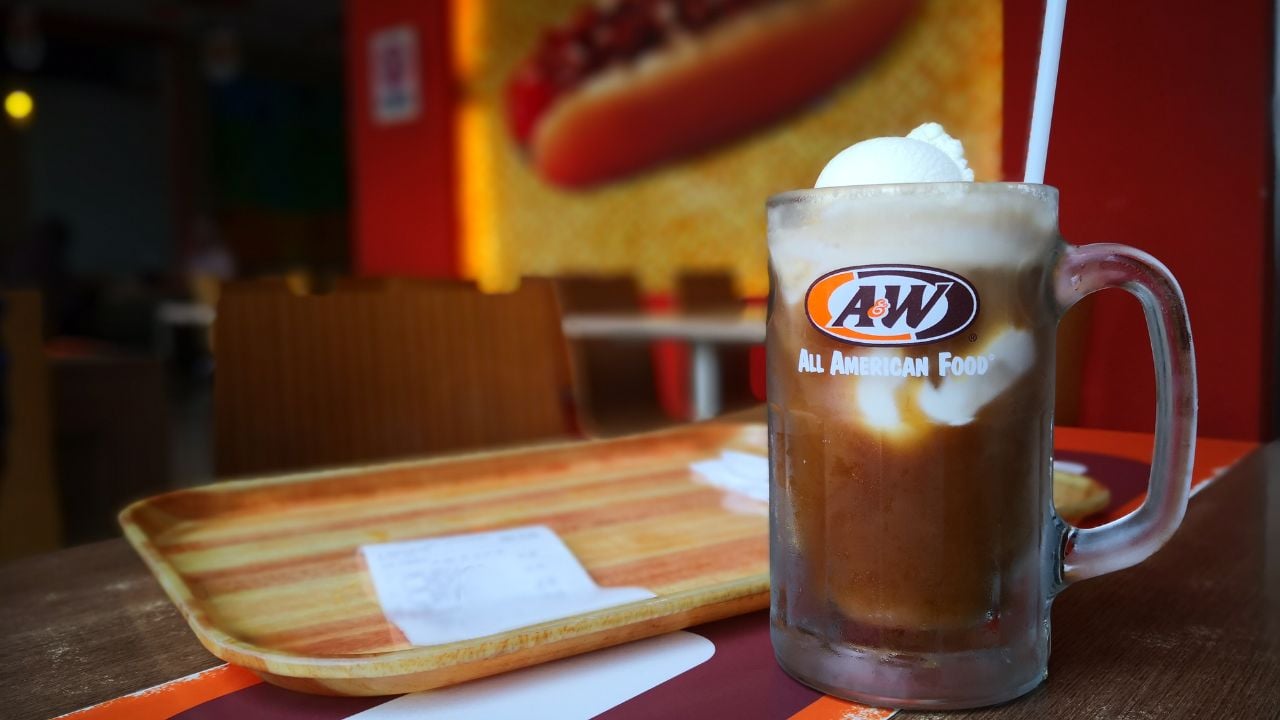
8. A&W's Carhop Root Beer
Houston got its own A&W root beer stand in 1922, just three years after the drink itself debuted in California.
A carhop walked the frosted mug straight out to the car, foam running down the glass before the driver had even parked.
A&W grew to about 2,400 drive-ins nationwide by the late 1960s, Texas locations included.
Then the interstate highway system rerouted drivers away from the old two-lane roads those stands sat on, and A&W's count started sliding.
Most of that count is gone now, and the handful of A&W locations still standing in Texas mostly hand root beer across a counter instead of out to a parked car.
A&W still frosts the mug.
The carhop mostly doesn't come out to the car anymore.
9. Corner Drugstore Floats
Charles Alderton mixed Dr Pepper by hand behind the counter at Morrison's Old Corner Drug Store in Waco in 1885, back when a pharmacist doubled as the neighborhood soda jerk.
One counter did it all.
Small-town pharmacies across the state kept a soda fountain up front for decades after that, pouring Dr Pepper floats and cherry phosphates for customers waiting on a prescription.
Drugstore chains started closing those lunch counters through the 1970s and 1980s as bottled soda took over grocery shelves, and the soda jerk behind the counter mostly disappeared with them.
A handful of small-town drugstores, in towns like Coleman and Galveston, still run their original fountains today.
Everywhere else, the counter where a pharmacist once built a Dr Pepper float by hand is long gone.
8 Brookshire's Deals Texas Shoppers Plan Their Week Around
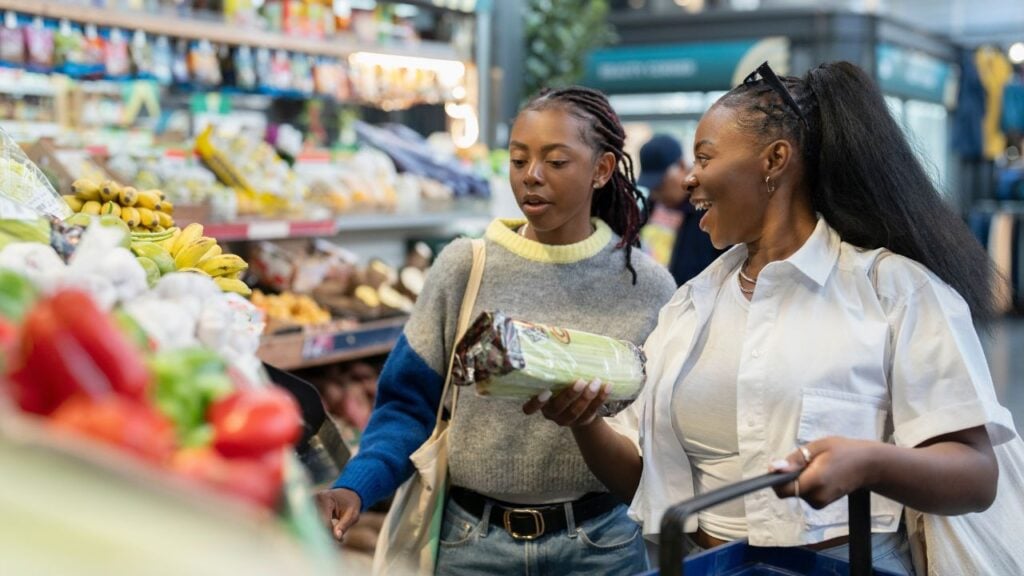
A Brookshire's shopper in Tyler hands over her ID at checkout, and her total drops before she even swipes her card.
The man behind her in line pays full price for the exact same cart, and he has no idea why.
8 Brookshire's Deals Texas Shoppers Plan Their Week Around
12 Texas Habits Transplants Can't Fake No Matter How Hard They Try
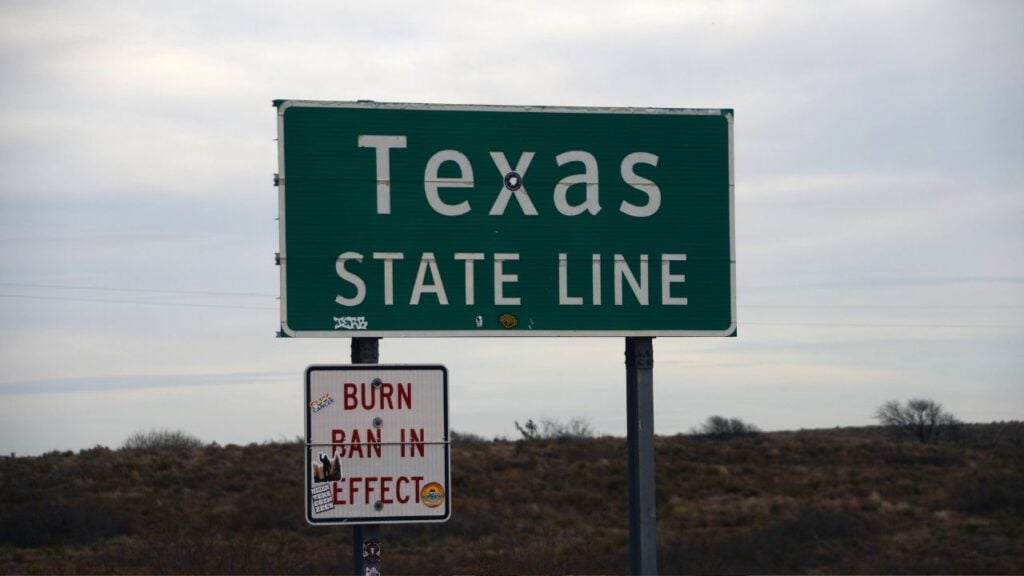
A Fort Worth native rattles off directions without blinking: Take FM 1187 past the feed store, then watch for the water tower.
A transplant just nods along, having no idea that "FM" stands for Farm-to-Market road.
12 Texas Habits Transplants Can't Fake No Matter How Hard They Try
