
20 Everyday Objects Invented for Totally Different Purposes. Have You Heard of Them, Louisianians?

Most Louisianians never stop to question the objects they use every day. The tape on your desk. The candy in your bag. The treadmill at the gym.
They just exist, familiar and ordinary.
But behind so many of these items are backstories that are anything but boring. Some started in hospitals. Others were born in factories, battlefields, or someone’s forgotten kitchen cup.
Once you learn their real origins, you’ll never look at your household stuff the same way again.
Bubble Wrap Was Supposed to Be Fancy Wallpaper
Two inventors thought they’d found the next big interior design trend: textured wallpaper. They sealed two shower curtains together to make a bumpy, modern-looking surface.
Interior designers didn’t exactly line up for it. The “wallpaper” flopped, but the material itself was oddly satisfying to touch.
IBM later discovered it worked perfectly for shipping their delicate equipment. That single pivot transformed a décor fail into a shipping essential.
And of course, it’s now a universal stress toy. No wall required.
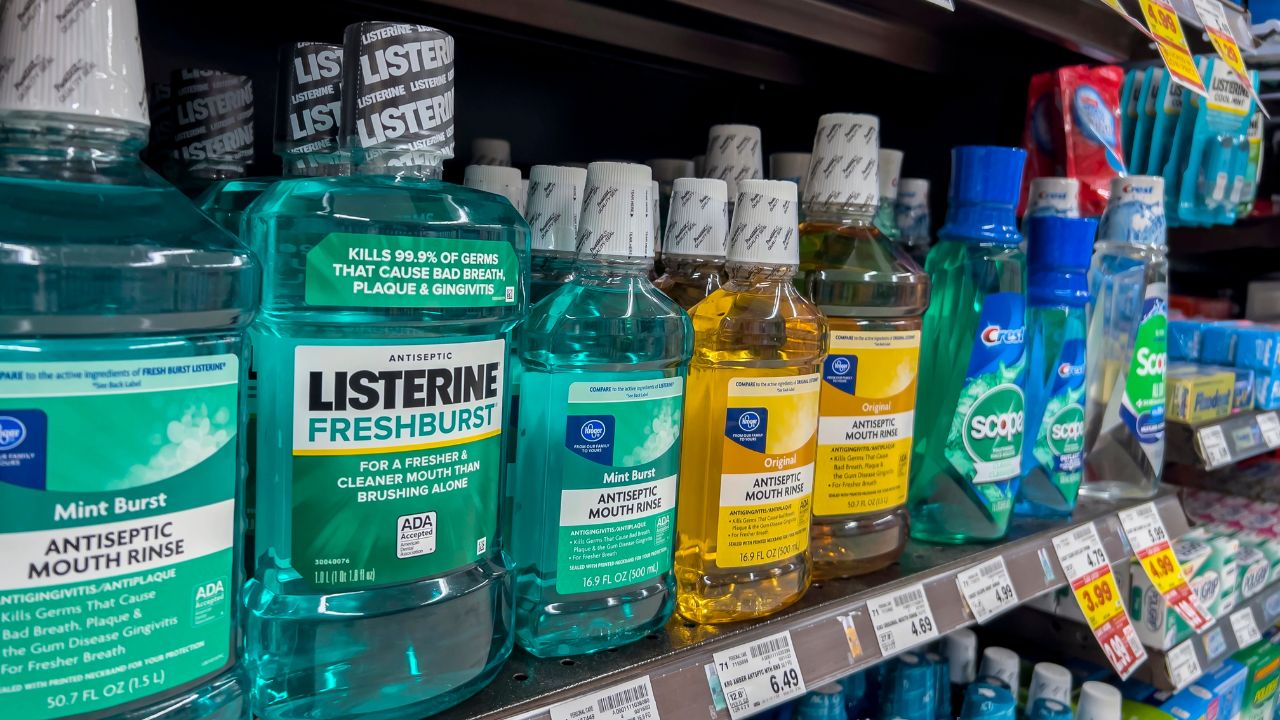
Listerine Started as a Floor Cleaner
When Listerine hit the market in the 19th century, it wasn’t for fresh breath. It was sold as a surgical antiseptic, a floor cleaner, and even—brace yourself—as a gonorrhea treatment.
Sales were modest until the company invented a new “disease”: chronic halitosis.
They marketed mouthwash as the cure for bad breath that people didn’t even realize they had.
The campaign worked like magic. Bottles flew off shelves as Americans suddenly felt self-conscious about their breath.
From disinfecting hospital floors to a date-night confidence booster, that’s quite the journey.
Play-Doh Was a Wallpaper Cleaner
Originally, this soft dough wasn’t made for kids. It was sold to clean soot off wallpaper back when homes ran on coal heat.
When coal started disappearing from American homes, so did demand for the cleaner. A teacher then noticed how easily children could shape it into fun little creations.
The product was rebranded, dyed in bright colors, and marketed to kids. It caught on almost instantly.
Instead of scrubbing walls, it became the stuff of make-believe pizzas and wobbly snowmen.
Treadmills Were Once Punishment Devices
The original treadmill was designed for prisoners. In the 19th century, inmates were forced to walk for hours on massive rotating wheels that powered mills or pumped water.
It wasn’t about health. It was hard labor.
Prisoners dreaded “the wheel,” as it was nicknamed, because of the endless, grueling steps.
Eventually, engineers modernized the mechanism for medical testing and later fitness. Suddenly, walking in place became a lifestyle choice.
We now pay monthly memberships to voluntarily do what prisoners once did for punishment. Irony on full display.
Popsicles Came From a Forgotten Cup
In 1905, an 11-year-old boy mixed soda powder and water in a cup, left it outside overnight, and found a frozen surprise the next morning.
He’d accidentally invented the first popsicle.
He held onto the idea for years before patenting it as a frozen treat on a stick. A company bought the rights and turned it into a national hit.
Soon, neighborhood kids were licking their way through summers with colorful frozen desserts. It was simple, sweet, and wildly popular.
All because someone forgot their drink outside.
Kotex Pads Were Originally for Soldiers
During World War I, nurses used Cellucotton bandages because they were cheaper and more absorbent than regular cotton.
Soldiers took notice and used them on the front lines.
After the war, the company behind the material saw another opportunity. They rebranded the product for civilian women as disposable sanitary pads.
At first, ads were discreet and vague, relying on word of mouth to spread the idea. Over time, Kotex became a trusted name.
What started as a battlefield innovation changed women’s hygiene forever.
Frisbees Were Once Pie Tins
In the 1940s, college students tossed empty pie tins from the Frisbie Pie Company around for fun. The tins were lightweight and surprisingly aerodynamic.
What began as a lunchtime game quickly turned into a campus craze. Students challenged each other with trick throws and catches.
Wham-O saw the potential, redesigned the tin in plastic, and launched the modern Frisbee.
Suddenly, it was more than a casual toss. It was a sport.
The original bakers probably never imagined their pie plates would lead to ultimate tournaments.
Vaseline Was a Byproduct of Oil Drilling
In the mid-1800s, oil workers noticed a gooey substance building up on their equipment. They also noticed it helped heal cuts and burns.
Chemist Robert Chesebrough refined the substance, named it Vaseline, and started selling it as a miracle balm.
He believed in it so much that he reportedly ate a spoonful every day.
People used it for everything: cracked lips, dry skin, scrapes, and even polishing shoes. Its versatility made it a household essential.
Not bad for something scraped off oil rigs.
Corn Flakes Were Part of a Religious Diet Plan
John Harvey Kellogg wasn’t trying to invent a popular breakfast cereal. He wanted to create bland foods he believed could curb “impure thoughts.”
Corn Flakes were part of his strict, health-focused diet regimen at his sanitarium. The cereal was intentionally plain, with zero sugar.
Kellogg’s brother saw the commercial potential. He added sweetness, ramped up production, and took it to the masses.
The modern cereal aisle is a long way from its original moral mission.
Tea Bags Were a Shipping Shortcut
Tea merchant Thomas Sullivan sent small silk bags filled with tea samples to customers. He assumed they’d open them and brew the leaves as usual.
Some didn’t. Instead, they dunked the entire bag into hot water, accidentally inventing a faster, cleaner brewing method. It caught on quickly.
Manufacturers refined the idea with paper filters and mass production. Suddenly, making tea became effortless.
What started as a shipping trick turned into a global daily ritual.
Super Glue Was Rejected for Being “Too Sticky”
During World War II, Dr. Harry Coover created a chemical compound while working on gun sights. It stuck to everything, absolutely everything.
Frustrated, the team shelved the idea. Years later, they rediscovered it and realized that its “problem” was actually its superpower.
The compound was rebranded as Super Glue and became a household fix-it tool. People used it to repair everything from broken toys to kitchen handles.
What was once a lab nuisance became a must-have in junk drawers everywhere.
Coca-Cola Was a Nerve Tonic
John Pemberton, a pharmacist, originally created Coca-Cola as a medicinal tonic for headaches and fatigue. It contained coca leaf extract and caffeine-rich kola nut.
When prohibition hit, he marketed it as a non-alcoholic drink. It became popular at soda fountains, where people gathered to socialize.
Over time, the “health” angle faded, and the sweet, bubbly flavor took center stage. Coca-Cola transformed into a cultural icon.
It’s hard to imagine it being sold next to cough syrups now.
Chainsaws Were Invented for Childbirth
The first chainsaws were designed in the 18th century to assist in childbirth, specifically, to cut through bone and cartilage during difficult deliveries.
They were small, hand-cranked, and terrifying by modern standards. Before cesarean sections became common, this was cutting-edge medical tech.
Eventually, the design evolved into the powered tool we use on trees today. It was faster and more efficient than axes.
Let’s just say its original use isn’t something you’d see in a hardware store ad.
Brandy Was Invented by Accident While Shipping Wine
Merchants in the 16th century concentrated wine to make it easier to ship, planning to add water back later. But when they did, the flavor had changed, for the better.
People loved the richer, stronger taste. The drink quickly became popular on its own, no dilution needed.
This accidental discovery gave rise to brandy, enjoyed in snifters by fireplaces rather than barrels on ships.
It’s a shipping hack turned centuries-long tradition.
Trampolines Were Training Tools for Astronauts
Before kids were doing flips in backyards, trampolines were used for serious training. NASA astronauts bounced on them to practice balance and spatial orientation.
Gymnasts also used them to perfect aerial maneuvers. The tool was all about precision, not playtime.
Eventually, someone saw the recreational potential and brought trampolines to homes. They became a suburban backyard favorite.
From outer space to neighborhood cookouts. Now that’s a jump.
Credit Cards Were Made for Restaurant Tabs
The modern credit card wasn’t invented for shopping malls. It started when a businessman forgot his wallet during a dinner and vowed to create a system that didn’t rely on cash.
In 1950, Diners Club introduced the first charge card for restaurants.
Members could eat now and pay later, revolutionary at the time.
Soon, airlines, hotels, and retailers joined in, expanding its reach. The convenience was addictive.
One awkward dinner became the foundation of modern finance.
Q-Tips Were Inspired by a Mother and Cotton Balls
Leo Gerstenzang watched his wife wrap cotton around toothpicks to clean their baby’s ears. It was clever but a bit dangerous.
He refined the idea, creating a safer version with cotton firmly attached to both ends of a stick. He named them Q-Tips.
They were marketed as baby care essentials. But Americans found dozens of other uses, especially for ear cleaning, despite medical warnings.
Old habits die hard, and Q-Tips stuck around.
Microwave Ovens Came from Radar Equipment
Engineer Percy Spencer was working with radar technology when he noticed a chocolate bar in his pocket had melted. Instead of ignoring it, he experimented further.
He realized the magnetron waves were heating food quickly. That discovery led to the first microwave oven, which was huge and expensive.
As technology improved, microwaves became smaller, cheaper, and eventually a kitchen must-have. By the 1970s, they were everywhere.
A melted candy bar changed the way Americans cook.
Post-it Notes Were Made From a Failed Super Glue
A 3M scientist was trying to make a super-strong adhesive and accidentally created a weak, pressure-sensitive one instead. At first, it seemed useless.
Years later, a colleague realized the “weak” glue was perfect for temporary bookmarks in his hymnbook. The idea snowballed from there.
They turned it into Post-it Notes, colorful, sticky reminders that could be peeled off without damage. Offices loved them.
A failed formula became a desk essential.
Matcha Whisks Were Originally Tea Ceremony Tools
The chasen, a bamboo matcha whisk, was crafted centuries ago for traditional Japanese tea ceremonies. It wasn’t designed for trendy lattes.
Each whisk was made by hand, with dozens of delicate tines to create a frothy, even bowl of tea. The process was ceremonial and precise.
When matcha culture spread to the U.S., the whisk came along. Americans adopted it for quick, foamy drinks at home.
From ancient rituals to TikTok mornings, it’s had quite a journey.
24 Items That Have Alarmingly High Levels of Microplastics
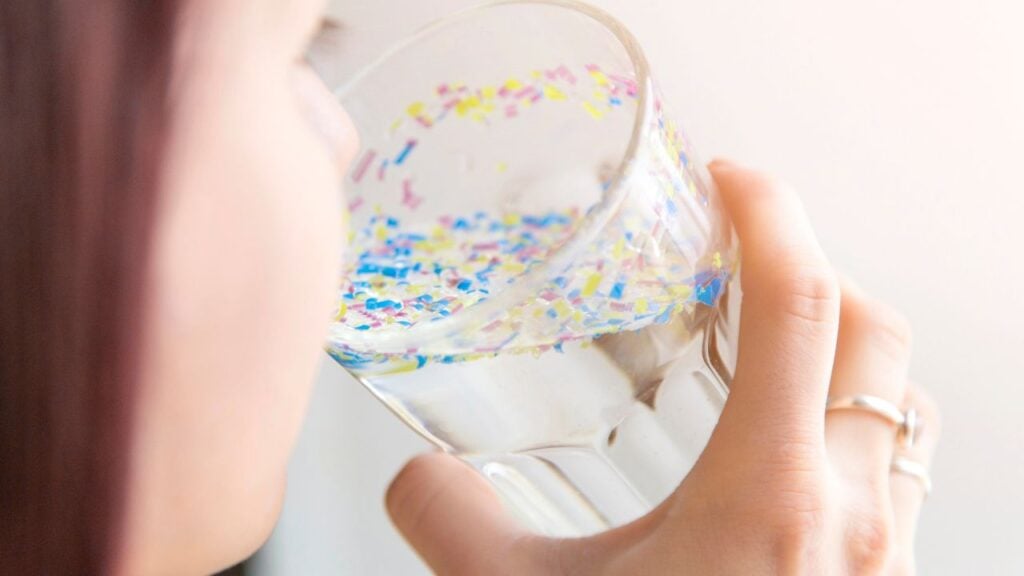
You can’t see, smell, or taste microplastics. But research reveals they’re showing up in our everyday lives.
Here are 24 common items where microplastics hide and why you need to pay attention.
24 Items That Have Alarmingly High Levels of Microplastics
17 Decor Items That’ll Make Your Home Look Cheap

No one wants to hear their home looks cheap. But sometimes, a cheap-looking home doesn’t reflect what you spent on it. It reflects the decor you chose.
17 Decor Items That’ll Make Your Home Look Cheap
Which Classic American Decade Is Totally You?
Take a quick break and discover which classic American era matches your personality and old-school soul. Our Decade DNA Quiz is fast, fun, and full of feel-good retro energy.
Meet Your Match. Discover Your Decade DNA. (Your Vintage Roots Are Showing)

