24 Items That Have Alarmingly High Levels of Microplastics

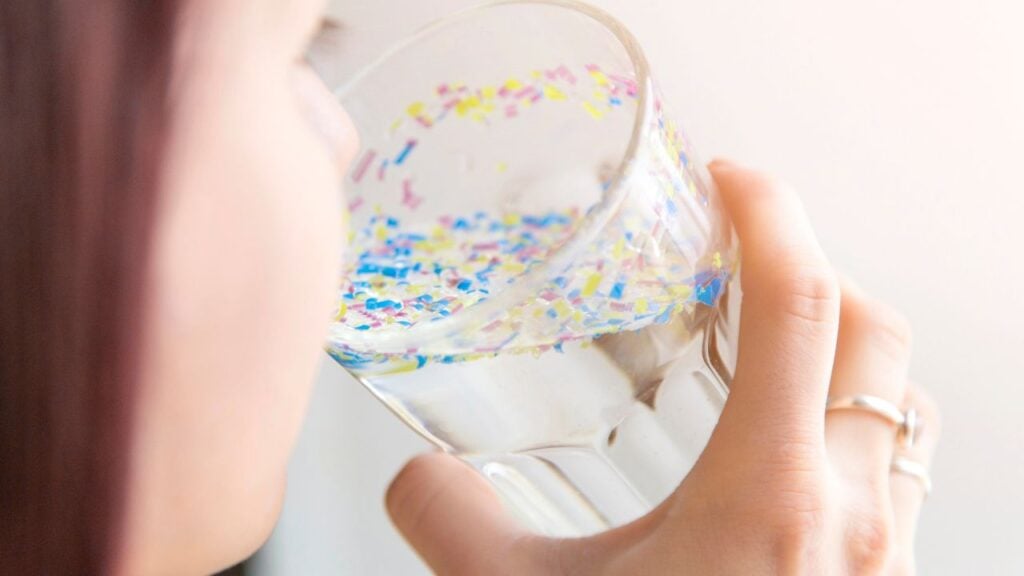
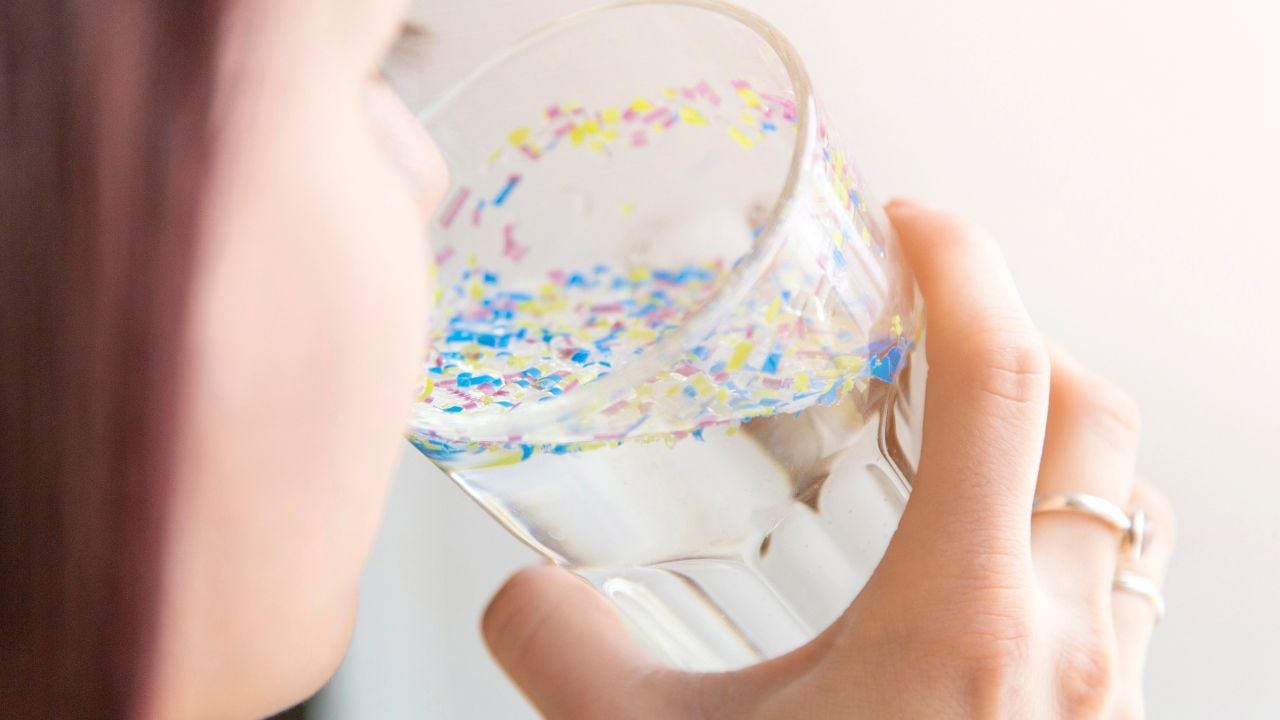
We’ve all heard about microplastics, but most of us still picture them drifting somewhere out in the ocean. The reality? They’re in our homes, our food, and even in our bodies.
These tiny plastic bits are sneaky. You can’t see, smell, or taste them, but research keeps proving they’re showing up in everyday life.
Here are 24 common items where microplastics hide and why you need to pay attention.
Tea Bags
That cozy evening tea you drink might not be so pure. Many pyramid or “silky” bags are made with nylon or PET plastic.
One study found a single tea bag can release 11.6 billion microplastics into your cup. Hot water makes them shed particles like crazy.
Even paper-looking bags aren’t always safe. Plastic glue seals often sneak in extra contamination.
If you love drinking tea, choose loose-leaf tea with a strainer. It reduces your microplastic intake, and you’ll feel classy doing it.
Seafood
Love shrimp or oysters? They often come with a side of plastic.
A study of 182 seafood samples found contamination in 99% of them. Shrimp and mussels were hit hardest.
Filter feeders like clams and oysters trap whatever’s in the water, including plastics. Farmed fish aren’t immune either.
That seafood platter at Red Lobster may be delicious, but it’s not plastic-free.
Bottled Water
Studies show bottled water carries some of the highest levels of microplastics anywhere.
Researchers found about 240,000 particles per liter, up to 100 times more than expected. Another study showed it often has twice as many particles as tap.
Filtered tap water usually wins. Even People magazine reported bottled brands are among the worst offenders.
As for reusable plastic bottles? Leave one in a hot car, and you’re basically brewing plastic tea.
Salt
Your salt shaker isn’t as clean as it looks. Sea salt in particular carries plastic leftovers from the ocean.
Studies found anywhere from 700 to 5,470 particles per kilogram in commercial salts.
Even Himalayan pink salt tested positive. Researchers reported a median of 466 particles per kg.
Sprinkle salt lightly, for you might be adding more than flavor.
Rice
Rice is a staple, but it’s not free of plastic. Instant rice is the biggest offender.
Researchers found instant rice can carry four times more microplastics than raw grains. That’s a shocking amount considering how common instant packets are.
Rinsing before cooking helps, but only cuts contamination by about 20–40%. Still, it’s a step worth doing if you’re eating rice often.
That microwaveable cup is quick, sure. But it’s not so clean, and the convenience may come with an invisible cost.
Plastic Cutting Boards
Every chop on plastic cutting boards releases tiny plastic shavings.
Studies estimate they can shed millions of particles each year into your food. That means salad prep could come with a hidden, unwanted garnish.
Polypropylene boards break down even faster than polyethylene. Over time, knife marks only make the problem worse.
Bamboo and wood cutting boards are safer, sturdier, and prettier for your kitchen. And best of all, they don’t leave plastic shreds in your dinner.
Chewing Gum
Chewing gum isn’t just sugar. It’s plastic in disguise.
A UCLA study found chewing gum releases 100 to 600 microplastic particles per gram, adding up to about 30,000 pieces per year for regular chewers.
Natural gum exists, but it’s rare and pricey. You won’t find it at the CVS checkout aisle.
So, that stick of Wrigley’s you love might be more plastic than candy, and it lingers long after the flavor’s gone.
Beer
That frothy pint in your beer might have a hidden ingredient.
Researchers tested 12 beers made with Great Lakes water and found microplastics in every single one. Fibers and fragments averaged about four per liter.
Even the brewing process and water sources can’t filter them out. The contamination starts before the beer even hits the bottle.
Your weekend IPA is likely served with a microplastic twist, no matter how artisanal the label looks.
Honey
Honey feels natural, but even bees can’t dodge pollution.
A 2024 study confirmed that honey samples contained microplastics from environmental exposure. Another 2025 paper found widespread contamination across honey types.
Bees pick up dust and fibers while collecting nectar. Those particles end up back in your honey jar.
That squeeze bear bottle you use is sweet but not spotless, as plastic comes with the honey.
Milk
Yes, even milk has shown microplastic contamination.
Researchers found 204–1,004 particles per 100 mL in cow’s milk samples. Another 2025 study found microplastics in dairy and cheese, including PET and polyethylene.
Processing and packaging are major sources of contamination. Cartons and plastic linings don’t help.
That latte foam at Starbucks isn’t just oats and coffee. There’s a little plastic mixed in, too.
Meat
Farm animals eat food and water laced with plastics.
A recent study found microplastics in 88% of protein samples, including beef, pork, and plant-based meats.
Ground meat often carries more, due to extra processing. Every added step increases exposure.
That burger on your grill likely isn’t as pure as it looks, even with organic labels.
Coffee Pods
Single-serve coffee feels easy, but it comes with plastic perks (if you want to call them that).
Studies show that packaging in hot conditions leaches microplastics into beverages, and pods are no exception.
Even “eco” versions may hide thin linings. The design might look green, but it doesn’t guarantee clean.
A French press is greener and cleaner. Plus, it feels like a café moment at home.
Canned Foods
Cans aren’t just metal. Most are lined with plastics.
Recent research shows these linings shed microplastics into acidic foods like tomatoes. Other studies confirm leaching from everyday packaging.
The longer the food sits, the higher the contamination risk. Soups, beans, and soda aren’t exempt.
Glass jars are bulkier, but safer on the microplastic front.
Baby Bottles
Plastic baby bottles are leaching machines.
A 2020 study found that formula mixed in polypropylene bottles can expose babies to millions of microplastics daily.
Heating bottles makes things worse. Hot water speeds up particle release.
Glass bottles are a safer swap that gives parents more peace of mind.
Toothpaste
That minty paste you use every day may hide plastic extras.
Some toothpastes still contain polymers or microbeads despite bans. Reviews confirm microplastics remain in everyday dental care.
Tiny bits get swallowed, and the rest wash into waterways. It’s a cycle that brings the plastic right back.
Natural pastes clean without the plastic, and they still leave your breath fresh.
Fruits and Vegetables
Even fresh produce isn’t safe from microplastics.
Studies reveal that packaging and farming practices add plastic to produce. Washing helps, but it doesn’t fully remove them.
Soil, irrigation water, and handling all play a role. Pollution touches every part of farming.
That smoothie bowl you eat is pretty, but not pure, and the toppings don’t hide the problem.
Fast Food Wrappers
Your burger wrapper isn’t just paper.
Many are lined with grease-resistant coatings that shed microplastics onto food. Fries, pizza boxes, and even bakery bags share the problem.
The hotter the food, the more particles it picks up. Heat and grease are the perfect mix.
That Big Mac wrapper? A hidden plastic layer, no matter how convenient.
Ice
Ice cubes seem innocent, but they’re not.
Freezing doesn’t remove microplastics already in water. Instead, they just freeze in place.
Commercial ice machines add more contamination from tubing and bins. Even storage containers shed particles.
That Jack and Coke is served chilled but with extras you didn’t order.
Clothes
Did you know your laundry releases plastics every wash?
Synthetic fabrics like polyester and nylon shed thousands of fibers each cycle.
Sportswear and fleece are the worst offenders. Even “eco” blends still shed plastics.
Cotton and linen are safer swaps that look good and wear well without contaminating the environment as much.
Air
Even the air isn’t safe from microplastics anymore.
Scientists have detected microplastics in remote places like Arctic snow and mountain air, proving they travel long distances on wind currents. Household sources like carpets and clothing shed fibers into the air.
Each step or vacuum stirs more up. You’re breathing plastic without realizing it.
Every breath may carry dust, and it’s not just dirt.
Tap Water
Tap isn’t perfect, either.
Microplastics were detected in 94% of U.S. tap water samples, showing how widespread the problem is.
The issue isn’t limited to America; global testing shows contamination across multiple countries.
Old pipes and treatment plants only add to the issue. The infrastructure itself is part of the problem.
Filters help, but they can’t catch everything, though they’re still worth using.
Cosmetics
Beauty products often hide plastic.
Some scrubs and makeups still contain microbeads and polymers despite bans. Lip gloss and mascara are frequent offenders.
Shiny finishes and long-lasting formulas often come from plastics. The labels rarely say it outright.
That glow might be plastic-powered, and not the kind you want on your skin.
Household Dust
Dust bunnies are plastic too.
Studies show a surprising share of household dust is made of microplastics. Most come from synthetic fabrics, carpets, and furniture.
Kids face the biggest risk since they’re close to the floor. They’re breathing in more than just dirt.
Your Roomba isn’t just battling pet hair. It’s vacuuming plastic fibers too.
Bottled Sodas and Juices
Sodas aren’t just sugar bombs, they’re plastic bombs.
A 2025 study confirmed that everyday packaging, including bottles and caps, sheds tiny plastic particles into beverages.
The problem isn’t just soda. Juices and flavored waters also test positive for plastic contamination.
So, the Coke you love to drink is fizz with a side of plastic, and it’s not on the label.
Remember When Everything Had Color? These 18 Things Definitely Did
There was a time when even the most ordinary things were bursting with color.
But now?
We’ve swapped charm for minimalism, and for some reason, we all agreed to pretend it’s better. Here are some everyday things that used to be colorful but aren’t anymore.
Remember When Everything Had Color? These 18 Things Definitely Did
17 Life Hacks That Are Harder Than the Non-Hack

Life hacks are supposed to make your life easier, and sometimes they really do. However, the internet is rife with hacks that aren’t actually effective.
17 Life Hacks That Are Harder Than the Non-Hack
Which Classic American Decade Is Totally You?
Take a quick break and discover which classic American era matches your personality and old-school soul. Our Decade DNA Quiz is fast, fun, and full of feel-good retro energy.
Meet Your Match. Discover Your Decade DNA. (Your Vintage Roots Are Showing)