

24 Healthy Habits Montanans Have That Quietly Do More Harm Than Good

If something promises clearer skin, better sleep, or eternal youth, Montanans and Americans across the country are in, water bottles, step counters, and all.
But sometimes the things we do “for our health” quietly work against us.
Here are the healthy habits many people swear by that might be doing more harm than good.
Skipping Breakfast in the Name of Intermittent Fasting
Skipping breakfast might sound like a willpower win, but for a lot of people, it’s just a fast track to a crash.
Intermittent fasting works for some people, but not everyone’s body loves running on fumes until noon. By the time you finally eat, you’re not “mindfully breaking your fast,” you’re inhaling half a bagel and a cold brew.
Missing that first meal can also backfire later, leading to overeating, irritability, and that mid-afternoon fog that no green juice can fix. Sometimes the most “disciplined” thing you can do is actually have breakfast.
Your metabolism, and your coworkers, will thank you.
Overdoing the Protein
The word “protein” has become the magic password for anyone trying to be healthy. Protein coffee, protein cereal, protein water, yes, it exists.
But too much of a good thing can still be too much. The average American already eats more protein than needed, and overdoing it can strain your kidneys or crowd out other nutrients.
When every meal looks like a bodybuilder’s prep plate, your body misses the balance that keeps digestion and hormones steady.
Sometimes, a handful of almonds and an apple beat another scoop of powder.
Drinking Too Much Water
Hydration is good. Obsession is not.
There’s this belief that if you’re not carrying a giant Stanley cup everywhere, you’re basically a raisin. But the truth is, you can absolutely drink too much water, and yes, it can throw off your electrolytes.
Overhydration can make you feel bloated, dizzy, and constantly running to the bathroom, which ironically dehydrates you further.
You don’t need to outdrink an athlete just to sit at a desk.
Over-Exercising Without Rest Days
No pain, no gain, until you can’t move your neck.
Many Americans think daily workouts prove commitment, but without rest, all that effort backfires. Over-exercising breaks down muscle tissue, elevates stress hormones, and can tank your immune system.
It’s great to lift weights or jog, but recovery isn’t laziness, it’s where progress actually happens.
If your body feels like it’s plotting revenge, it’s time to schedule a rest day.
Living on “Healthy” Packaged Snacks
You know those bags that say “Made with real fruit” and “All natural”? Yeah, that’s marketing poetry, not nutrition.
Many “healthy” bars and chips are loaded with added sugars, seed oils, and syrups that spike blood sugar just as fast as a candy bar.
They’re convenient, sure, but they keep you on the snack treadmill, always hungry, always searching for the next “clean” fix.
If the ingredient list looks like a chemistry set, it’s not really health food.
Turning Every Walk Into a Fitness Metric
Walking used to be relaxing. Now it’s a math problem.
Between counting steps, monitoring heart rates, and comparing “zones,” Americans have managed to turn a simple stroll into an Olympic event.
It’s great to stay active, but when your “mindful walk” feels like a competition with your smartwatch, the mental benefits vanish.
Maybe the healthiest move is sometimes leaving the Fitbit at home.
Swapping Meals for Smoothies
Smoothies are colorful, fun, and photogenic, but not always filling.
When you blend fruit, protein powder, and oat milk together, it might taste “nutritious,” yet it often lacks the fiber and balance your body needs. You’re hungry again an hour later and wondering why you’re cranky.
Worse, many smoothies are sugar bombs in disguise. A 20-ounce blend can pack as much sugar as a milkshake.
Your body knows the difference, even if your Instagram followers don’t.
Popping Too Many Supplements
Vitamins are supposed to “fill the gaps,” not replace entire food groups.
But with aisles full of gummies and capsules, Americans often take more than they need, sometimes dangerously so. Fat-soluble vitamins like A and D can build up in your system, and megadoses of anything rarely end well.
What’s worse, many supplements aren’t even regulated for purity or potency. You could be swallowing nothing useful, or too much of the wrong thing.
If your daily pill count rivals your grandma’s, it’s time to reassess.
Avoiding the Sun Completely
We’ve all been told “wear sunscreen” so often that some people treat sunlight like poison.
Yes, skin protection matters, but so does vitamin D. Avoiding sunlight altogether can lead to fatigue, low mood, and weak immunity.
You don’t need to roast like a rotisserie chicken, but ten minutes of natural light a day can do wonders for your body and mind.
Sometimes health means balance, not hiding under a hat forever.
Using “Detox” Products and Cleanses
The only organ that detoxes your body is your liver, not a juice cleanse, not a patch, not that $40 “detox tea.”
Cleanses might make you feel virtuous for a few days, but they can also strip nutrients and slow metabolism. The weight loss is mostly water, not “toxins.”
The real “detox” is eating balanced meals, sleeping enough, and letting your body do what it’s already built to do.
You don’t need a lemon-cayenne shot to feel clean.
Sitting on a Stability Ball at Your Desk
It sounds genius, core engagement while working! But eight hours on a bouncy ball? Not so great.
Using one occasionally can help posture, but full-time sitting on a stability ball strains your back and hips. Your core gets tired fast, and then the slouching begins.
A supportive chair and standing breaks do more good than wobbling through your emails.
Sometimes stability means… an actual stable seat.
Obsessing Over “Clean Eating”
“Clean eating” started as a good idea, whole foods, fewer additives. Then it spiraled into guilt, restriction, and judgment.
When every bite has moral weight, food becomes a stress trigger instead of nourishment. That’s not wellness; that’s anxiety with a side salad.
Balance doesn’t mean “dirty.” It means you can eat quinoa and cheesecake in the same week without an identity crisis.
Food should be fuel, not a personality test.
Brushing Teeth Right After Eating
It feels responsible, right? Eat, then brush immediately. But if you just had something acidic, like citrus or coffee, you’re brushing acid into your enamel.
Dentists recommend waiting at least 30 minutes to let saliva neutralize your mouth.
So if you’re polishing your teeth post-orange juice every morning, you might actually be doing harm.
Sometimes waiting a bit is the healthier habit.
Taking Sleep Supplements Every Night
Melatonin gummies can be helpful occasionally, but not as a bedtime crutch.
When your brain relies on supplements to fall asleep, it can weaken natural sleep cues and disrupt your cycle.
Instead, try winding down with consistent routines: dim lights, no screens, a warm shower. Old-fashioned, yes, but it works.
You can’t hack your way to rest.
Over-Sanitizing Everything
Germs are bad, sure, but they’re also part of how your immune system learns.
With all the sanitizing wipes, sprays, and antibacterial soaps, Americans have created environments so sterile that even good bacteria get evicted.
Over-cleaning can contribute to allergies and weakened resistance to everyday microbes.
A little dirt won’t kill you, but constant Clorox might.
Always Choosing “Low-Fat” or “Sugar-Free”
Those “better” labels often mean “loaded with chemicals.”
When fat or sugar is removed, it’s usually replaced with something artificial to make up for taste. These substitutes can mess with your digestion and even trigger cravings.
Whole milk and real sugar, in moderation, are often less harmful than the ultra-processed alternatives.
Your body knows what to do with real food, not mystery ingredients.
Drinking Green Juice Every Day
A daily green juice seems like wellness in a bottle, but without the fiber, it’s mostly liquid sugar and a vitamin illusion.
Juicing removes the parts of produce that help regulate blood sugar and digestion. What’s left spikes insulin faster than you’d expect.
It’s fine once in a while, but drinking your veggies isn’t the same as eating them.
Chewing still counts as self-care.
Using Fitness Trackers Obsessively
Data can motivate you, until it starts dictating your mood.
When every workout, calorie, and heartbeat is tracked, you lose touch with how your body feels. Some Americans won’t sleep unless their tracker confirms they “slept well.”
That’s not health; that’s surveillance.
Try one day of movement without recording it. You might remember why you liked it in the first place.
Multitasking During Meals
Working lunches, texting dinners, Netflix breakfasts, Americans rarely just eat.
But distracted eating confuses your hunger cues and can lead to overeating. You finish your plate but don’t feel satisfied because your brain never got the memo you were eating.
Even five mindful minutes can make a difference.
Your digestion loves your full attention.
Using Ice Baths for Every Ailment
Cold plunges are trendy, and sure, they can reduce inflammation. But daily freezing dips aren’t magic, and they’re stressful on your heart if you’re not careful.
Americans often push too far, thinking “more discomfort equals more benefit.” That’s not how physiology works.
Moderation matters, even in cold tubs.
Sometimes, a warm shower and a walk do more for recovery than pretending you’re in Antarctica.
Taking “Wellness” Advice from TikTok
For every solid piece of health advice online, there are ten others that sound like they came from a smoothie cult.
TikTok trends can be fun, but they’re not medical research. From dry scooping pre-workout to sniffing essential oils for anxiety “detox,” these habits can cause real harm.
Wellness shouldn’t be a social experiment.
If your health routine starts with “I saw this girl on TikTok say…,” maybe pause there.
Relying on “Healthy” Alcohol Swaps
Spiked kombucha, hard seltzer, “low-sugar” cocktails, the marketing is clever, but alcohol is still alcohol.
These “lighter” versions might go down easier, but they can still affect sleep, hydration, and mental health.
If your wellness night includes three “clean” margaritas, you might’ve missed the point.
Healthier doesn’t mean healthy.
Treating Coffee as a Meal
A latte isn’t breakfast, no matter how much oat milk you add.
Running on caffeine instead of calories spikes cortisol and sets you up for an energy crash. It feels productive, until you’re jittery, hungry, and wondering why your hands are shaking.
Coffee’s great. It’s just not fuel.
Pair it with real food, and your day will go smoother.
24 Items That Have Alarmingly High Levels of Microplastics
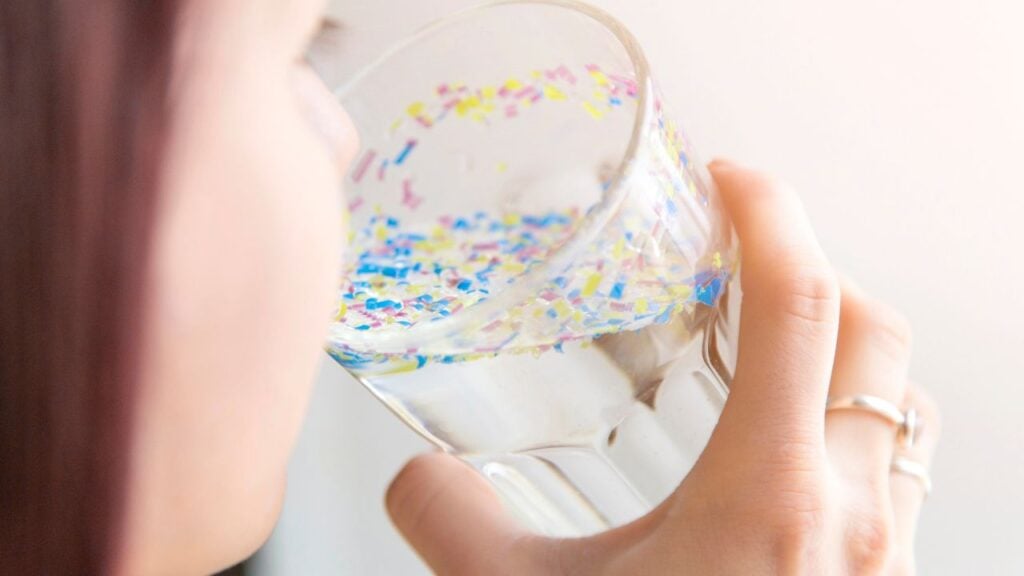
You can’t see, smell, or taste microplastics. But research reveals they’re showing up in our everyday lives.
Here are 24 common items where microplastics hide and why you need to pay attention.
24 Items That Have Alarmingly High Levels of Microplastics
17 Decor Items That’ll Make Your Home Look Cheap

No one wants to hear their home looks cheap. But sometimes, a cheap-looking home doesn’t reflect what you spent on it. It reflects the decor you chose.
17 Decor Items That’ll Make Your Home Look Cheap
Think You Belong in a Different Decade?
From big bands to big hair, our playful Decade DNA Quiz reveals which classic American era fits your personality best. It’s fast, fun, and full of vintage flair.
Meet Your Match. Discover Your Decade DNA. (Your Vintage Roots Are Showing)

