
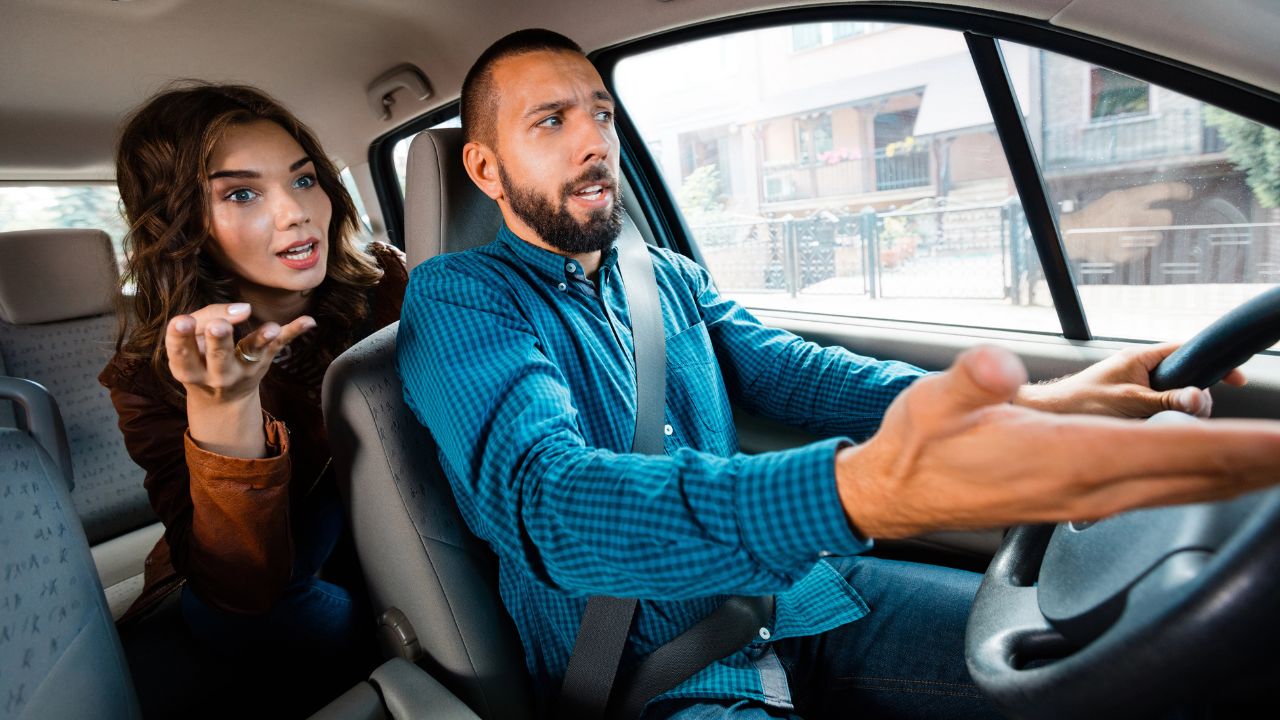
19 Rude Things New Yorkers Do in Ubers

Floridians hop into Ubers every day, but some ride customer habits cross the line.
Drivers see everything: loud calls, messy snacks, sudden temperature takeovers, and behavior that would never fly in a friend’s car.
Here are the rude things many New Yorkers and Americans across the country do in Ubers, sometimes without even realizing it.
Ignoring the Basic Greeting
Many drivers say the simplest courtesy is still the most skipped. A quick “Hi, how’s your day?” sets the tone, but plenty of riders breeze in without a word.
It feels like walking into a small room and pretending no one is there.
Some drivers try to offer an opening line or friendly nod, yet the silence continues. It creates a weird tension that lingers long after the seatbelt clicks.
Passengers may claim they’re tired, stressed, or distracted, which is fair. Still, a polite greeting takes one second and helps everyone feel human in the exchange.
Even if small talk isn’t your vibe, a quick hello goes a long way in someone else’s workspace.
Treating the Car Like a Trash Can
Uber drivers frequently report finding cups, wrappers, and random bits of mystery lint scattered across their seats after a quick ride. Some riders leave things behind as if the car magically resets itself like a hotel room.
Tossing trash under the seat or into pockets is even worse. Drivers eventually find it during cleaning, and no one wants surprise old fries under the floor mat. That smell never leaves.
Uber drivers pay for their own upkeep, which makes careless messes feel extra disrespectful. The rider might save five seconds, but the driver loses time and money cleaning up later.
A small piece of trash is an easy fix. Keeping it until you exit is even easier.
Eating Messy Food
Americans love to multitask, especially when hunger strikes. But unwrapping a saucy burger or shaking a powdered donut bag in a moving car never ends well. Crumbs travel. Sauces drip. Smells linger.
Drivers report everything from melted ice cream stains to lettuce explosions. Many politely request not to eat during the trip, but some riders still go for it anyway.
Even “clean snacks” like chips become a problem. The crunch alone makes drivers brace for falling crumbs. And some riders hold the bag as if gravity is a suggestion.
If you really must eat, choosing something neat and self-contained is the kindest option.
Adjusting the Climate Without Asking
A surprising amount of Uber conflict comes from temperature control. Some riders immediately reach for the vents, knobs, or buttons like they’re in their own car.
Drivers often set the temperature for visibility, comfort, or safety. A sudden blast of hot or cold air can fog the windows or make the driver uncomfortable during long shifts.
Asking is simple and respectful. Most drivers will happily adjust it for you. Sneaking in a climate takeover only causes awkwardness.
Treat the temperature like someone else’s thermostat, because it is.
Taking Phone Calls on Speaker
Speakerphone conversations are so normalized that many forget how loud and disruptive they are in a small space. From work meetings to family drama, drivers hear it all, whether they want to or not.
The worst part is when the calls are personal. Breakups, arguments, and medical updates; Uber cars have unintentionally hosted entire soap operas.
No one asked to be part of them.
Holding the phone normally or using earbuds keeps the noise contained. It also respects the fact that the driver is navigating a car with a stranger’s voice blasting inches away.
A quiet ride is a safe ride.
Slamming the Door
Drivers talk about this a lot. Hard door slams can damage the hinges, sensors, or alignment, especially on smaller cars.
Yet many people close an Uber door with the enthusiasm of sealing a bank vault.
Some call it a habit. Others blame heavy backpacks or arms full of luggage. But the force is unnecessary most of the time.
A gentle click works. It also signals awareness that the car does not belong to you and repairs aren’t free for the driver.
Closing a door softly is one of the easiest signs of respect.
Treating the Driver Like a Chauffeur
There is a difference between a paid ride and a personal servant. Some riders blur that line by giving commanding directions, demanding immediate stops, or treating the driver like someone on payroll.
Barking “Go faster” or “Turn here now” isn’t only rude. It’s unsafe. Drivers follow the GPS and traffic laws. Being bossy adds stress for both parties.
Requests are welcome. Orders aren’t. It’s a ride service, not a royal carriage.
Politeness gets you farther anyway.
Making the Car Smell Strange
Strong perfumes, fast food, vape clouds, and recently smoked clothing all leave lingering scents. Drivers rotate passengers, so a smell that sticks for hours can affect multiple rides.
Some riders even spray fragrance in the car to “freshen it up.”
This is wildly invasive. The scent may be too strong, trigger allergies, or conflict with the driver’s preferences.
Odors also reflect on the driver’s professionalism through no fault of their own. The next rider might immediately lower the rating because of it.
A neutral scent is always safest.
Asking Personal Questions Without Boundaries
Drivers get a lot of intrusive questions from some passengers. Everything from relationship status to income to immigration history comes up more often than you might expect.
Some riders mean well or think they’re being friendly. But overly personal curiosity can feel uncomfortable or inappropriate.
When conversation flows naturally, great. When a rider interrogates the driver like a reality show contestant, not so great.
If the driver opens the door for deeper topics, go for it. If not, let the chat stay casual.
Treating the Driver Like a Therapist
Some people find it helpful to vent during stressful moments, and sometimes an Uber becomes the nearest outlet. Drivers have heard about bad breakups, terrible bosses, family fights, and existential crises.
But dumping emotional weight on a stranger who cannot leave the moving vehicle puts them in an awkward position. They’re there to drive, not to manage feelings.
Light conversation is fine. Oversharing without checking in creates discomfort.
Drivers are workers, not emotional support staff.
Asking for Illegal Favors
Drivers commonly encounter riders who ask them to speed, run lights, ignore traffic signs, or drop them off in restricted areas. Some even ask for rides off the app for cash.
These requests put drivers at risk of fines, deactivation, or accidents. Yet many riders treat them like casual suggestions.
It’s unfair to expect someone to jeopardize their livelihood to save a few minutes.
If you would not do it in your own car, do not ask someone else to do it in theirs.
Blasting Personal Music
Some riders connect their phone to the car or crank up their own device without asking. Music tastes vary widely, and not everyone wants to hear heavy bass at 8 a.m.
Even small Bluetooth speakers have caused awkward moments. The entire car becomes an involuntary audience.
Drivers are often happy to play your music if you ask. It keeps the volume controlled and everyone comfortable.
Shared space works best with shared decisions.
Treating the Car Like a Lounge
Putting feet on seats, sprawling across the bench, or leaning hard against interior panels crosses basic etiquette lines. The car isn’t a living room or sofa.
Some riders even take their shoes off, which instantly becomes a sensory event no one asked for. Drivers report this as one of the biggest unspoken pet peeves.
Respect for the space makes the ride smoother for everyone. Your comfort should not burden the driver’s time, cleaning, or air quality.
If it feels like something you would not do in someone’s home, avoid doing it in an Uber.
Not Wearing a Seatbelt
Some people hop in the back seat and sit without fastening the belt. It seems minor, but it puts the driver and passenger at risk during a sudden stop.
Drivers can be held liable if a passenger is injured and not buckled. It’s also illegal in many states.
Seatbelts are one of the easiest safety steps. A quick click helps everyone stay protected.
It also sends a message that you value the driver’s responsibility.
Being Vague About the Destination
Some riders provide only part of the address, change plans mid-route, or say, “I’ll tell you where to go later.” This complicates the ride and makes navigation stressful.
Drivers prefer clear directions from the start. They rely on the GPS, timing, and route estimates to do their job efficiently.
Changing the plan is fine when necessary, but clarity helps keep the ride smooth. Ambiguity slows everything down.
A clear address helps the driver help you.
Expecting Silence or Conversation on Demand
Some riders want absolute quiet. Others want the driver to chat endlessly. Trouble arises when expectations aren’t communicated and the rider silently stews over it.
Drivers try to read the mood, but it’s not an exact science. Some riders give mixed signals or contradict their own preferences mid-ride.
A simple “I’m going to relax quietly” or “I’d love to chat” removes the guesswork.
Clear communication beats silent frustration every time.
Leaving Low Ratings for Personal Preferences
Some Uber customers use ratings for things outside the driver’s control. Traffic. Weather. Car model. Music choices they never commented on. Even general mood.
Drivers rely on ratings for job security. A low score based on something trivial can hurt their standing or income.
Before rating harshly, consider whether the issue was an actual problem or just a personal preference you never communicated.
Fair ratings keep the system honest.
Treating the Ride Like a Group Hangout
When multiple people pile into a ride, some treat it like a moving party. Loud jokes, shouting, sudden seat movements, or chaotic energy can distract the driver.
Group rides also create more mess and noise. Even the friend who swears they will behave usually gets louder as the ride continues.
Drivers appreciate calm, respectful energy, especially during late nights when safety matters most.
A fun ride is great. A disruptive one isn’t.
Not Being Ready When the Driver Arrives
One major complaint from drivers is waiting several minutes for a rider who is “just coming” but still inside finding shoes, makeup, keys, snacks, and sometimes both socks.
Uber drivers operate on tight timing and are paid for distance, not the extra waiting time. Every minute counts, especially during busy hours.
Being ready prevents frustration and keeps the system moving smoothly.
If you would not keep a friend waiting in the driveway, do not keep your driver waiting either.
21 Words People Think Are Polite But Secretly Annoy Everyone

There’s a fine line between being polite and being passive-aggressive.
These are some of the “nice” phrases that are secretly rubbing the rest of us the wrong way.
21 Words People Think Are Polite But Secretly Annoy Everyone
18 Phrases That Make People Sound Rude Without Realizing It

Many everyday phrases are often said without malice. But they can make people feel brushed off or misunderstood.
These are some of the common expressions you’re probably using that are doing more harm than good.
18 Phrases That Make People Sound Rude Without Realizing It
Think You Belong in a Different Decade?
From big bands to big hair, our playful Decade DNA Quiz reveals which classic American era fits your personality best. It’s fast, fun, and full of vintage flair.
Meet Your Match. Discover Your Decade DNA. (Your Vintage Roots Are Showing)

