
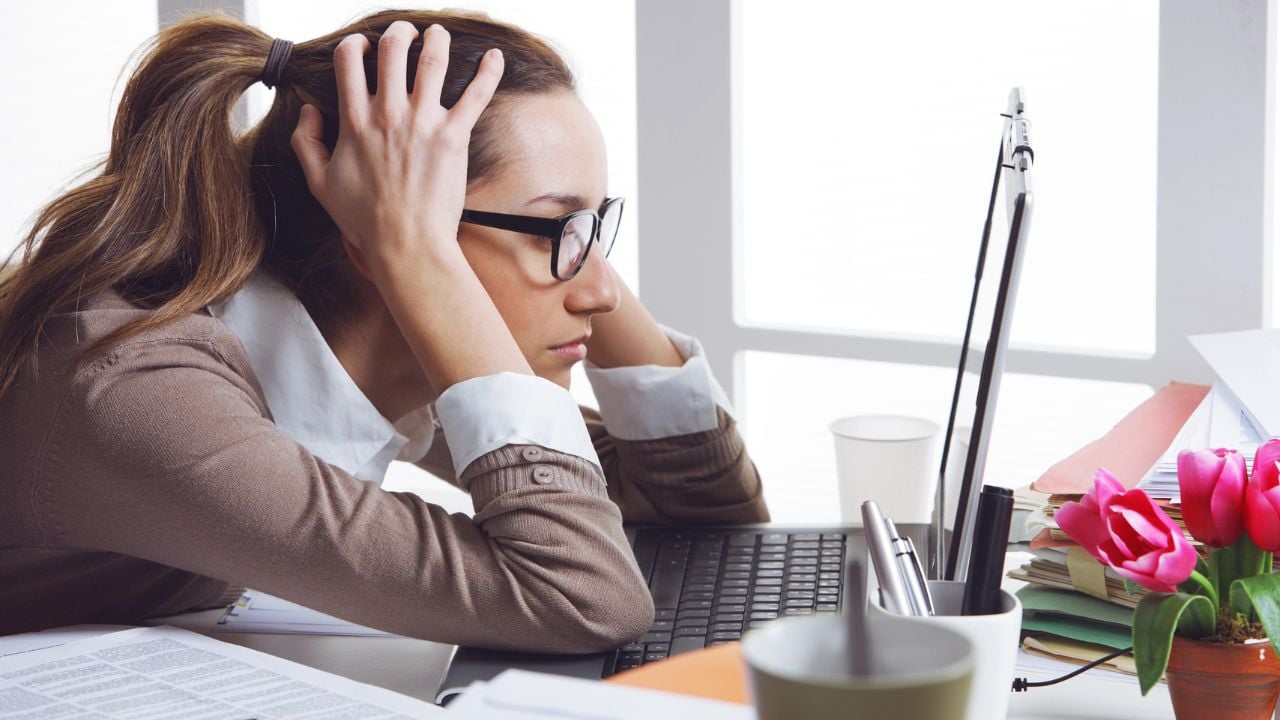
19 Subtle Signs Your Body Is Begging for Rest That So Many Oklahomans Ignore

Many Oklahomans are great at pushing through tiredness. There’s always one more task, one more email, and one more reason to stay up late. Rest slips to the bottom of the list.
But your body doesn’t stay quiet. It sends subtle signals when it’s running low on energy. Most people shrug them off until exhaustion hits hard.
Here are the subtle signs your body is begging for rest and why you shouldn’t ignore them.
You Start Forgetting Easy Things
It’s normal to occasionally misplace your keys. But when you repeatedly forget basic tasks like paying bills, texting someone back, or remembering where you parked at Target, it may be more than distraction causing it.
Chronic sleep deprivation impacts memory recall in ways that often go unnoticed at first.
Your brain consolidates information during sleep. When that process is cut short, even simple recall starts to fray.
You might notice you’re rereading the same paragraph or missing appointments you’d usually remember.
These lapses can feel random, but they’re early whispers from your nervous system. Catching them before they become full-blown brain fog is key.
Your Cravings Get Intense
Ever notice how after a week of bad sleep you crave salty snacks or sugary lattes nonstop?
That’s not just poor willpower. Sleep loss increases appetite signals, especially for high-calorie foods.
When you’re tired, your body produces more ghrelin (the hunger hormone) and less leptin (the fullness hormone). The result is a bottomless pit feeling that doesn’t go away even after eating.
This constant grazing is your body trying to find quick energy.
But without rest, those extra snacks often lead to sluggishness and even worse sleep the next night.
You Catch Every Little Cold
If you’re the one in the office who always seems to be sniffling, it might not just be bad luck.
Lack of sleep weakens immune defenses, making it harder for your body to fend off everyday viruses.
During deep sleep, your immune system releases proteins that help fight infection. Without enough rest, those protective processes are short-circuited, leaving you more vulnerable.
This doesn’t mean you’ll get sick every time someone sneezes near you, but it raises your chances.
If minor colds suddenly linger longer, consider it a clue.
Your Mood Gets Unpredictable
Small things start to set you off. Someone cutting in line at the grocery store suddenly feels personal.
That’s because sleep deprivation affects emotional regulation in powerful ways.
Your brain’s amygdala becomes more reactive when you’re tired, while the prefrontal cortex, the rational part, takes a back seat. This makes everyday frustrations feel bigger than they are.
You may not notice the shift right away, but others often do.
Irritability, tearfulness, or random bursts of frustration are signs your emotional bandwidth is shrinking.
You Start Zoning Out
You know that feeling when your eyes glaze over during a meeting or your mind drifts mid-conversation?
It’s not laziness. Microsleeps happen when your brain briefly shuts down for a few seconds at a time.
Even if your eyes stay open, your brain isn’t fully “on.” This is dangerous while driving or operating machinery, but it’s also a big sign you’re overdue for quality rest.
Zoning out occasionally is normal.
But if it’s happening multiple times a day, that’s your body forcing downtime because you won’t give it willingly.
Your Workouts Feel Strangely Hard
If your usual walk, Peloton ride, or yoga flow suddenly feels like climbing a mountain, don’t immediately blame your fitness level.
Insufficient rest decreases physical performance, even if your exercise routine hasn’t changed.
Muscles repair and energy stores replenish while you sleep. Without that recovery, workouts feel heavier and your endurance dips.
You might also notice slower reaction times or more soreness afterward.
Pushing through can increase injury risk. Sometimes, the smartest training move is simply taking a rest day.
Your Skin Starts Looking Tired
Dark circles and dull skin aren’t just from bad lighting. Poor sleep affects skin repair, which happens mostly during deep rest.
Collagen production slows, hydration levels dip, and inflammation rises.
That combination can make you look more worn out than you feel, especially under harsh bathroom lighting at 7 a.m.
While skincare helps, it can’t fully replace what your body does naturally overnight. If concealer is suddenly doing overtime, it may be time to prioritize rest.
You’re Constantly Reaching for Caffeine
Morning coffee is one thing. But when you need a second, third, or fourth cup just to function, that’s a flag.
Overuse of caffeine masks exhaustion rather than fixing it.
Caffeine blocks adenosine, the chemical that builds up in your brain to make you tired. The more you rely on it, the more you disrupt your natural sleep-wake cycle.
That late-afternoon latte might keep you up later, feeding the fatigue loop.
A temporary boost is fine. But daily dependence to “power through” often means your body’s asking for a nap, not another espresso shot.
You Can’t Focus for Long
Scrolling through your inbox takes twice as long. Reading a simple article feels like climbing uphill.
Sleep deprivation impairs attention span, making even routine tasks feel mentally taxing.
Your brain needs rest to filter distractions and sustain attention. When that system falters, everything starts to feel scattered.
If you keep rechecking the same task list and losing your place, it’s a good sign you need downtime, not another productivity hack.
Your Appetite Becomes Erratic
Some days you’re ravenous; others, nothing sounds appealing.
This inconsistency often points back to rest. Irregular sleep disrupts hunger cues, throwing off your body’s internal timing.
Without consistent rest, the hormones that regulate appetite fall out of sync. That’s why you might skip breakfast one day and raid the pantry at 10 p.m. the next.
It’s not just about food. It’s your body struggling to find balance when the rest schedule keeps shifting.
You Start Feeling Dizzy for No Reason
A sudden wave of lightheadedness while standing in line or reaching for something on a shelf can catch you off guard.
Fatigue affects blood pressure regulation, making these random dizzy spells more common when you’re running on empty.
Sleep helps maintain proper fluid balance and cardiovascular stability.
When you’re deprived, your body struggles to adapt quickly to position changes, leading to those fleeting, disorienting moments.
Occasional dizziness can have many causes, but if it’s happening more often alongside other tiredness signs, it’s worth paying attention.
You Feel Weirdly Emotional Over Small Things
A sentimental commercial suddenly brings you to tears. A minor inconvenience makes you want to scream. Lack of rest lowers emotional resilience, so even tiny stressors hit harder.
When you’re well-rested, your brain has the bandwidth to regulate feelings.
But fatigue makes the emotional “volume knob” get stuck on high. Little annoyances can feel monumental.
This doesn’t mean you’re overly sensitive. It’s your nervous system signaling it needs time to recharge.
You Start Snapping at People You Love
You might not notice it right away, but your friends and family probably do. Tiredness increases irritability, often before you consciously feel exhausted.
It starts with shorter replies, more sighs, or a lack of patience for harmless quirks.
Over time, these small shifts can strain relationships, especially when loved ones don’t realize tiredness is the real culprit.
Acknowledging this pattern is a powerful cue to slow down before stress spills into your closest connections.
Your Skin Breaks Out More Often
It’s not just teenagers who deal with breakouts. Poor sleep triggers an inflammation response, which can lead to more pimples, redness, and skin flare-ups.
Rest allows your body to regulate cortisol levels and repair the skin barrier overnight.
Without it, oil production increases and healing slows, making blemishes more stubborn.
If your skincare routine hasn’t changed but your skin suddenly has, it may be less about the cleanser and more about your bedtime.
You Wake Up Feeling Like You Didn’t Sleep
You technically got eight hours, but it doesn’t feel like it. Fragmented sleep lowers sleep quality even if the total hours seem fine.
Nighttime awakenings, stress, or inconsistent schedules can keep your body from reaching the deep restorative stages it needs.
So you wake up groggy, like you didn’t rest at all.
This kind of “non-restorative sleep” is sneaky because it looks good on paper. But your body knows the difference.
You Struggle to Find Words
Mid-conversation, the perfect word just won’t come. You trail off, pause, or substitute something vague.
Sleep deprivation slows cognitive processing, making word retrieval harder than usual.
This isn’t a sign of declining intelligence. It’s your tired brain taking longer to access stored vocabulary. It often happens after several nights of poor rest.
If “tip of the tongue” moments are happening more often, it may be less about age and more about recovery time.
You Develop Random Aches and Pains
Muscles feel stiff, joints creak, or your back suddenly protests sitting too long.
Sleep helps regulate inflammation levels, so without enough of it, aches appear seemingly out of nowhere.
Your body relies on nightly repair to calm inflammatory responses. Skipping that process means everyday strain builds up, making you more sensitive to discomfort.
These random pains aren’t just a part of “getting older.”
They’re often your body’s way of asking for rest before those aches become injuries.
You Become Clumsier
Dropping your phone three times in one day or bumping into door frames can feel embarrassing.
But fatigue reduces coordination accuracy, making you more prone to these little slip-ups.
Your reaction times slow, balance wavers, and fine motor control suffers. That’s why tired people tend to be more accident-prone at work, especially in jobs that require precision.
Being clumsy once in a while is normal, but a sudden uptick often points back to sleep debt.
Your Motivation Quietly Disappears
It’s not that you don’t care, it’s that even simple things feel too heavy to start.
Exhaustion dampens motivation pathways in the brain, leaving you stuck in neutral.
Tasks you’d usually enjoy feel overwhelming. Plans with friends sound tiring instead of fun. Even cooking dinner feels like too much effort.
This quiet lack of drive isn’t laziness. It’s a sign your energy reserves are running dangerously low.
24 Items That Have Alarmingly High Levels of Microplastics

You can’t see, smell, or taste microplastics. But research reveals they’re showing up in our everyday lives.
Here are 24 common items where microplastics hide and why you need to pay attention.
24 Items That Have Alarmingly High Levels of Microplastics
17 Decor Items That’ll Make Your Home Look Cheap

No one wants to hear their home looks cheap. But sometimes, a cheap-looking home doesn’t reflect what you spent on it. It reflects the decor you chose.
17 Decor Items That’ll Make Your Home Look Cheap
Think You Belong in a Different Decade?
From big bands to big hair, our playful Decade DNA Quiz reveals which classic American era fits your personality best. It’s fast, fun, and full of vintage flair.
Meet Your Match. Discover Your Decade DNA. (Your Vintage Roots Are Showing)

