17 Things Californians Never, Ever Knew About Bubble Tea

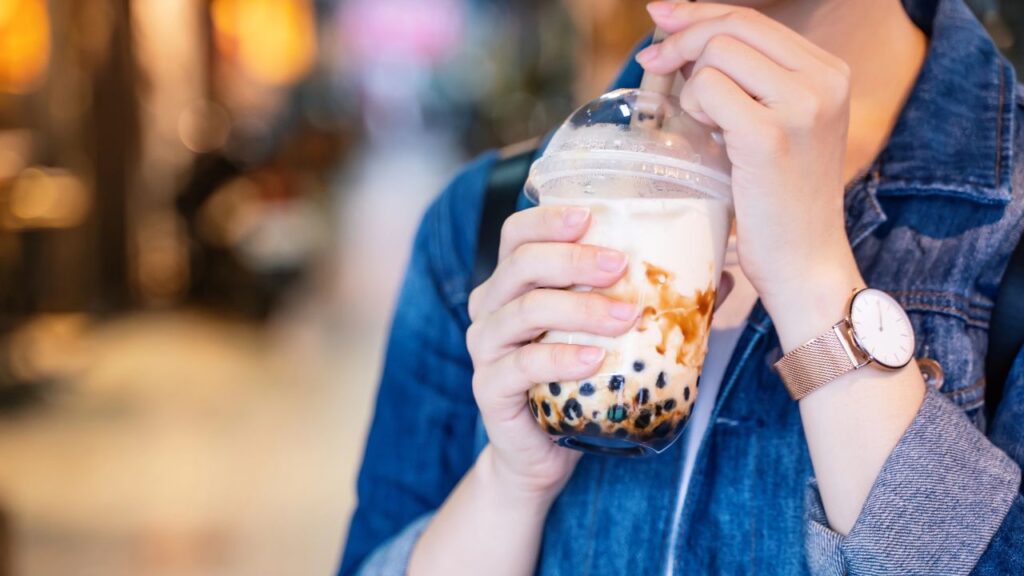
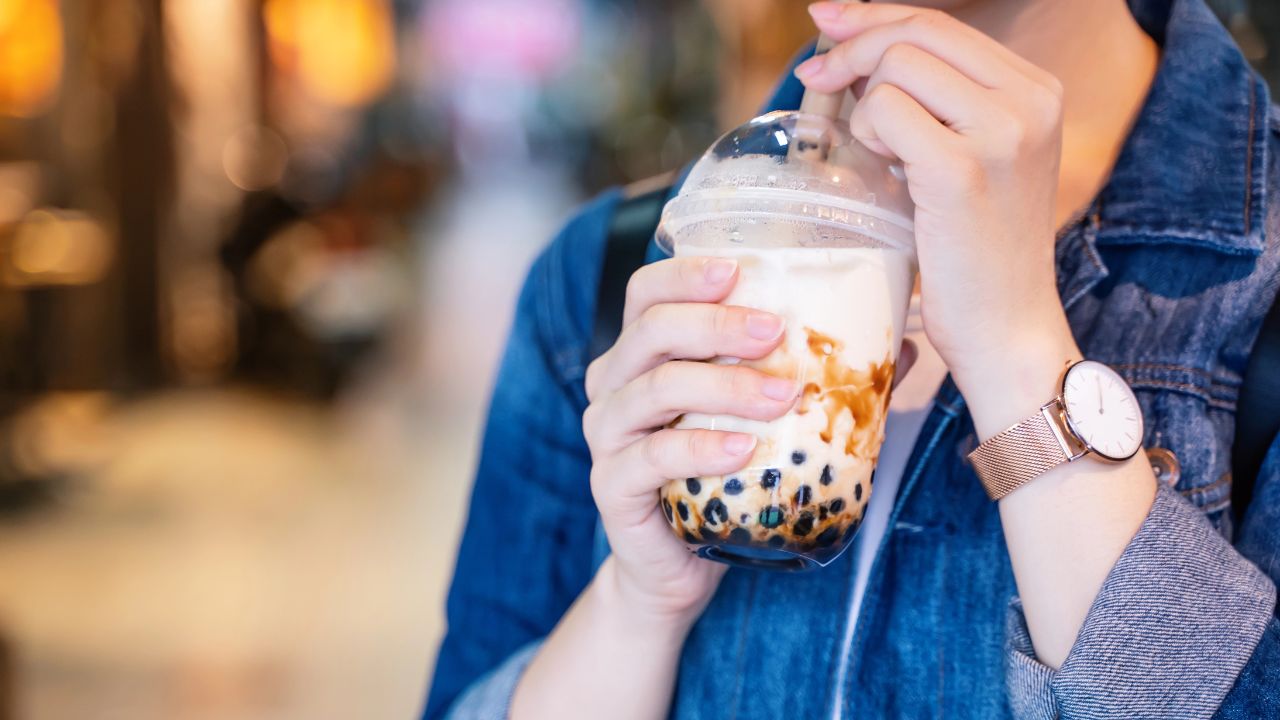
Bubble tea looks simple: just tea, milk, tapioca balls, and some sugar if you want it. But behind that oversized straw is a drink with a surprising history.
From happy accidents to unexpected science experiments, bubble tea (“boba” for short) is full of quirks most Californians have never heard about.
It’s sweet, it’s chewy, and sometimes it’s even controversial, making it way more than just a trendy drink.
Let’s sip through the secrets.
It Was Invented by Accident
Bubble tea wasn’t the result of a corporate brainstorming session. It started in Taiwan in the 1980s when a tea shop owner poured tapioca balls into iced milk tea for fun.
Customers loved it. A snack became a drink trend, and before long, it was everywhere.
Like the chocolate chip cookie and the microwave oven, bubble tea owes its existence to a happy mistake.
Sometimes innovation is just a bored worker and an odd experiment away.
Tapioca Pearls Come From Cassava Root
Those chewy black pearls in your bubble tea start as a starchy powder made from the cassava root, a tropical plant. The root is dried, ground, and then turned into little balls that get boiled into their signature texture.
Here’s the kicker: cassava is also used to make industrial glue. Same plant, totally different outcome.
The next time you’re chewing boba, you’re basically eating the cousin of office supplies.
Of course, once it’s sweetened with brown sugar syrup, it feels less like glue and more like candy.
It Contains Microplastics
Studies have found that plastic cups, straws, and even the sealing films used for bubble tea lids can leach tiny plastic particles into the drink. That means with every sip, you may be swallowing more than just tea and sugar.
Microplastics are fragments less than five millimeters in size, and once they enter your body, scientists aren’t fully sure how harmful they can be.
Some research suggests they may contribute to inflammation, hormone disruption, or other health issues over time.
Since bubble tea is often consumed through large plastic straws, the risk of exposure can be higher compared to other beverages.
For fans of bubble tea, making small swaps like carrying a metal straw or choosing shops with eco-friendly packaging can cut down on microplastic exposure.
There’s No “Tea” in Some Bubble Tea
Americans assume every bubble tea contains actual brewed tea. But many versions are made with milk powder, flavored syrups, and no tea leaves at all.
Order a taro milk bubble tea, and chances are you’re sipping more sugar and cream powder than oolong. Purists will tell you real bubble tea always has tea at the base.
The reality? Half the menus in America don’t follow that rule.
So, technically, sometimes you’re just drinking “bubble milk.” Still delicious, though.
The “Bubble” Isn’t About the Pearls
Most people think “bubble tea” refers to the tapioca balls. Nope. The original name came from the frothy bubbles created when the drink was shaken vigorously before serving.
That foamy top was the star at first. The pearls were an add-on.
Over time, the chewy part stole the spotlight, and now the name feels like it was always about them.
But the next time you shake your cup, you’ll know the truth, it started with froth, not pearls.
The Straws Were Engineered for It
Those giant straws aren’t just oversized for fun. They were designed to be wide enough for bubble tea pearls to fit through without clogging.
One Taiwanese entrepreneur is said to have specifically measured the pearls, then had custom straws made.
Without them, you’d be trying to scoop boba with a spoon.
It’s rare that a straw becomes an essential piece of a food culture. But bubble tea made it happen.
It Sparked a Global Shortage Once
In 2021, a massive tapioca pearl shortage hit the U.S. West Coast.
Shipping delays and surging demand meant bubble tea shops had to ration pearls or shut down temporarily.
Fans panicked. Some stores offered “pearl-less bubble tea,” which basically meant a sweet latte in a plastic cup. Others tried substituting with jelly cubes or pudding.
For a few months, boba felt like the new avocado toast: expensive, scarce, and craved by everyone at once.
It’s a Billion-Dollar Industry in America Alone
Americans often think of bubble tea as a niche drink. But U.S. sales are expected to top billions by the end of the decade.
Shops like Gong Cha, Tiger Sugar, and Sharetea are expanding fast, and even Dunkin’ experimented with popping bubbles.
What started as a quirky import is now on the same path Starbucks took in the ’90s. Except instead of Frappuccinos, we’ve got brown sugar milk with pearls.
Safe to say, it’s mainstream now.
Not All Pearls Are Black
Most Americans picture boba as glossy black spheres. But tapioca pearls can be white, clear, or even rainbow-colored, depending on what’s mixed in.
Brown sugar turns them black, but fruit juice or matcha powder can change their look.
Clear pearls used to be common in Taiwan before black ones took over the market. Ironically, the “classic” look in America is actually the trendier version.
So the next time you see pastel-colored pearls, don’t assume it’s a gimmick. It’s actually a nod to boba’s roots.
Popping Boba Is a Different Science
Those little fruit-filled bubbles that burst in your mouth are a totally different process from regular tapioca pearls.
They’re made with a technique called “spherification,” where liquid is trapped inside a thin membrane of sodium alginate and calcium.
In other words, it’s kitchen chemistry, not tapioca. They don’t need boiling. They don’t need simmering in syrup. They’re more like science experiments you can slurp.
And yet, most Americans lump them in with tapioca pearls. Technically wrong, but fun all the same.
Some Versions Have Cheese Foam
Sounds odd, right? Cheese and tea. But cheese foam, a frothy topping made of cream cheese, milk, and salt, has become a bubble tea favorite in Asia.
It’s like whipped cream with a savory twist.
In America, it’s slowly catching on. Starbucks even flirted with cheese-foam-style drinks in some Asian markets.
Don’t knock it until you try it. The salty-sweet combo is addictively good.
It’s More Calorie-Heavy Than You Think
Bubble tea feels like an innocent drink. But a large brown sugar milk tea with pearls can top 500 calories easily, with sugar content rivaling a can of Coke.
The pearls themselves are almost pure starch.
Add syrup, condensed milk, and cream powder, and you’ve got a dessert in disguise.
No wonder dieticians call it a “treat,” not a beverage. People love it anyway.
It Helped Popularize Taro in America
Most Americans had never heard of taro before bubble tea shops introduced taro milk tea. Suddenly, the purple root was everywhere, from ice cream to lattes.
Taro’s nutty, vanilla-like flavor won over people who’d never touched the Asian root vegetable.
Bubble tea made it Instagrammable before Instagram even existed.
The purple drink craze owes a lot to boba.
People Have Competed in Boba Speed-Drinking Contests
Yes, this is real. In Taiwan, bubble tea speed-drinking competitions have been held.
Contestants race to finish giant cups filled with pearls as fast as possible.
It’s less about hydration and more about jaw strength and swallowing skills. Probably not FDA-approved, but wildly entertaining.
Americans might find this weird. But then again, we host hot dog eating contests every July 4th.
There’s a Right Way to Shake It
Bubble tea isn’t just poured; it’s shaken in a cocktail-style shaker to blend the flavors and create froth.
Some shops still do it by hand, while chains have machines that mimic the motion.
That’s why the drink looks layered at first but turns into a smooth, milky blend after a few shakes. It’s tea bartending, basically.
And yes, some bubble tea baristas even develop their own “shake style.” Flair bartending meets boba.
Straw Bans Forced Bubble Tea Shops to Adapt
Plastic-straw bans in cities like San Francisco and Seattle put pressure on bubble tea vendors since eating boba pearls with a spoon just isn’t the same.
Some shops started offering reusable metal or silicone straws or compostable alternatives.
But many customers complained that paper versions didn’t pierce sealed lids or got soggy too fast.
It wasn’t just a business change; it became a symbol of how even food culture collides with environmental policy.
Demand for DIY Bubble Tea Kits Rose Sharply During COVID
During COVID lockdowns, with shops closed or restricted, some people turned to making bubble tea at home.
Sales of DIY kits surged, with companies reporting huge growth.
One popular kit brand even shipped millions of servings during the pandemic, showing just how much people craved their daily boba fix.
For some, it was less about saving money and more about keeping a small piece of normal life alive.
24 Items That Have Alarmingly High Levels of Microplastics
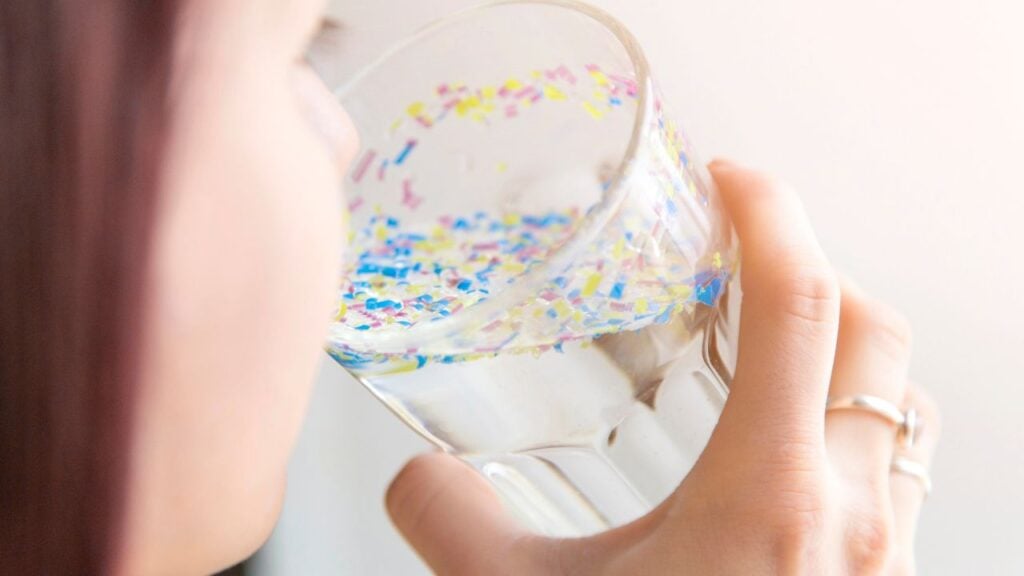
You can’t see, smell, or taste microplastics. But research reveals they’re showing up in our everyday lives.
Here are 24 common items where microplastics hide and why you need to pay attention.
24 Items That Have Alarmingly High Levels of Microplastics
24 Facts About Spam Most Americans Don’t Know

Love it or hate it, Spam is a cultural staple. If you’re still hesitant about the so-called mystery meat, these facts might make you realize it’s not (quite) as bad as you think.
24 Facts About Spam Most Americans Don’t Know
What Decade Were You Really Meant For?
Whether you’re dreaming of bell-bottoms or soda fountains, our Decade DNA Quiz will match you with the decade that fits your personality. No work deadlines here, just a fun escape when you need it most.
Meet Your Match. Discover Your Decade DNA. (Your Vintage Roots Are Showing)