
12 Ways Walmart Has Changed for the Worse That No Floridian Wants to Talk About

Walmart built its reputation on a promise. Everyday low prices, friendly service, and a store where regular Floridians could get what they needed without getting taken advantage of.
Some of that promise has held up. Some of it hasn’t.
Here are twelve ways Walmart has drifted from what it was.
1. The Self-Checkout Takeover
Walmart has been replacing staffed checkout lanes with self-checkout machines at a rate that regular shoppers have noticed and largely haven’t been asked about.
Self-checkout works fine for small purchases.
For a full week of groceries, it produces a scanning experience that’s slower than a cashier, requires more physical effort from the customer, and occasionally triggers the weight sensor dispute that requires a staff member anyway.
Walmart customers are doing checkout labor that cashiers used to do, without a discount for the service, and the reduction in staffed lanes makes avoiding self-checkout increasingly difficult at busy times.
The efficiency gain is Walmart’s.
The experience change is the customer’s.
2. The Understaffed Floor
Finding a Walmart floor associate who can help locate a product used to be a reasonable expectation during normal shopping hours.
Regular shoppers know that staffing levels on the floor have thinned enough that the question of who to ask when you can’t find something has become genuinely complicated in many locations.
The app that shows which aisle a product is in exists partly because the staff who used to answer that question aren’t always there to answer it.
Customers who’ve been shopping at Walmart for twenty years remember when you could find someone to ask.
The difference between then and now is often painfully noticeable.
3. The Product Quality Slide on Store Brands
Great Value, Walmart’s store brand, built a reputation on reasonable quality at genuinely low prices that made it a legitimate choice rather than a last resort.
Many long-time Walmart shoppers who’ve tracked specific Great Value products over the years have noticed quality changes in some categories that suggest cost reduction happening below the label.
This isn’t across the board.
But it’s happened with enough items that shoppers who’ve been buying the same store brand product for a decade notice when the product they get isn’t quite what it used to be.
4. The Layout That Keeps Changing
Walmart stores that reset their layouts, moving departments and product categories to different locations, create a disorientation for regular shoppers who’ve built a mental map of the store over years of weekly visits.
Regular shoppers aren’t finding products as efficiently.
They’re running a route that takes them through the departments they need in the order that makes spatial sense.
When the layout changes, the route breaks, and the shop that used to take forty minutes takes an hour while the regular shopper reorients.
The resets happen for reasons that make sense from a retail strategy perspective.
But they feel, from the customer’s side, like someone rearranged your house.
5. The Pricing That Doesn’t Always Match the Shelf
Walmart’s reputation for price accuracy took a hit as the scale of operations made shelf tag and register price alignment harder to maintain.
Regular shoppers who pay close attention to their receipts occasionally find that the price they paid at the register didn’t match the price shown on the shelf.
When they go through the resolution process, it requires a trip to customer service and a conversation that takes longer than the amount in dispute probably justifies.
This isn’t unique to Walmart, of course. But it’s frustrating all the same.
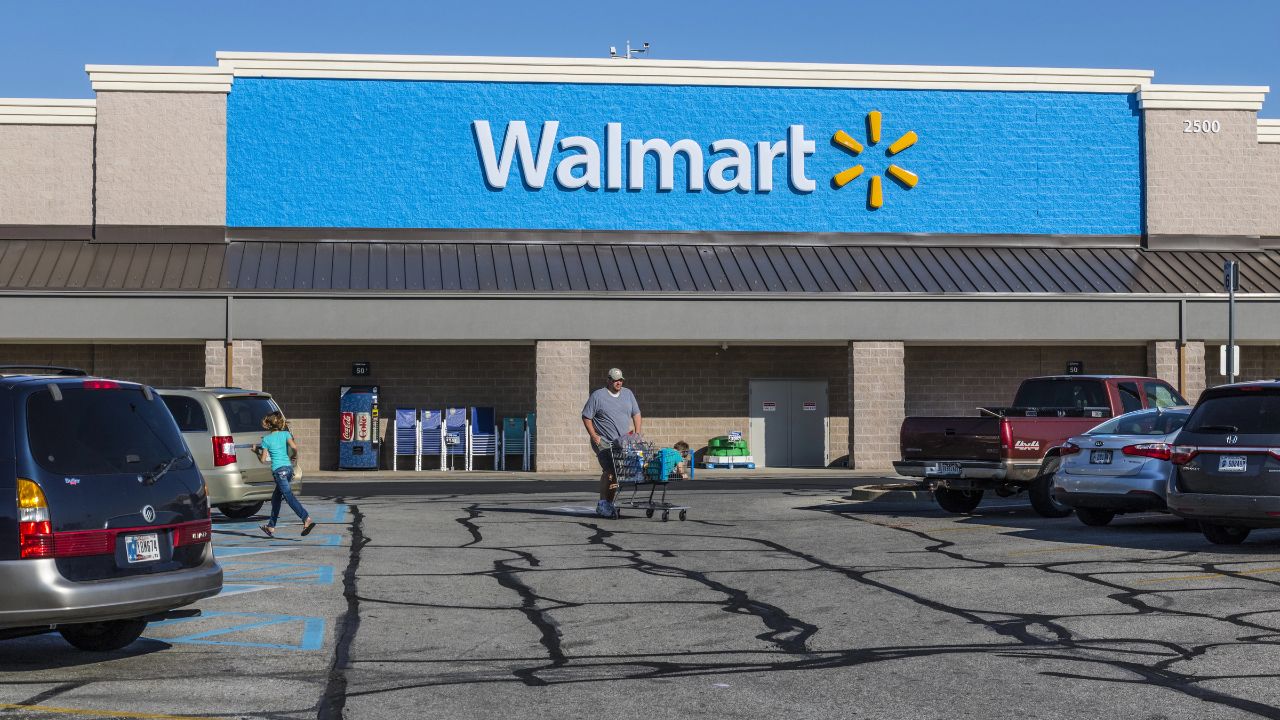
6. The Parking Lot Situation
Walmart parking lots have always been a specific kind of experience.
But long-time shoppers note that the safety and order of those parking lots have varied increasingly by location and time of day in ways that some shoppers find concerning.
Adequate lighting, cart management, and a general sense of order in the parking lot are baseline expectations that Walmart locations in high-traffic areas don’t always maintain consistently.
Shoppers who’ve been going to the same Walmart for fifteen years sometimes talk about the parking lot situation in terms of before and after.
7. The Online Price vs. In-Store Price Confusion
Walmart’s integration of online and in-store pricing has created situations where the price shown on the website doesn’t match the price in the store, and the discrepancy can go in either direction.
Customers who see a price online and go to the store expecting to pay that price sometimes discover the store price is higher.
The process of getting the online price honored in the store involves steps that add friction to what should be a simple transaction.
The Walmart app is supposed to make this easier.
But it adds a layer of technology to a problem that shouldn’t require technology to solve.
8. The Customer Service Counter Wait
The customer service counter at Walmart handles returns, exchanges, and issues with purchases.
The wait times at that counter have sometimes become long enough at many locations that shoppers factor them into their time budget before starting a return process.
A return that takes three minutes once you reach the counter can require a fifteen to twenty-minute wait beforehand during busy periods.
Walmart’s generous return policy is a positive that long-time shoppers appreciate.
The staffing at the counter that processes those returns is where the policy and the reality don’t always match.
9. Produce Section Consistency
Walmart’s produce section has always been variable in quality compared to dedicated grocery stores.
But long-time shoppers note that the consistency within individual store visits has gotten harder to predict.
Fresh produce that looks good on Monday and needs to be sold by Tuesday requires consistent stock rotation that busy Walmart produce departments don’t always execute at the same standard across all locations.
Shoppers who’ve learned to buy Walmart produce with lower expectations than they’d bring to a dedicated grocery store are managing a reality that wasn’t always quite as necessary.
10. The Checkout Lane Math
The number of open checkout lanes at Walmart relative to the number of customers waiting to check out is a calculation that regular shoppers have been running for years, and that doesn’t always produce a satisfying result.
A store that has thirty checkout lanes and regularly opens six of them during peak hours creates a queuing situation that the self-checkout expansion has addressed in volume but not in experience.
Shoppers with full carts who want a staffed lane can’t find one.
And they don’t always want to process thirty-five items through self-checkout in a situation that Walmart’s operational decisions created.
11. The Product Selection Narrowing
Walmart’s push toward private label and national brand concentration has narrowed the product selection in certain categories in ways that regular shoppers who favored specific regional or smaller brands have noticed.
The store that used to carry twelve varieties of a product category now carries eight, and the eight that remain are the highest-velocity sellers rather than the full range that used to be available.
Scale creates this pressure in every large retailer.
Walmart is where it’s among the most visible because it’s where a lot of Americans do their primary shopping.
12. The Loss of the Greeter
The Walmart greeter at the entrance was a specific institution that combined a security function with a genuine human welcome that regular shoppers in communities where Walmart was a regular part of life came to count on.
The greeter often knew the regular shoppers. They’d been there for years. They remembered faces and asked about families.
Walmart phased out the traditional greeter role in 2018 in favor of customer hosts with a broader set of responsibilities.
And while the function technically continues, the specific warmth of the longtime Walmart greeter who knew the community they were welcoming is harder to find.
12 Items You’re Better Off Buying at Dollar Tree Than Walmart

Everyone loves a good deal, right? But sometimes, people think the cheapest option is always at Walmart—until they step into a Dollar Tree.
Sure, you won’t find fancy brands or the latest electronics. But for everyday stuff, these items from Dollar Tree can save you a ton of money.
12 Items You’re Better Off Buying at Dollar Tree Than Walmart
12 Precautions to Take When Shopping at Dollar Tree
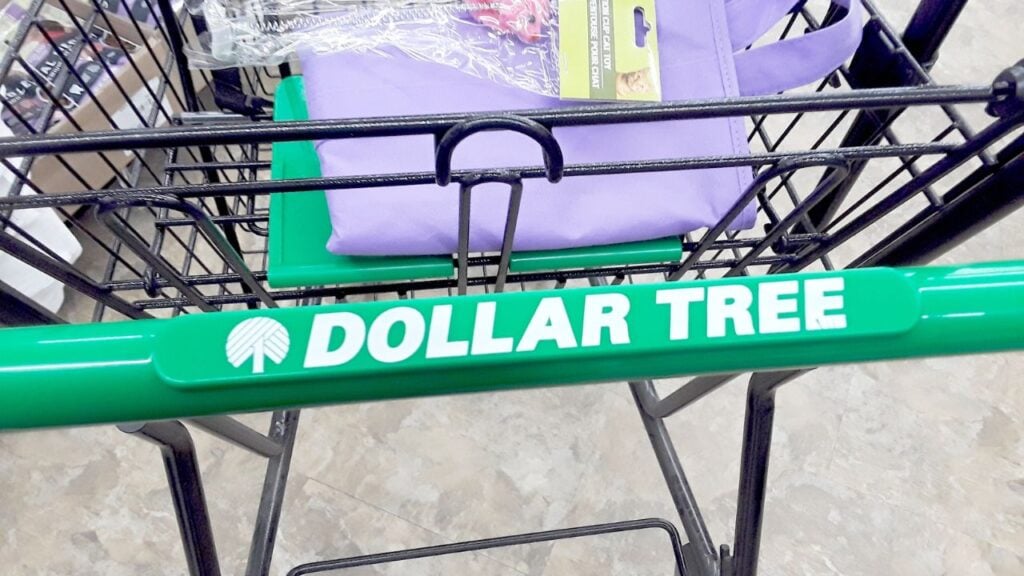
It’s hard not to get a little giddy at Dollar Tree stores. Everything looks like a deal, and it’s so easy to think, “Oh, it’s only a dollar!” (Well, $1.25 now, but who’s counting?)
But from sneaky expiration dates to breakable gadgets, here’s how to shop smarter at Dollar Tree.
