
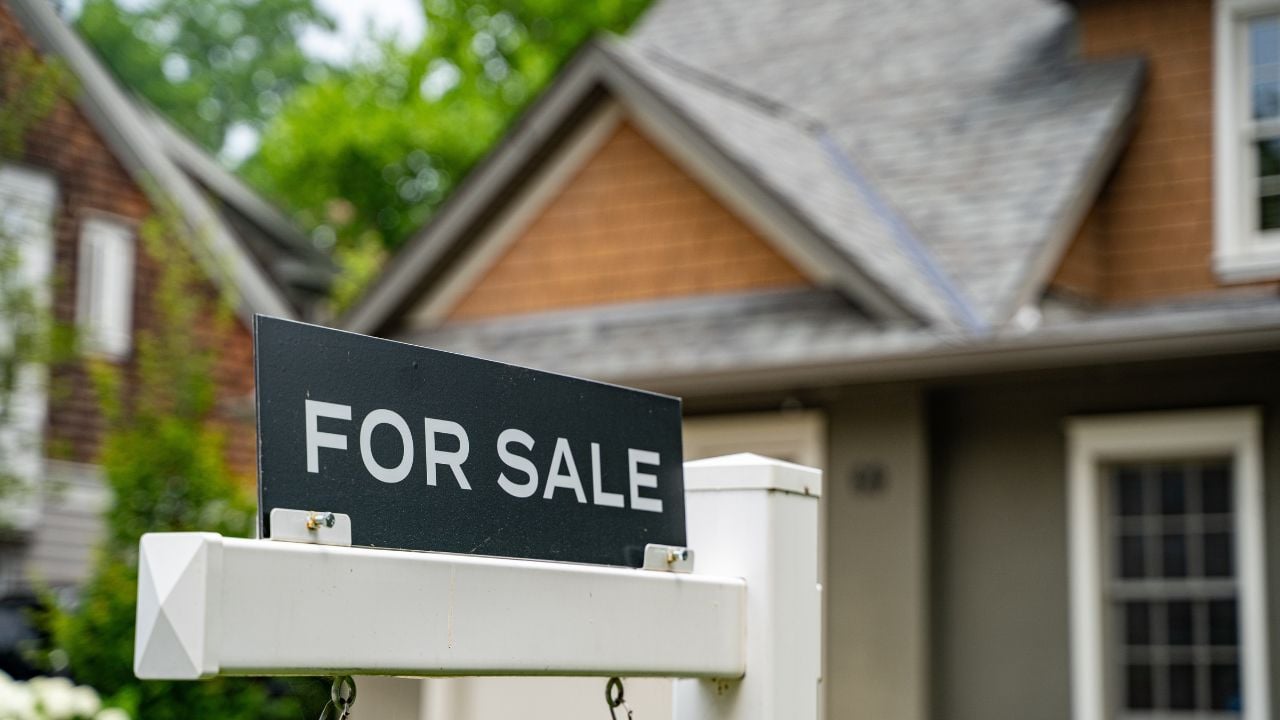
7 Warning Signs Florida Homeowners Are Being Targeted by Deed Fraud

A homeowner in Cape Coral opens a foreclosure notice for a loan she never took out.
The lender’s name means nothing to her.
Her deed, it turns out, was sold out from under her a year ago.
These are the warning signs that Florida homeowners are being targeted by deed fraud.
Note: This is general information, not legal advice. Laws and county programs are subject to change, so confirm the current details with your county recorder or an attorney.
How Deed Fraud Works
Deed fraud, also called home title theft, doesn’t need a break-in anywhere in Florida.
A scammer forges your signature on a deed, records the paperwork at the county clerk’s office, and makes the public record show the property belongs to someone else.
From there, the thief can sell your home, borrow against it, or rent it out to a family that thinks they signed a valid lease.
You keep the keys.
But the record and the debt now sit in a stranger’s name.
Picture a paid-off $350,000 house in Ocala, forged onto a quitclaim deed into some shell company, then used to pull a $200,000 home equity loan before anyone notices.
The FBI’s Internet Crime Complaint Center (IC3) tracked more than $275 million in real estate fraud losses in 2025, up from $173 million the year before.
It adds up.
1. Your Tax Bill Stops Coming
Florida tax collectors mail property tax bills every fall, so a mailbox with no bill by November is worth a second look.
When a scammer records a forged deed, they often switch the mailing address on file at the same time.
Your tax bill then goes to them instead, along with the truth in millage notice your county property appraiser mails in late summer.
AARP calls a missing tax bill the first alarm bell of a stolen title.
Chase it down.
Don’t assume the county forgot you.
2. A Deed You Didn’t Sign
Sometimes the first clue that deed fraud found your Florida home is a confirmation you never asked for.
A title company, an escrow officer, or your county clerk sends notice that a deed on your property changed hands.
You didn’t sign anything.
Open it, read every name, and check the date against your own records.
Names matter.
A forged transfer usually lists a buyer or seller you’ve never met.
3. Your Vacant Lot Gets Listed
Florida’s vacant lots draw deed thieves like nothing else, from the platted grids of Lehigh Acres and Cape Coral to the scrubby parcels off the Panhandle back roads.
Nobody lives there to notice a forged sale.
Roughly 62% of title fraud cases involve vacant land, against about 12% for owner-occupied homes.
Snowbird second homes rank high too, empty half the year while the owners are up north.
The FBI warns that scammers impersonate absent owners, then push a fast, below-market sale through a remote closing.
A neighbor who spots a For Sale sign or a Zillow listing on your empty parcel is doing you a favor.
Not yours.
4. A Foreclosure Notice Appears
A foreclosure notice for a loan you never took out is one of the loudest deed fraud signals in Florida.
Once a thief owns your deed on paper, they can borrow against the equity and disappear.
The lender then chases the address, not the crook.
So the default notice lands in your mailbox.
Never signed it.
Read the loan number and the lender, then call the servicer to say the mortgage isn’t yours.
5. A Stranger Claims Your House
Someone knocking on your Florida door with paperwork claiming to own the place sounds far-fetched, until it happens.
Sometimes it’s a buyer who wired money for a house that was never for sale.
Other times it’s a tenant holding a lease a scammer signed.
Either way, someone thinks your home is theirs.
Call the clerk.
Ask your county clerk to pull the current deed of record before anyone tries to change the locks.
6. Mail From an Unknown Lender
Junk-looking mail from a lender you’ve never used can be the first paper trail of a deed scam on your Florida home.
Welcome letters, escrow statements, and insurance notices all follow a new loan.
If the loan isn’t yours, neither is the lender.
Toss nothing.
Open the envelope because a mortgage servicer you don’t recognize has no reason to write you.
7. Records Show a Transfer
You don’t have to wait for the mail to catch deed fraud on your Florida property.
Every county clerk posts official records online, searchable by your name and address for free.
Pull your property once or twice a year and read what’s recorded against it.
A deed, a lien, or a mortgage you never authorized is the clearest red flag of all.
Look yourself.
Finding it early gives you room to fight before a buyer or a bank enters the picture.
How Florida Homeowners Can Protect Themselves
Florida makes the strongest defense free, and few homeowners use it.
All 67 counties now offer a property alert that emails or texts you whenever a deed, mortgage, or other document is recorded in your name.
Sign up through your county clerk’s website in about a minute.
Florida passed a law requiring every clerk to run one, so no county leaves you out.
Skip the paid title lock services advertised on late-night TV, which the Federal Trade Commission (FTC) calls a scare tactic because they only warn you after a transfer clears.
Lee County went further and now requires a photo ID to record a deed, a check that rejected about 15% of deeds in its first month.
It works.
What to Do If It Happens
Speed decides how bad a Florida deed fraud gets.
Move fast.
Contact your county clerk the moment you spot a forged deed, and file a police report the same day.
Report the theft to the FBI’s Internet Crime Complaint Center and the Federal Trade Commission, both of which track these cases.
A real estate attorney can file a quiet title action, the lawsuit that clears a forged deed off your record and puts your name back where it belongs.
Florida’s homestead protection shields your home from many creditors, but it won’t undo a forged signature, so the sooner you act, the more of your equity you hold onto.
9 Florida Homeowner Insurance Discounts You’re Probably Not Getting
When did you last ask your agent what a wind mitigation inspection could knock off your Florida premium?
If the answer is never, your bill probably shows it.
9 Florida Homeowner Insurance Discounts You’re Probably Not Getting
Why Is Florida Homeowners Insurance So High? What’s Driving 2026 Rates
Florida homeowners insurance stays high because the state stacks four costly problems on one roof: Hurricane exposure, pricey reinsurance, a lawsuit hangover, and rebuilding costs that keep rising.
That mix pushed the average policy to the highest bill in the country.
Why Is Florida Homeowners Insurance So High? What’s Driving 2026 Rates
