
19 Common Myths About Caffeine New Jerseyans Believe That Science Has Debunked

New Jerseyans love their caffeine. But we’ve built a whole culture on half-truths about it.
From “it dehydrates you” to “dark roast hits harder,” these myths have been brewed into everyday conversation.
The truth? Science says most of what we think about caffeine is wrong… or at least wildly exaggerated.
Here are the most common caffeine myths Americans across the country still believe and what research actually reveals about your daily cup of joe.
Caffeine Dehydrates You
It’s one of those “facts” people love to repeat while clutching a Hydro Flask: caffeine makes you lose water.
But research shows otherwise. Studies reveal that moderate coffee consumption has a hydration effect nearly identical to water.
Yes, caffeine is mildly diuretic, meaning it might make you pee slightly more. But that effect fades as your body adjusts.
Regular coffee drinkers are practically immune to it.
So, unless you’re downing espressos like a TikTok productivity coach at midnight, your morning latte probably isn’t making you go to the bathroom that much more than the same quantity of water would.
Caffeine Stunts Growth
If this were true, every barista would be four feet tall.
There’s zero scientific evidence that caffeine affects height or bone development.
The myth likely started decades ago when people thought coffee caused calcium loss. But follow-up studies found no link between caffeine intake and bone health in healthy adults.
In fact, milk-based drinks like cappuccinos or lattes may actually help your calcium intake, assuming you’re not swapping them for, say, energy drinks the size of a gas can.
Dark Roast Coffee Has More Caffeine
Every office has that one self-proclaimed “coffee snob” who swears dark roast gives them an extra kick.
In reality, lighter roasts often contain slightly more caffeine per scoop.
That’s because roasting beans longer burns off some caffeine along with flavor compounds. The difference is small, maybe a few milligrams, but the myth persists because dark roast tastes stronger.
In other words, your tongue’s fooled by flavor intensity, not actual caffeine. It’s coffee’s version of fake news.
Caffeine Gives You Energy
Technically, caffeine doesn’t give you energy. It just blocks adenosine, the brain chemical that makes you feel tired.
What follows is a temporary alertness boost that can feel like new energy, but it’s really borrowed time.
Once caffeine wears off, your brain catches up. Hello, afternoon crash.
That’s why experts suggest spacing your coffee strategically instead of chain-drinking it like it’s liquid ambition.
Tea Always Has Less Caffeine Than Coffee
Not always. A strong cup of black tea can rival or exceed the caffeine in drip coffee, depending on brew time and leaf type.
Green teas are typically milder, but matcha, made from powdered leaves, packs more caffeine than people realize.
So yes, your “gentle” matcha latte might quietly be keeping you as wired as a triple espresso.
Don’t be fooled by the pastel foam.
Espresso Has the Most Caffeine
It feels that way.
But ounce for ounce, drip coffee actually delivers more total caffeine.
Espresso’s concentration is high, but the serving size is tiny. A standard shot has around 63 milligrams, while an eight-ounce cup of brewed coffee can have double that or more.
So unless you’re knocking back four shots in a row (which, we’re not judging), espresso isn’t the caffeine bomb people think it is.
Caffeine Helps You Sober Up
Ah yes, the college myth that refuses to die.
You can’t outsmart alcohol with a cup of diner coffee. Caffeine only makes you feel more awake, not less drunk.
Your reflexes, coordination, and judgment stay impaired even if your eyelids stop drooping. In fact, combining caffeine with alcohol is riskier, since it can mask how intoxicated you are.
So if your plan involves espresso shots at the end of the night, skip it. Uber exists for a reason.
Afternoon Coffee Ruins Sleep for Everyone
It depends. While caffeine can disrupt sleep if consumed late, genetics play a huge role in how fast your body metabolizes it.
Some people can drink a cappuccino after dinner and sleep like a rock; others stay awake from a lunchtime latte.
It’s all in your enzymes.
If you’re sensitive, cut it off by 2 p.m. But if your DNA says “bring it on,” enjoy that 5 p.m. cold brew in peace.
Decaf Coffee Has No Caffeine
“Decaf” doesn’t mean “no caf.” It means less caffeine, usually around 2 to 5 milligrams per cup.
The decaffeination process removes about 97% of caffeine, but not all of it.
So, if you’re super sensitive or drinking ten cups of “decaf,” you might still feel a buzz.
It’s like a diet soda situation: reduced, not erased.
Caffeine Is Addictive Like Drugs
Caffeine dependence exists. But calling it an “addiction” oversells it.
Scientists classify caffeine as a mild physical dependence, not a true addiction.
You might get a headache or irritability after quitting suddenly, but there’s no compulsive behavior like with nicotine or alcohol.
Basically, if your “problem” is needing coffee to function at 8 a.m., you’re not an addict, you’re just human.
Pregnant Women Should Avoid Caffeine Entirely
Not true. The American College of Obstetricians and Gynecologists says up to 200 milligrams of caffeine per day is safe for most pregnant women.
That’s about one 12-ounce cup of coffee.
Exceeding that regularly might increase risk factors, but moderate intake is typically considered fine.
So expecting moms usually don’t need to totally give up their morning ritual, just keep it sensible.
Caffeine Causes Heart Disease
Decades ago, researchers linked coffee with heart problems. But modern studies corrected that misunderstanding.
As it turns out, it wasn’t caffeine causing heart disease. It was unfiltered coffee oils raising cholesterol.
Today, filtered or paper-brewed coffee poses no known heart risk for healthy adults. In fact, moderate caffeine consumption is linked to lower risk of heart failure.
So you can love your morning brew and your arteries.
Caffeine Helps You Focus Forever
It helps, for a while. Caffeine boosts alertness by stimulating your central nervous system, but its effects fade with tolerance.
That’s why your first coffee feels magical, but your tenth feels like habit.
Your brain adapts. And eventually, caffeine brings you to “normal,” not “superhuman.”
Rotating caffeine breaks every few weeks can reset your sensitivity, though few people dare risk the withdrawal headache.
Energy Drinks Are Stronger Than Coffee
They look wild, but the average energy drink has about the same caffeine as one cup of coffee.
The real difference is in how fast you drink them.
Slam a can of Monster in 3 minutes and yes, you’ll feel it. Sip a latte slowly and it’s gentler.
Plus, energy drinks often pack extra sugar and additives that make the “rush” feel more dramatic.
You Need to Quit Coffee to Be Healthy
Moderation, not elimination, is the key.
Numerous studies link moderate coffee intake to lower risks of diabetes, Parkinson’s, and even some cancers.
Too much coffee can cause anxiety or insomnia. But for most people, caffeine in balance is perfectly healthy, even beneficial.
So no, your wellness journey doesn’t require giving up your morning joy. Just maybe skip the 9 p.m. double-shot frappuccino.
Caffeine Only Comes from Coffee
Many people instantly think of coffee when they hear “caffeine,” but it’s far from the only source.
Tea, chocolate, soda, and even some medications contain caffeine naturally or as an additive.
Green tea and matcha are big ones. They deliver caffeine alongside the amino acid L-theanine, which helps smooth out the buzz.
That’s why tea feels calmer even when the caffeine count is decent.
And if you’ve ever felt oddly alert after eating dark chocolate, that’s not in your head. Cocoa beans naturally contain caffeine, too, just less than coffee beans per gram.
Caffeine Causes Anxiety for Everyone
Caffeine can trigger jitters, but not for everyone. How you react depends on your genetics and tolerance.
Some people metabolize caffeine quickly, while others experience heart palpitations from a single cup.
Research shows that moderate caffeine intake is generally safe, even for people with mild anxiety disorders, though overdoing it can increase stress hormones temporarily.
If your morning latte makes you anxious, cutting back helps. But if you can sip a double espresso and feel fine?
You’re not defying biology. Your enzymes are just fast workers.
Caffeine Builds Up in Your Body
Many people assume caffeine accumulates like sugar or sodium, but it doesn’t.
The body metabolizes caffeine within hours, breaking it down in the liver before excreting it.
Its half-life, the time it takes to eliminate half the caffeine you’ve consumed, is around five hours for most people. That’s why late-day coffee can linger into bedtime, but it doesn’t “build up” day after day.
In short, caffeine isn’t stockpiling inside you.
It just overstays its welcome if you invite it too close to bedtime.
Caffeine Boosts Metabolism Enough to Burn Fat
Caffeine does slightly increase metabolism, but not enough to melt away fat by itself.
Studies show it can raise calorie burn by about 3–11% for a few hours, but that bump fades as your body adapts.
That’s why pre-workout drinks feel powerful at first, then eventually just feel like… coffee.
The real takeaway?
Caffeine can enhance exercise performance and make workouts feel easier, but it won’t undo a sedentary lifestyle or a daily Frappuccino habit.
24 Items That Have Alarmingly High Levels of Microplastics
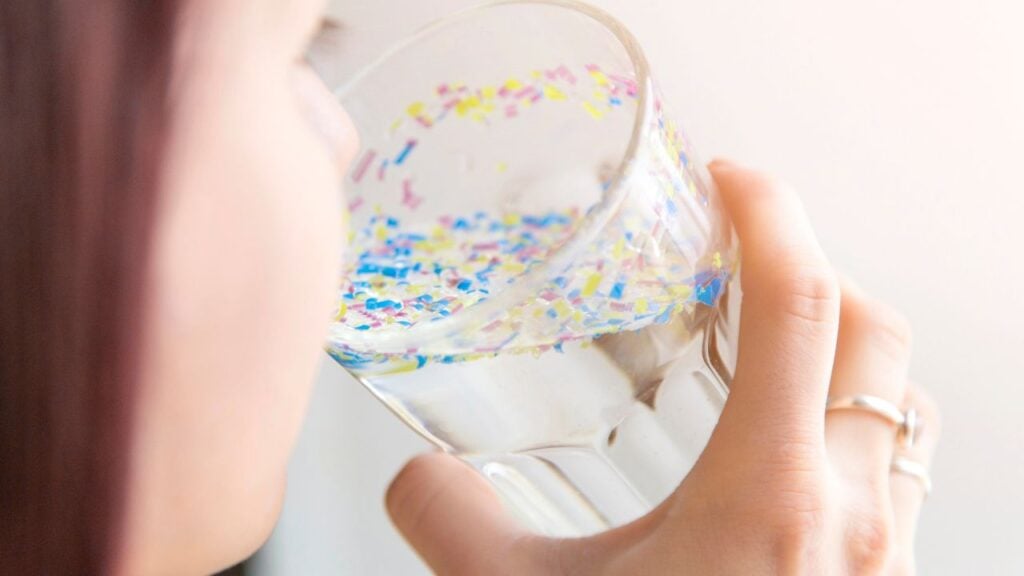
You can’t see, smell, or taste microplastics. But research reveals they’re showing up in our everyday lives.
Here are 24 common items where microplastics hide and why you need to pay attention.
24 Items That Have Alarmingly High Levels of Microplastics
17 Life Hacks That Are Harder Than the Non-Hack

Life hacks are supposed to make your life easier, and sometimes they really do. However, the internet is rife with hacks that aren’t actually effective.
