
21 Health Myths Doctors Wish Louisianians Would Stop Believing

Louisianians and Americans across the country love a catchy health tip. From detox juices to “don’t eat after 8,” health advice spreads like wildfire through families, gyms, and group chats.
Doctors, meanwhile, keep hearing the same misconceptions year after year.
It’s time to clear the air. Here are the health myths doctors wish their patients would finally drop.
Cracking Knuckles Causes Arthritis
It’s one of the most common playground warnings. “Stop cracking your knuckles or you’ll get arthritis!”
Generations of parents have repeated it, but joint cracking sounds have nothing to do with arthritis.
What you’re hearing is gas bubbles collapsing in the joint fluid. It’s not dangerous, though frequent cracking can irritate people around you more than your hands.
If you’re not feeling pain, cracking your knuckles isn’t damaging your joints.
Annoying your coworkers, maybe. But not your cartilage.
You Need to “Detox” Regularly
The idea of “detoxing” with juices or expensive kits sounds appealing. Who wouldn’t want a quick reset after a weekend of pizza and late-night snacks?
But your liver and kidneys already do that job 24/7, no special drinks required.
Many trendy cleanses actually do more harm than good. They can leave you feeling weak, bloated, and hungrier than ever. Some even strip your body of essential nutrients for days.
Doctors agree: the best “detox” is a balanced diet, hydration, and enough sleep.
No green juice subscription necessary.
You Lose Most Heat Through Your Head
Many Americans grew up being told to wear a hat or “you’ll lose all your heat through your head.”
This myth comes from a misread military study decades ago, but your body loses heat evenly through any exposed skin.
Yes, a hat helps keep you warm, but so does covering your hands, feet, and torso. You won’t freeze faster just because your head is uncovered.
Bundle up overall, not just up top.
You Should Poop Every Day
There’s this weird obsession with daily bowel movements as the gold standard of health. In reality, normal bathroom habits vary wildly from person to person.
Some people feel great going twice a day.
Others are perfectly healthy going every two days. What usually matters is consistency and comfort, not an arbitrary schedule.
If you’re not straining, bloated, or uncomfortable, your routine is likely just fine.
You Can “Catch” a Cold from Cold Weather
Cold weather doesn’t actually cause colds. Viruses do.
What happens in winter is that people spend more time indoors, in close contact, where germs spread faster.
Dry winter air can make your nasal passages less effective at filtering viruses, which doesn’t help. But simply stepping outside without a coat won’t give you the sniffles.
Blame viruses, not the temperature.
Sweating Means You’re Detoxing
“Work up a good sweat and flush out those toxins!” sounds like a fitness ad, but it’s not how the body works.
Sweat is mostly water and salt, not stored toxins.
Your sweat glands regulate temperature, not remove chemicals. You can’t out-sweat last night’s margarita, no matter how intense your hot yoga session gets.
Sweating is healthy, but it’s not a cleanse. Your liver is still the star of that show.
Muscle Turns Into Fat If You Stop Working Out
This one refuses to die. Muscle and fat are totally different tissues, and one doesn’t magically transform into the other.
When you stop exercising, muscle mass decreases and fat may increase because of lower activity, but they don’t morph.
Think of it like replacing a bookshelf with a beanbag chair. One doesn’t become the other; you just swapped them out over time.
The good news: you can rebuild muscle once you get moving again. It’s not a one-way street.
You Need 8 Glasses of Water a Day Exactly
That “8×8” rule is catchy, but it’s not rooted in strong evidence. Hydration needs depend on climate, diet, and activity.
Some people need more, some less.
Your body’s thirst signals are actually a reliable guide. If your urine is pale yellow and you’re not feeling thirsty, you’re probably fine.
And remember, soups, fruits, and other drinks all count toward hydration, not just water glasses lined up on your desk.
Natural Sugar Is Always Better
Many people assume that “natural” sugar from honey or maple syrup is somehow healthier than white sugar. While they may contain trace minerals, your body processes all sugar similarly.
Eating tons of “natural” sweeteners can still spike blood sugar and lead to the same issues as refined sugar.
A drizzle of honey on toast?
Fine.
Half a jar every morning?
Not so much.
The word “natural” doesn’t automatically make something a health food.
Carbs Are the Enemy
Low-carb diets have had their moment, but the idea that all carbs are bad oversimplifies things.
Whole grains, fruits, and beans are key energy sources, full of fiber and nutrients.
The real problem is overly processed carbs like white bread, pastries, and soda, not the sweet potato on your plate.
Cutting all carbs can leave you tired, cranky, and missing out on important vitamins. It’s about quality, not a blanket ban.
You Shouldn’t Eat After 8 p.m.
This myth likely started with weight-loss tips that confused timing with total intake.
Your body doesn’t suddenly stop digesting when the clock strikes eight. What matters more is overall calories and food quality.
For many people, late-night eating means chips on the couch, not a balanced meal.
So, the advice can indirectly help. But eating a wholesome dinner at 9 p.m. typically isn’t a problem.
Timing alone won’t make or break the average person’s health goals.
You Need Supplements to Be Healthy
The supplement industry thrives on convincing people they’re lacking something.
But for most healthy adults with a balanced diet, extra vitamins and minerals don’t provide major benefits.
Some supplements can be helpful in specific cases, like vitamin D for people who don’t get much sun.
But taking handfuls of pills “just in case” isn’t usually necessary, and can even be risky in high doses.
Whole foods should be your first line of defense, not your medicine cabinet.
Brown Eggs Are Healthier Than White
At some point, brown eggs got branded as the “healthier” option. But egg color comes from the breed of the chicken, not the nutrient content.
A brown shell doesn’t mean it’s packed with extra vitamins.
The nutritional value is nearly identical. The difference is usually price; brown eggs can cost more simply because the hens are larger and need more feed.
Pick whichever eggs fit your budget and taste. The shell color doesn’t matter.
If It Hurts, It Must Be Working
This myth is everywhere in fitness culture. People think that pain equals progress, but pain is your body’s warning system, not a badge of honor.
Soreness after a workout is normal. Sharp pain during or lingering pain after?
That’s a red flag.
Pushing through it can lead to injury and setbacks. Listening to your body isn’t weakness. It’s smart training.
You Should Avoid All Fats
For years, people were told to steer clear of fats entirely.
But we now know that healthy fats support brain function, hormone balance, and nutrient absorption.
It’s the type of fat that matters. Unsaturated fats from olive oil, nuts, and avocados are beneficial. Trans fats and excessive saturated fats?
Not so much.
Cutting out all fat can actually hurt your health, not help it.
If It’s Gluten-Free, It’s Healthier
The gluten-free craze led many people to assume that removing gluten automatically makes food better. For those with celiac disease or true sensitivities, it’s essential.
For everyone else, it’s not inherently healthier.
Many gluten-free products are more processed and lower in fiber than their regular counterparts. Plus, they often come with a higher price tag.
Unless you have a medical reason, you don’t need to ditch gluten to eat well.
Sitting Too Close to the TV Ruins Your Eyes
Parents everywhere used this line to get kids to back away from the screen.
However, sitting near a TV doesn’t damage vision. It may cause temporary eyestrain, but it won’t make you need glasses.
Kids often sit closer simply because their eyes can focus at shorter distances more comfortably.
Adults might feel more strain, but that’s about fatigue, not permanent damage.
The real eye strain culprit today?
Endless phone scrolling.
Shaving Makes Hair Grow Back Thicker
One of the most stubborn myths in personal grooming is that shaving leads to thicker hair regrowth.
In reality, shaving cuts the hair at the surface, creating a blunt tip that can feel stubbly, but the thickness and growth rate remain unchanged.
The illusion of thickness comes from that blunt edge, not some magical hair transformation.
Your razor isn’t changing your follicles, no matter how many times you use it.
You Can “Target” Fat Loss
Countless Americans still believe doing endless crunches will melt belly fat. Unfortunately, spot reduction doesn’t work.
Fat loss happens systemically, not just in the area you’re working.
Ab exercises can strengthen muscles underneath, but they won’t magically burn fat in that one spot. That’s why people can have strong cores and still carry extra weight around their midsection.
A mix of cardio, strength training, and smart nutrition is what really makes a difference.
Eating Celery Burns More Calories Than It Gives
The idea of negative-calorie foods is catchy, and celery is usually the poster child.
While celery is low in calories, the energy used to chew and digest it doesn’t exceed what it contains.
It’s a healthy snack, sure. But it won’t put your body in some magical calorie deficit just by crunching away.
If only it were that easy.
You Have to “Feel Sick” to Be Contagious
Plenty of people think they’re safe to go out if they don’t have symptoms yet.
But many viruses are contagious before symptoms appear, which is why illnesses can spread so quickly in households and workplaces.
By the time you feel that first sore throat, you may have already passed the virus to others. That’s why handwashing, masking when appropriate, and staying home when exposed are so important.
Feeling fine doesn’t guarantee you’re not infectious.
24 Items That Have Alarmingly High Levels of Microplastics
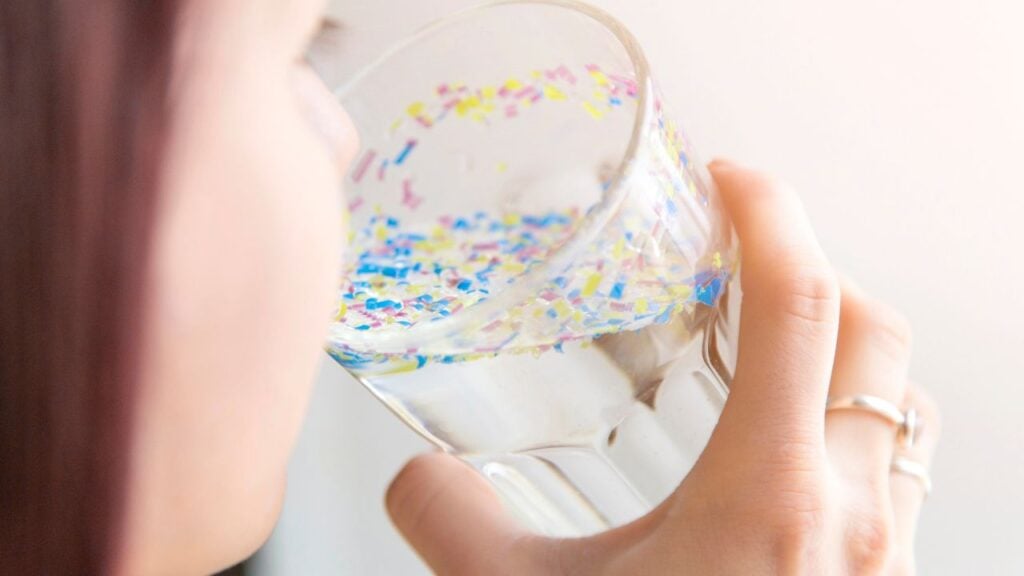
You can’t see, smell, or taste microplastics. But research reveals they’re showing up in our everyday lives.
Here are 24 common items where microplastics hide and why you need to pay attention.
24 Items That Have Alarmingly High Levels of Microplastics
Weirdest Laws in Each State

Most Americans are clear on treating thy neighbor as they’d want to be treated to reduce the chance of fines and jail time. But did you know you could be breaking the law by carrying an ice cream cone in your pocket? These are the weirdest laws in each state, most of which courts (thankfully!) no longer enforce.
