
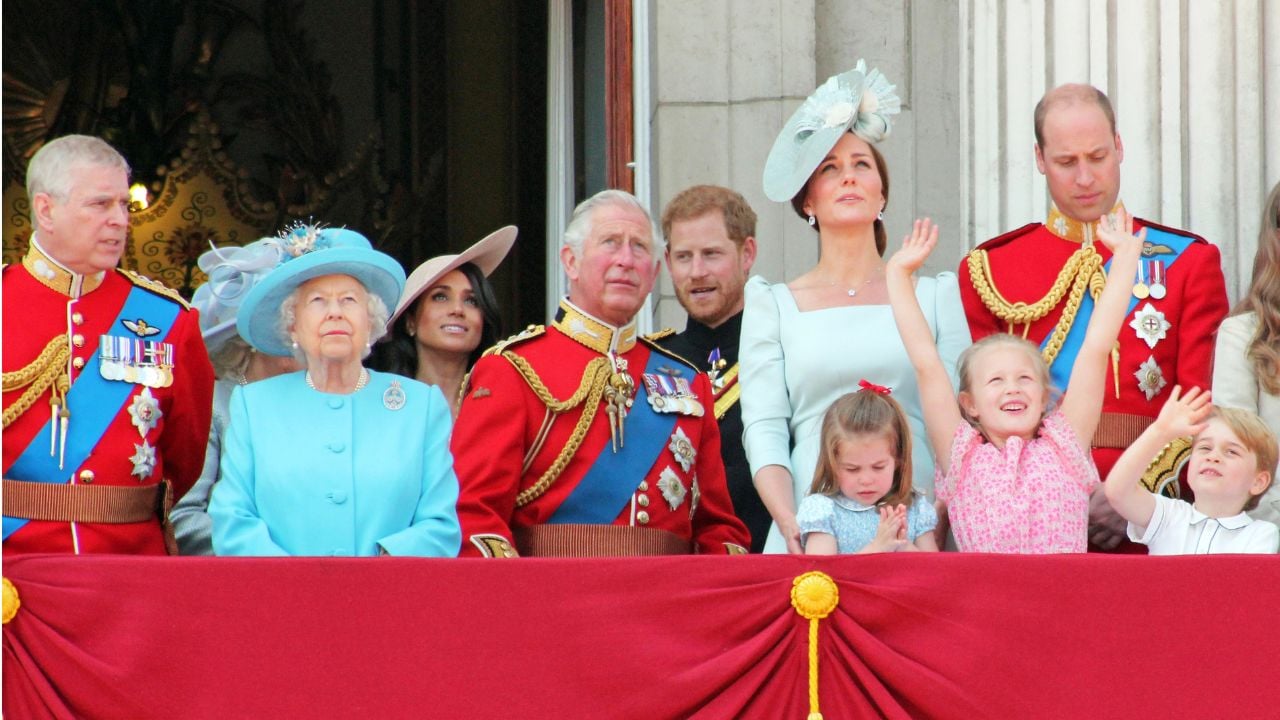
10 Things Members of the Royal Family Have to Pay for With Their Own Money. Can You Name Them, Californians?

The United Kingdom taxpayer funds the British monarchy to the tune of £132.1 million in the 2025-26 Sovereign Grant.
What that money covers includes palace upkeep, official duties, and staff for the King’s role as Head of State.
What it doesn’t cover is a long list of expenses that the royals pay out of pocket.
Here are 10 things members of the Royal Family pay for with their own money that few Californians know about.
Their Private Clothing and Wardrobe
The Royal Family pays for their own clothes.
This is one of the most consistent misconceptions about the monarchy. Stylists don’t show up with racks of free dresses.
Kate Middleton, Camilla, and the rest of the family buy their wardrobes the same way anyone else does.
Some working wardrobe costs for senior royals on official duty can be written off against tax.
But personal clothing for private events, holidays, and family time comes out of pocket.
Princess Diana’s bridal gown cost a reported £9,000 in 1981. Kate Middleton’s Alexander McQueen wedding gown reportedly cost £250,000 in 2011.
Both were paid for privately by the family, not the British taxpayer.
Their Private Holidays and Family Vacations
Official Royal travel is covered by the Sovereign Grant.
Private family holidays aren’t.
Prince William and Kate’s ski trips to the exclusive French Alpine resort of Courchevel, where a single ham and cheese toastie costs €85, come out of William’s personal income from the Duchy of Cornwall.
The Wales family also rented a private villa on the Caribbean island of Mustique in 2019 for two weeks at a reported £27,000 a week.
They paid all of it privately.
King Charles and Queen Camilla’s holidays at Balmoral and Sandringham, both privately owned royal estates, are private expenses.
Their Children’s School Fees
Royal children attend private schools, and the tuition comes out of family funds.
Prince George, Princess Charlotte, and Prince Louis all attend Lambrook School in Berkshire, where annual fees run roughly £24,000 to £28,000 per child as of recent terms.
For three royal children, that’s nearly £80,000 a year in tuition alone, before uniforms, extras, and boarding fees.
William and Kate pay this out of their personal income, not from the Sovereign Grant.
Their Personal Jewelry
The Crown Jewels stay with the Crown. They’re held in trust for the nation and can’t be sold or worn outside official ceremonies.
Personal jewelry is different.
When Prince William gave Kate Princess Diana’s 12-carat sapphire and diamond engagement ring (estimated value: £399,000), that ring was passed down through the family, not provided by the state.
William’s adjustments to the ring through G. Collins and Sons came out of his own pocket.
Birthday gifts, anniversary jewelry, and personal pieces all come from private royal funds.
Reports indicate Kate has received gifts, including a Cartier Balloon Bleu watch (around $8,000) and an eternity ring stack reportedly worth $500,000.
All of it came from William’s private income.
Their Private Homes
Royal residences like Buckingham Palace, Windsor Castle, and Kensington Palace are held in trust for the nation. Their maintenance is covered by the Sovereign Grant.
Privately owned royal homes aren’t.
King Charles personally owns Sandringham House in Norfolk and Balmoral Castle in Scotland, both inherited from Queen Elizabeth II.
Their upkeep, staffing, and maintenance come from his personal funds via the Duchy of Lancaster and his private estate.
Prince William reportedly maintains a personal property portfolio of around seven houses.
Adelaide Cottage, the Wales family’s current Windsor home, is leased on the Crown Estate. Forest Lodge, where they reportedly plan to relocate, will also involve private costs.
Their Working Royal Family Members
The Sovereign Grant doesn’t pay individual royals an allowance.
King Charles funds working royals personally, primarily through the Duchy of Lancaster, which generates roughly £25 to £28 million a year in recent years.
This income goes to the Privy Purse, which Charles uses to support other working royals’ official expenses, including those of his sister Anne, brother Edward, and others.
Prince William funds his own household through the Duchy of Cornwall, which produced a £22.9 million profit in 2024-25.
Both Duchies are private estates.
The income is paid in lieu of an allowance from the government, and Charles and William use those funds to support the working royals’ staffing, travel, and household costs.
Their Income and Inheritance Taxes
Royal Family members aren’t legally required to pay income tax, capital gains tax, or inheritance tax on income from their royal duties.
The relevant tax laws don’t apply to the Crown.
But since 1993, the Monarch and the Prince of Wales have voluntarily paid income tax on their personal income from the Duchies of Lancaster and Cornwall, as well as on private investments.
A Memorandum of Understanding on Royal Taxation, updated most recently in 2023, lays out the arrangements. The amounts are private, but Prince William’s 2024-25 income tax bill was reported at £7 million.
The voluntary tax payments come from the family’s own pocket, even though the law doesn’t strictly require them.
Their Hobbies and Personal Interests
Royal hobbies aren’t a Sovereign Grant expense.
Prince William’s well-documented love of football includes Aston Villa season tickets, private match attendance, and personal travel to away games.
All are paid privately.
Prince Harry’s polo career, including his time playing in Argentina, the United States, and the UK, was funded through private income before he stepped back from royal duties.
King Charles’s stamp collecting (a hobby inherited from his great-grandfather King George V), his organic gardening at Highgrove, and his personal Aston Martin (powered by white wine and cheese byproducts, famously) all come from his private income.
Their Wedding Receptions and Private Events
Royal weddings have a public portion and a private portion.
The state ceremony, the procession, and the security are covered by official funds.
The actual reception, the second wedding dress, the private dinners, and the family party afterward are paid privately.
For William and Kate’s 2011 wedding, the Royal Family reportedly paid for the private reception at Buckingham Palace and the evening party.
The Middletons contributed financially, too.
For Harry and Meghan’s 2018 wedding, the family paid for the reception. The state covered the security costs and the public elements of the ceremony, while the Royal Family covered the wedding dinner and reception.
The cake, the flowers, the music, and the food at the private receptions all come from private royal funds.
Their Personal Staff for Private Matters
The Sovereign Grant covers staff who support official duties. Personal assistants, household staff for private homes, nannies for the children, and personal advisers come from private funds.
Reports indicate the Wales family employs a nanny for Prince George, Princess Charlotte, and Prince Louis.
The nanny is paid privately by William and Kate, not by the Royal Household.
The same goes for personal hairstylists, makeup artists, and trainers retained for private appointments rather than official engagements.
Senior royals are entitled to extensive staff support through the Sovereign Grant for their public roles.
Anything personal stays personal.
Their Personal Cars and Private Transport
Official Royal transport, including the Royal Train, official cars, and helicopters for state business, is paid for by the Sovereign Grant.
Personal vehicles aren’t.
King Charles personally owns multiple vehicles, including his classic Aston Martin DB6, a 21st birthday gift from Queen Elizabeth in 1969.
Maintenance, fuel, and modifications come from his personal income.
Prince William’s personal cars, including reports of an Audi A8 and various Range Rovers used for family transport when not on official duty, are paid for privately.
The state pays for the Bentley state limousines. The family pays for everything else they drive.
Royal Wealth Comes With Bills
The British monarchy is one of the wealthiest institutions in the world, with King Charles personally worth an estimated £600 million and the Duchy of Cornwall valued at £1.1 billion.
But the wealth comes with a long list of personal expenses the taxpayer doesn’t cover.
For a job that comes with palaces, titles, and worldwide attention, the personal bills behind the scenes are as real as anyone else’s… just with a few more zeros at the end.
13 Government Benefits You May Qualify for Without Knowing
Federal and state benefit programs are notoriously bad at promoting what they offer.
These are the government benefits that many Americans qualify for without even realizing it.
13 Government Benefits You May Qualify for Without Knowing
10 Things U.S. Presidents Have to Pay for on Their Own That Americans Are Clueless About
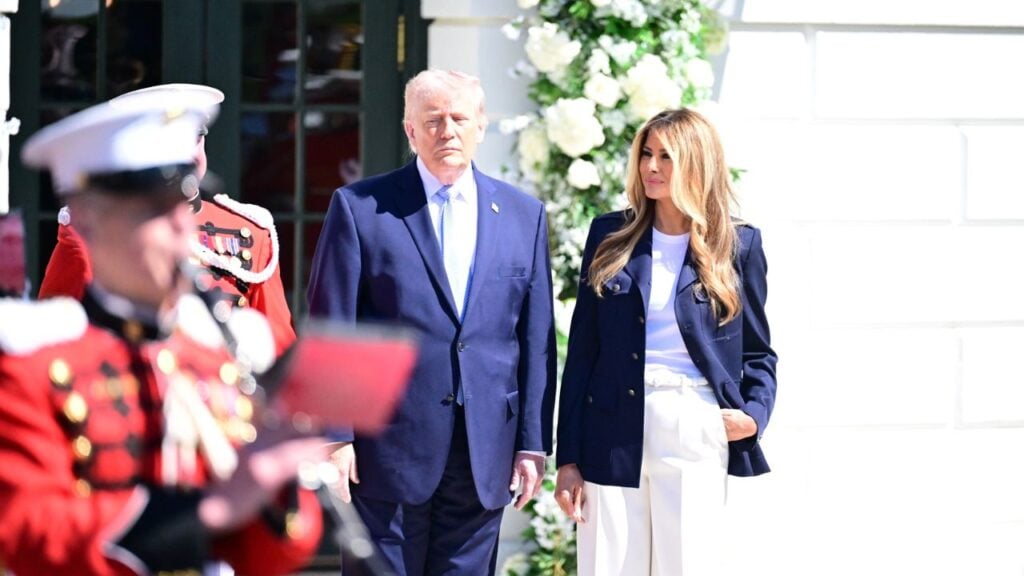
Living at 1600 Pennsylvania Avenue has obvious perks.
But the president of the United States still receives a monthly bill from the White House usher’s office, and what’s on that bill catches many Americans off guard.
10 Things U.S. Presidents Have to Pay for on Their Own That Americans Are Clueless About
