

11 White House Rules About Money That Surprise Floridians

For any Floridian who’s spent a lifetime budgeting, watching grocery receipts, and timing sales, the way money works inside the White House is surprising.
You’d assume the most powerful family in America gets everything handed to them.
The reality is more relatable.
The president earns a healthy salary, sure. But the rules around what’s covered, what comes out of pocket, and what they get for life after leaving office raise the eyebrows of just about any American.
Here are some of the White House money rules that catch U.S. citizens off guard.
The President Pays for Their Own Groceries
Yes, really. The president pays for every bit of the first family’s personal food, right out of their salary.
The White House comes with a team of talented chefs, but the ingredients aren’t free.
At the end of each month, the usher’s office sends an itemized bill covering all the private meals, snacks, and groceries the first family ate.
Michelle Obama spilled the secret on Jimmy Kimmel’s show, saying it was a little shocking because no one tells you.
She recalled how an exotic fruit request could mean opening the bill to find what she called a “$500 peach.”
Anyone who watches the total tick up at the grocery register will feel a flash of kinship.
Even the president gets that monthly food bill, and somebody’s still keeping an eye on the cost.
The Salary Is $400,000, but It’s Not All Spending Money
People hear the presidential salary and assume it’s pure luxury.
The number is real, but the rules around it surprise folks.
The president earns $400,000 a year, a figure that hasn’t budged in over two decades.
On top of that comes a $50,000 expense account, a $100,000 travel account, and a relatively modest sum for official entertaining.
The catch is that those accounts are for the job, not for personal splurging. Personal expenses still come out of the salary itself.
For a family living on an ordinary paycheck, $400,000 sounds like a fortune.
But once you learn how much the first family covers themselves, it starts to feel more like a regular salary with a very demanding job attached.
Toothpaste and Toilet Paper Come Out of Pocket
Here’s one that makes thrifty shoppers chuckle. The first family buys their own household basics, the same drugstore items filling carts across the country.
Toothpaste, toilet paper, shampoo, garbage bags, and all the everyday incidentals are the family’s personal responsibility.
The staff handles the shopping. But the cost lands on that monthly bill alongside the groceries.
It’s a humbling detail.
The most powerful person on earth gets charged for the same toilet paper everyone else buys in bulk at Costco.
For anyone who knows the small satisfaction of a good deal on paper towels, there’s something almost sweet about the president paying for his own.
The First Lady Buys Her Own Wardrobe
People who’ve admired a first lady’s elegant outfits are often surprised to learn the family pays for every piece.
There’s no clothing allowance for the role. When the first lady steps out in a designer dress for a public event, that outfit came out of the family’s own pocket.
Laura Bush was reportedly taken aback by how much she had to spend to dress the part.
Even when designers donate clothing, the first lady can’t keep it.
Those pieces go into the national archives instead.
It’s an expensive expectation with no paycheck attached, the kind of hidden cost anyone who’s shopped for a big-event outfit can appreciate.
Redecorating Has a Hard Limit
Anyone who’s redone a kitchen knows how fast costs spiral. The White House comes with a decorating budget, and the family pays for anything beyond it.
The government provides $100,000 to spruce up the residence when a new family moves in.
New paint, drapes, furniture, all fine, until the bill passes that cap. After that, it’s personal money.
And that limit gets blown through regularly. The Obamas’ remodel reportedly ran around $1.5 million, and the Trumps’ about $1.75 million, the vast majority paid out of pocket.
The historic White House look is free.
Making it feel like home gets expensive fast, a lesson familiar to anyone who’s tackled a home renovation.
Private Parties Are on the President’s Dime
When the first family throws a personal party at the White House, they pay for it themselves.
Birthday parties, anniversaries, and private gatherings all come with personal costs.
The president covers the food, the drinks, and the wages for the extra staff working the event, since taxpayers only fund official functions.
Hold a private event somewhere other than the White House or Camp David, and that’s an out-of-pocket expense too.
So the next time someone frets over the catering bill for a milestone birthday, they can take comfort knowing the president faces the very same kind of tab.
Gifts Over a Small Amount Must Be Reported
The president has to publicly report gifts over a modest threshold every single year.
In an annual financial disclosure, the president must list gifts from any single source totaling more than $480, along with income, major assets, and debts.
Even a mortgage on a personal home has to be disclosed, which most federal employees never face.
The transparency rules are far stricter than anything a regular citizen deals with.
For someone who simply enjoys swapping holiday presents with the grandkids, the idea of itemizing every significant gift for public record is a real eyebrow-raiser.
Foreign Gifts Can’t Just Be Kept
When a foreign leader hands the president a lavish gift, the president usually can’t keep it.
Gifts from foreign governments over a certain value become property of the United States, headed for the national archives rather than the family’s mantel.
To keep a valuable foreign gift, a president would have to buy it at fair market value.
It’s a safeguard against foreign influence, and it means many a jeweled trinket from abroad ends up in a government collection.
Anyone who’s brought home a souvenir from a vacation abroad might find it odd that the president can’t simply pocket a gift from a king.
The Paycheck Continues for Life
The president collects a pension for the rest of their life, no matter how long the job lasted.
A former president receives a taxable annual pension equal to the salary of a Cabinet secretary, which currently runs around $253,100 a year.
It kicks in the moment they leave office and continues for life.
That’s a retirement benefit most Americans can only dream of, arriving regardless of how the term went.
For folks who spent decades building up a modest nest egg, a full lifetime pension for four years of work is the kind of deal that makes for great conversation around the dinner table.
Ex-Presidents Get an Expense Account
The perks don’t stop at the pension, which surprises people expecting a clean break at the end of the job. Former presidents keep getting money for staff and office costs.
After leaving office, a former president can expense funds for office staff, starting around $150,000 a year and dropping to $96,000 after the first 30 months.
The government also covers their office space, which they can set up anywhere in the country.
It’s a soft landing few jobs offer, letting a former president keep an operation running on the public dime.
For someone who got a handshake and a cake on their last day of work, the idea of a funded office for life is a striking contrast.
Health Coverage Works Like Any Federal Worker’s
The detail that grounds it all is how ordinary the president’s health benefits actually are.
The leader of the free world isn’t on some gold-plated secret plan.
Like any federal employee, a president can keep their health benefits into retirement as long as they’ve been with the government for at least five years, which for most two-term presidents fits the bill.
They pay premiums and choose plans through the same system covering millions of regular workers.
There’s no special presidential health plan and no free lifetime care.
For anyone navigating their own health insurance, premiums, and plan choices, it’s oddly reassuring.
On healthcare, at least, the president deals with the same kind of system as everyone else.
13 Government Benefits You May Qualify for Without Knowing

Federal and state benefit programs are notoriously bad at promoting what they offer.
These are the government benefits that many Americans qualify for without even realizing it.
13 Government Benefits You May Qualify for Without Knowing
13 Things That Happen Inside Air Force One That Nobody Sees
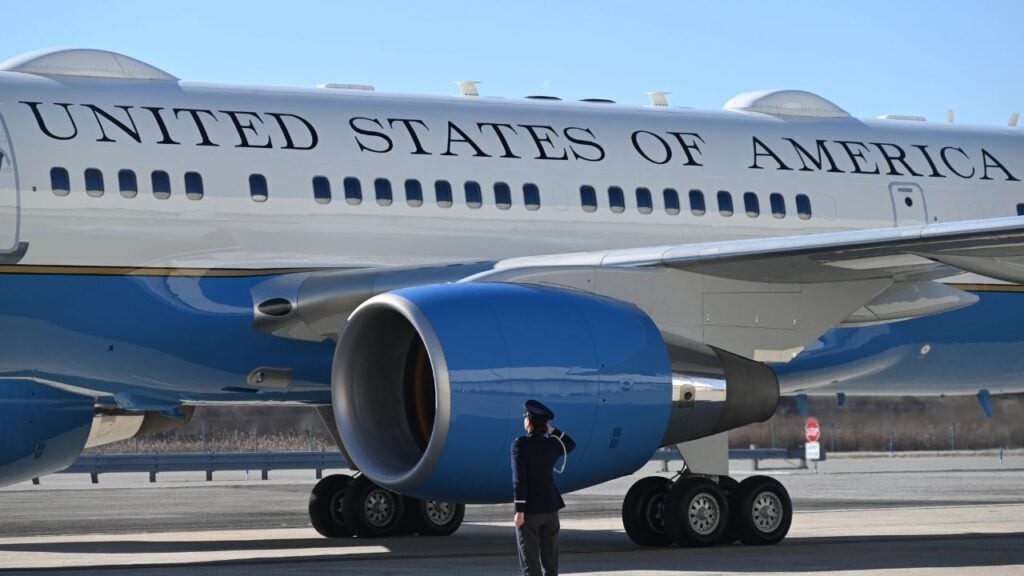
Hollywood has done a number on the public’s idea of what Air Force One is like.
Here’s what really happens on board.
