
15 Old Florida Beach Rules Boomers Followed That Nobody Mentions Anymore

There was a time, somewhere between the Coppertone Girl going up in Miami Beach and the first SPF label hitting a bottle, when a Florida beach day ran on a completely different rulebook.
The crowd was sun-baked, the radios were loud, and the unwritten laws of the sand were passed down from one summer to the next without anyone needing to explain them.
Boomers lived it.
They knew exactly when to flip, what to slather on, where to park the car, and how to behave in a beachside diner without a single sign telling them.
Today, half of those rules would draw blank stares from anyone under 50.
Here are the old Florida beach rules boomers followed that nobody talks about anymore.
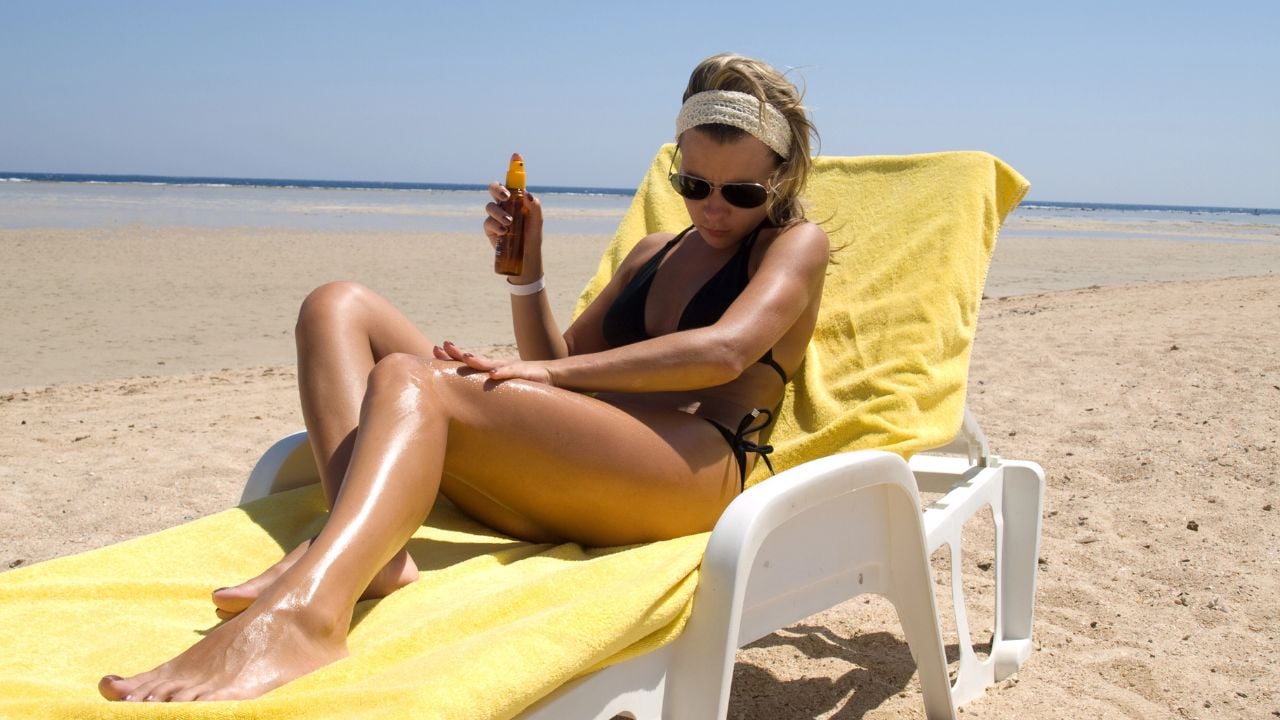
Slather on the Baby Oil, Not the Sunscreen
The first rule of an old Florida beach day was simple.
The goal was to tan, not to block the sun.
Boomers reached for baby oil, Coppertone tanning oil, or a homemade mix involving iodine and whatever was in the kitchen.
SPF wasn’t even a label on a bottle until 1972. And even then, the early sunscreens were treated as something for kids and the very fair-skinned.
The deeper the tan, the better.
A bronze glow was the entire point of the trip.
The peeling came later, and you just dealt with it.
Flip Every 20 Minutes Like a Rotisserie
If tanning was the mission, the rotation was the strategy.
Boomers laid out on towels and flipped themselves with the regularity of a chicken on a spit, front, back, front, back, all afternoon.
The serious cases used reflective tri-fold shields under their chin to bounce extra rays onto their face.
Even tan lines were the prize.
A weekend at the beach was judged by how dark you looked Monday morning, and a clean tan line meant you’d executed the rotation correctly.
Get to the Beach by 10 a.m. Sharp
Old Florida beach families operated on a strict morning schedule.
You loaded the car the night before, packed sandwiches in waxed paper, and were on the sand by 10 a.m.
Any later and you’d miss the prime tanning hours and the good parking.
Latecomers got the spot way down the boardwalk, where you had to hike with the cooler.
The early arrivals owned the day.
By the time the noon sun was overhead, you had your spot staked out, your blanket weighted with shoes at the corners, and your snacks already laid out.
Pack the Whole Day in a Single Beach Bag
Before wagons, rolling coolers, and pop-up tents, boomers packed a Florida beach day into one large straw or canvas tote.
Inside: a transistor radio, a couple of paperbacks, the suntan oil, a bag of sandwiches, a Thermos, and enough coins for the ice cream truck.
Maybe a paddleball set if you were feeling fancy. That was the entire setup.
No tents. No charging stations. No coolers the size of a small car.
You sat on a thin striped beach towel, baked in the sun, and made it work with what you carried in.
Listen to One Radio for the Whole Stretch
There was no fighting over speakers because there weren’t any.
There was just somebody’s transistor radio, probably tuned to WAPE or WLOF or whatever AM station was strongest that day.
The whole stretch of sand listened to the same songs.
Beach Boys, Motown, Top 40, whatever was on.
If two radios played different stations, the families involved usually moved their blankets apart out of pure good manners.
That shared soundtrack tied the whole beach together for an afternoon, and nobody had headphones to wall themselves off.
Drive Right onto the Sand at Daytona
Long before parking decks and shuttle buses, you drove your car straight onto the beach.
Daytona Beach and New Smyrna Beach have a tradition of beach driving that goes back to the earliest days of the automobile, and boomers grew up parking right next to their blanket.
The car was your second base camp.
You popped the trunk, pulled out the cooler, and set up the umbrella beside the bumper.
Today’s restrictions have carved out limited driving zones for protected sea turtle nests and dune areas.
But in the 1960s and 70s, the open beach was a parking lot with a view.
Walk Anywhere Barefoot Without a Second Thought
Old Florida ran on bare feet.
You came off the sand, walked into the corner store for a popsicle, paid the man, and walked back out.
No “no shoes, no shirt, no service” signs at the little beachfront spots.
The shoes lived in the car all day.
Hot asphalt? You hopped.
Crushed shells in the parking lot? You toughened up.
Boomers spent entire summers without putting on a pair of shoes outside of church on Sunday, and nobody thought twice about it.
Eat Sandwiches Wrapped in Waxed Paper
Lunch at the beach was a sandwich packed in waxed paper, period.
Bologna, peanut butter, and tuna salad gone slightly warm. Maybe a piece of fruit, maybe a few cookies wrapped in the same waxed paper, maybe a hard-boiled egg if your mom was ambitious.
The waxed paper kept the sand off… mostly.
The cooler was a metal Coleman.
Inside: glass-bottle Cokes, maybe a Tab, ice that had half melted by lunch.
You drank the Coke, returned the bottle for the deposit, and felt like you’d done something responsible.
Reapply Suntan Oil, Not Sunscreen
Every couple of hours, the bottle came back out, and the oil went on again.
This was a reapplication ritual not for protection but for shine.
The shinier, the better.
Coppertone tanning oil was the gold standard, but baby oil mixed with iodine was the homemade version that supposedly kicked the tan into high gear.
The smell was unforgettable.
That mix of coconut, salt water, and warm skin defined a Florida summer, and any boomer can still conjure it from memory the moment they pop a tube of modern sunscreen.
Treat Sunburn With the Wrong Things
When the inevitable lobster-red sunburn hit that night, the home remedies came out, and most of them were wildly off-base by modern standards.
Vinegar. Cool tea bags. Solarcaine spray that came in a green aerosol can. Sometimes a smear of butter, which we now know is exactly the opposite of what you should do.
Aloe vera straight from the plant on the porch was the closest thing to actual science.
You winced through it.
By Wednesday, the peeling started, and by Friday, you were brown and ready to head back out and do the whole thing again.
Stake Your Spot With a Striped Beach Umbrella
The classic Florida beach umbrella was big, heavy, and impossible to keep upright in a Gulf breeze.
Striped canvas, wooden pole, the kind that took two adults and three tries to drive into the sand at the right angle.
Once it was up, that was your zone for the day, and the umbrella did double duty as a landmark when you came back from the water.
The first sudden gust could send it tumbling down the beach.
Half the family would chase it while the other half laughed.
That umbrella-rescue scramble was a beach-day tradition all its own.
Stop at the Roadside Stand for Boiled Peanuts
The drive home from the beach wasn’t complete without a stop at a hand-painted roadside stand.
Boiled peanuts in a paper bag, oranges by the sack, maybe shark teeth and seashells in little plastic baggies. Tomatoes from somebody’s garden.
Cash only, no signs other than the one nailed to a board.
Peanuts were the souvenir.
You ate the peanuts on the ride home, salty and warm, fingers turning red from the shells, the radio still playing the same station you’d had on at the beach.
Wear the Same Swimsuit All Day
There was no changing into a “second look” for lunch or “going-home clothes” for the drive back.
You wore the same swimsuit from morning till you crossed the front door at night. It got wet, dried in the sun, got wet again, dried again.
The salt stiffened the fabric by the time you peeled it off.
Hosing off in the driveway was a ritual.
You stood there in the suit, getting blasted by the hose, scrubbing off the sand before anyone was allowed inside the house.
That was the closest thing to a shower most families bothered with.
Spend a Whole Day Without Looking at a Watch
There was no phone to check, no app to ping, no notifications to interrupt anything.
You arrived in the morning, you left when the sun got low or somebody got cranky. Time was measured in how many flips, how many sandwiches, how many trips to the water.
The grown-ups had watches. But they checked them maybe twice all day.
The day ended when the day ended.
That’s a kind of peace boomers remember and still talk about, the simple feeling of an entire Florida afternoon stretching out with nothing demanding your attention.
Wave to Strangers Going Home Sunburned
Heading off the beach in the late afternoon, every car looked the same.
Tanned arms hanging out the window, towels piled on the back seat, kids damp and exhausted, the radio still playing low.
You waved to other families pulling out of their spots. Nobody knew anyone, and nobody had to.
That little nod, that wave from one sun-cooked family to another, was its own quiet rule.
You’d shared a day at the same patch of sand, listened to the same waves, gotten cooked by the same sun.
That earned a wave, and boomers gave it without thinking, all summer long, every summer they had.
6 Publix BOGO Mistakes Seniors Make That Cost Them Every Week

You don’t survive decades of Florida living without learning a thing or two about stretching a dollar.
But Publix has gotten sneakier with its BOGO program over the years. Don’t fall into these common traps.
6 Publix BOGO Mistakes Seniors Make That Cost Them Every Single Week
8 Wild Things You Can Find Washed Ashore on Florida Beaches

Heading to Florida for your next beach vacation?
From bizarre marine creatures to mysterious treasures, Florida’s shoreline keeps beachgoers on their (barefoot) toes with surprises.
