
Where Retirees Are Moving Instead of Florida in 2026 (the ‘Halfback’ States)

More retirees are leaving Florida than at any point in decades, and a lot of them aren’t going all the way back north.
They’re stopping halfway, in what movers and real estate agents call the halfback states.
Think the Carolinas, Tennessee, Georgia, and Virginia.
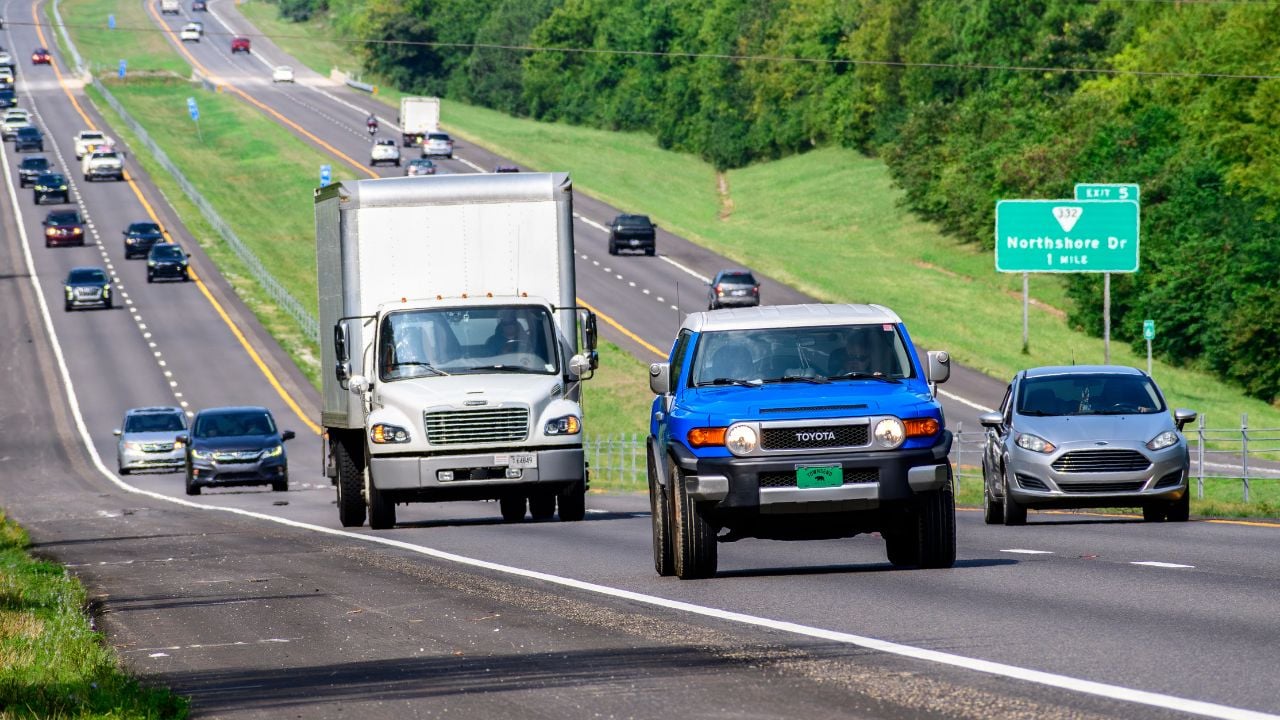
They’re close enough to keep the mild winters but far enough to dodge Florida’s insurance bills and bumper-to-bumper I-95.
In 2025, Florida’s net gain of retirees fell to just 815 people, while South Carolina pulled ahead as the country’s top draw for the 65-and-older crowd.
Here’s where Florida retirees are landing instead, why they’re going, and what to weigh before you join them.
Note: This article is for general information only and isn’t financial, legal, tax, or medical advice. Confirm details with a qualified professional or the official source.
What Are Halfback States?
A halfback is someone who left the North for Florida, decided it wasn’t the fit they had pictured, then moved half of the way back.
The label covers the warm-but-cheaper band just above Florida: upstate South Carolina, western North Carolina, eastern Tennessee, north Georgia, and Virginia.
You get four soft seasons and a Southern pace without Gulf Coast price tags.
For a lot of people who chased the sun in their sixties, that trade looks smarter in their seventies.
Why Are Retirees Leaving Florida?
Florida’s no-income-tax pitch still holds.
The trouble is that almost everything else got expensive.
Homeowners insurance has climbed so fast that some retirees now pay more to insure their house than to cool it all summer.
Add condo assessments, rising HOA dues, and car insurance near the top of the national charts, and the math that made sense in 2015 stops working now.
A 2025 Florida Atlantic University survey found most Floridians were worried about housing costs, and nearly half had thought about leaving the state over affordability.
Then there’s the part no brochure mentions.
The August heat that doesn’t break, the hurricane watch that eats every September, the winter crowds that turn a 20-minute errand into an hour.
Where Are Retirees Going Instead of Florida?
South Carolina is the runaway winner.
It drew more than 5,400 retirees aged 65 and up in 2025, edging out Texas and slipping past Florida itself.
Moving vans tell the same story, with South Carolina sitting among the top inbound states in the United Van Lines movers study, where roughly a third of arrivals were over 65.
Greenville and the coast around Myrtle Beach pull the biggest share, blending lower property taxes with beaches that don’t require a Florida mortgage.
Tennessee is the other heavyweight.
It charges no income tax, same as Florida, and it recently passed the Sunshine State for third on the list of most popular states to move to.
The draw is Knoxville’s mountains, Nashville’s energy, and grocery runs that don’t sting as much.
North Carolina splits the difference between peaks and shoreline. Asheville and the Blue Ridge pull the hikers, Wilmington and the Outer Banks pull the beach people, and the Research Triangle keeps top hospitals close.
North Georgia and Virginia round out the top picks.
Picture the Blue Ridge foothills above Atlanta and Virginia’s slower river towns, both close enough for your grandkids in the Northeast to visit without booking a flight.
The numbers behind this shift surprise people who assume Florida still wins by a mile.
So, test yourself with our snowbird quiz before you read on.
Quiz
Halfback Move IQ
A quick quiz on retiring, relocating, and the taxes in between. We bet you can’t ace it. Prove us wrong?
If a couple of those caught you off guard, you're in good company.
The halfback map has shifted faster than the headlines, and the costs underneath it are the reason why.
Is It Cheaper to Leave Florida?
It can be, but the answer depends on your mix of income, housing, and insurance.
Florida wins on income tax, since it charges none.
Most halfback states do tax income, though South Carolina, North Carolina, and Georgia carve out generous exemptions for Social Security and a chunk of pension and retirement-account money.
Where the halfback states pull ahead is with housing.
Property taxes tend to run lower, and inland insurance costs a fraction of a Florida coastal policy.
For a retiree whose budget is eaten by an insurance premium rather than a tax bill, moving north of the Florida border can free up money each month.
But the insurance gap is where a move out of Florida often pays off fastest.
A coastal Florida policy can cost several times what the same size house pays inland in upstate South Carolina or the Tennessee hills, where hurricanes aren't pricing every premium.
Housing itself often costs less per square foot once you leave Florida's hottest metros.
So, the downsizing that many retirees plan stretches further.
The catch is income tax.
If most of your money comes from a pension or steady withdrawals, a no-tax state like Tennessee can beat a state like North Carolina with cheaper houses but a tax bill.
That's why the smart move is to price out your own situation, not the average retiree's.
What to Weigh Before You Make the Halfback Move
Run your own numbers before you call the movers.
Check how your new state treats Social Security, pensions, and 401(k) withdrawals, because the rules swing a lot from one border to the next.
Map the hospitals too.
The Research Triangle and Greenville have strong medical care. But a remote mountain town might put a good cardiologist an hour away.
Factor in family, since being closer to grandkids drives more of these moves than weather does.
And pack a real coat.
The mountains of North Carolina and Tennessee get frost, snow, and the kind of January your Florida wardrobe forgot about.
Quiz
Smart Retiree Quiz
Eight questions on retirement money and timing. Think you can get every one? We doubt it.
Frequently Asked Questions
What are halfback states?
Halfback states are the warmer, cheaper states just north of Florida, mainly South Carolina, North Carolina, Tennessee, north Georgia, and Virginia, where retirees move after deciding Florida wasn't the fit they wanted.
Why are retirees leaving Florida?
Rising homeowners insurance, HOA and condo costs, heat, hurricanes, and crowding are pushing retirees out, even though Florida still charges no state income tax.
Which state are retirees moving to instead of Florida?
South Carolina led in 2025 with more than 5,400 movers aged 65 and up, followed closely by Texas, with Tennessee and North Carolina also drawing big numbers.
Is it cheaper to retire outside Florida?
Often yes, thanks to lower property taxes and far cheaper inland insurance, though Florida still wins on income tax. The right answer depends on your housing and income mix.
Do halfback states tax retirement income?
Tennessee has no state income tax. South Carolina, North Carolina, and Georgia do, but they exempt Social Security and a large share of pension and retirement-account income.
The halfback move isn't for everyone, and Florida still wins on income taxes and easy beach access.
But if your insurance bill keeps climbing and the summers feel longer every year, the Carolinas and Tennessee are worth a long weekend and a hard look at the numbers.
8 Hidden Costs Pushing Florida Retirees Out

For decades, the deal was simple. No income tax and cheap living, in exchange for humidity and hot summers.
That trade doesn't pencil out like it used to.
Home insurance alone can run five figures now, before you add condo assessments and climbing HOA dues.
8 Hidden Costs Pushing Florida Retirees to Cheaper States
7 Reasons Florida Retirees Are Heading North

Not long ago, the transplant arrow pointed one way. Retirees aimed their cars at Florida and never looked back.
That arrow is starting to flip.
