

13 Mortgage Mistakes First-Time Virginia Buyers Regret Later

Nobody forgets signing for their first house.
Virginia buyers just tend to remember the wrong parts: the pen, the keys, the celebration dinner.
The expensive parts hide in the paperwork that many people don’t read twice.
These are the mortgage mistakes first-time Virginia buyers regret later.
Note: This is general information, not financial advice. Confirm loan and program details with a professional before acting.
1. Skipping Virginia Housing’s Free Grant
Virginia Housing hands qualified first-time buyers a grant worth up to 2.5% of the purchase price toward the down payment.
You never pay it back.
On a $400,000 house, that’s $10,000 of someone else’s money.
Income limits apply, the grant must ride on a Virginia Housing loan, and you chip in at least 1% yourself.
Plenty of eligible Virginians never even ask.
2. Missing the Plus Second Mortgage
Virginia Housing also offers the Plus Second Mortgage, which pairs a small second loan with your first mortgage to wipe out the down payment.
Buyers with credit scores of 680 or higher can fold part of their closing costs into it too.
It’s a loan, not a gift, so you repay it over time.
But for a buyer with a steady income and thin savings, the Plus Second Mortgage beats waiting five more years to save a down payment while Virginia home prices keep rising.
3. Assuming You Need 20% Down
Virginia’s statewide median sales price hit $425,000 this spring, per Virginia Realtors.
Twenty percent of that is $85,000.
No wonder so many renters in Richmond and Virginia Beach assume they’ll never own.
Conventional programs start at 3% down, and government-backed loans run lower still.
Waiting a decade to hit an imaginary number costs more than mortgage insurance ever will for many buyers.
4. Underestimating Virginia’s Closing Costs
Virginia charges a state recordation tax of 25 cents per $100 of the price when your purchase gets recorded, and most cities and counties stack a local share on top.
Buyers in Northern Virginia pay extra regional fees on top of that.
Add lender fees, title work, appraisal, and prepaid escrows, and closing costs on a Virginia purchase commonly land in the thousands.
First-time buyers who budget only for the down payment come up short at the settlement table.
5. Skimming Your HOA Resale Packet
Buy into a Virginia homeowners association, and state law hands you a resale packet: budgets, rules, fees, and any brewing special assessments.
You get three days after receiving it to cancel the contract, no penalty, no explanation needed.
That’s your one free exit.
Buyers who let those three days pass without reading a page discover the paint-color rules and the $400 monthly dues after they own the place.
6. Waiving Well and Septic Checks
Outside Virginia’s cities and suburbs, plenty of homes run on a private well and a septic system.
Both need permits from the Virginia Department of Health (VDH), and government-backed loans usually require water testing before closing.
A failed septic field can cost tens of thousands to replace.
Buyers from Fairfax who fall for a farmhouse in Louisa County sometimes waive those inspections to win the bid.
They regret it the first time the yard smells wrong.
7. Assuming the Seller’s Taxes Are Settled
Virginia localities bill property taxes on their own calendars, and the bills arrive after the time they cover.
At closing, the settlement agent prorates the year between you and the seller down to the day.
Miss that line on the settlement statement, and the credit you were owed walks out the door with the seller.
Ask your agent to walk you through the proration before signing day, not during it.
8. Skipping the Homebuyer Course
Virginia Housing requires a homebuyer education course before it hands over grants or loans.
The course is free and available online.
Some buyers hear “required course” and walk away from thousands of dollars in assistance.
A few hours on a couch in Chesterfield is a strange thing to trade $10,000 for.
9. Using Only One Lender’s Quote
The average 30-year fixed rate sat at 6.43% in early July, per Freddie Mac.
Your quote might land higher or lower, and the spread between lenders on the same day can top a quarter point.
On a $340,000 loan, a quarter point is tens of dollars a month, every month, for decades.
Collect at least three Loan Estimates.
Lenders compete when you make them.
10. Buying at the Top of Your Preapproval
A preapproval letter tells you what a lender will allow, not what your life can carry.
Virginia buyers who max it out forget the rest of the bill: property taxes that rise with assessments, homeowners insurance, HOA dues, and the personal property tax on the cars in the driveway.
The house payment fits on paper.
Then winter arrives, the heat pump dies, and the budget doesn’t bend.
11. Opening New Credit Before Closing
Lenders check your credit again right before closing.
A new furniture card for the empty living room, a financed truck for the new driveway, and the loan terms can change or collapse days before settlement.
Buy the couch after you own the house.
The living room can sit empty for a month.
12. Emptying Your Savings at Closing
Scraping together every dollar for the down payment feels responsible.
It isn’t.
Your first year of ownership brings a water heater, a roof leak, or a surprise assessment, and it doesn’t schedule an appointment first.
Between the grant, the second mortgage, and low-down-payment programs, Virginia gives first-time buyers ways to keep a cushion.
Use them, and keep a few months of expenses where you can reach them.
Psst! Before you sign anything, take our quiz on mortgage trivia. A few of these trip up even repeat buyers.
Quiz
Mortgage IQ Quiz
Nine questions on home loans and the fine print. We bet the first one stumps you. Prove us wrong?
13. Passing on the Owner's Title Policy
The title policy your lender makes you buy protects the lender, not you.
An owner's policy is the optional add-on that covers your stake against old liens, forged deeds, and boundary surprises.
In a state with 400 years of property records, old surprises happen.
The one-time premium at closing covers you for as long as you own the home.
Skip it, and a title problem from 1987 becomes your problem in 2036.
7 Retirement Mistakes Virginia Newcomers Make

What could go wrong in a state that never taxes Social Security?
Plenty, and Virginia doesn't wait long to show you.
7 Retirement Mistakes Virginia Newcomers Make That Lead to Regret
8 Things Virginians Are Tired of Explaining to Outsiders
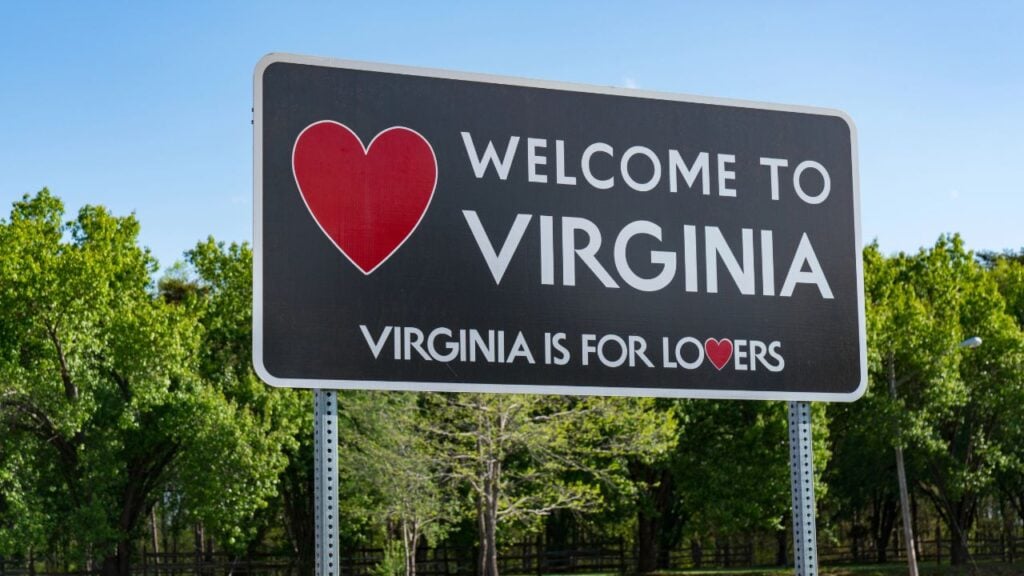
Tell someone you're from Virginia, and there's a fair chance the reply involves coal mines or John Denver.
That's West Virginia, and Virginians are tired of explaining it.
