
12 Hurricane Prep Tips Longtime Floridians Swear By That Newcomers Always Skip

Anyone can buy a flashlight and a case of water.
That’s not what separates a seasoned Floridian from someone who moved down last spring.
The difference shows up in the small habits, the moves that only make sense after a few August nights with no power and no air conditioning.
These are the hurricane-prep habits Floridians swear by that transplants often overlook.
1. Fill Every Bathtub
Longtime Floridians fill the bathtub the night a storm looks likely, and not for a bubble bath.
That tub holds water for flushing the toilet after the pumps quit.
A stopped-up drain loses water slowly, so seasoned residents line the tub with a WaterBOB first.
This liner is food-grade plastic, and it holds up to 100 gallons of clean drinking water.
You fill it from the faucet, seal it, and pump out a gallon at a time.
Newcomers skip the whole step, then learn that a dark house with no running water gets old by hour two.
2. Gas Up Days Early
Floridians who’ve ridden out a few storms fill the car while the storm is still far out in the Atlantic.
Gas stations run on electricity, and no power means no pumps.
State law requires many stations along evacuation routes to be wired for a generator, but a hookup still needs a working generator and fuel to run it.
Anyone who sat in the fuel lines before Irma in 2017 learned that lesson once.
Keep your tank above half through the whole season, not just the week a storm shows up.
The busiest stretch of the season is still weeks off, which is exactly why the veterans top off now.
3. Pull Out Cash Now
Florida residents who’ve weathered a direct hit keep cash at home before the wind even picks up.
Card readers need power and internet, and a flooded county has neither.
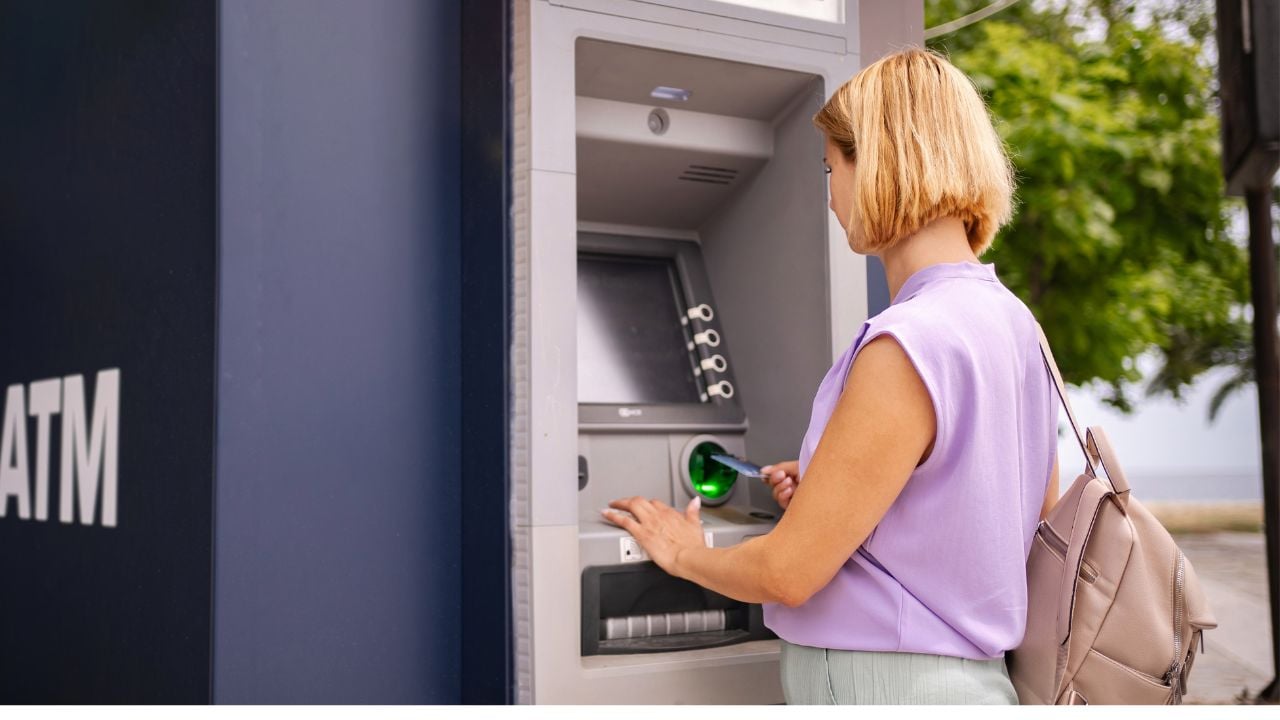
ATMs go dark along with the stoplights.
Small bills matter here, because the produce stand selling ice off a truck can’t break a hundred.
Newcomers assume a tap of the phone still works after the grid goes down.
It doesn’t.
4. Freeze Water by the Gallon
People who grew up in Florida start filling old jugs and freezing them days before landfall.
Pack that freezer full, because a loaded freezer holds its cold far longer than an empty one.
A full freezer keeps food safe for about 48 hours without power, while a half-full one gives you closer to 24.
Those frozen jugs pull double duty, cooling a cooler by day and turning into drinking water as they melt.
Here’s the trick the veterans swear by: Freeze a cup of water solid, set a coin on top, and leave it in the freezer when you evacuate.
If you come home and that coin sank to the bottom, your food thawed and refroze while you were gone, so you toss it.
5. Give the Generator Room
Gulf Coast Floridians who own a generator run it far from the house, because the exhaust can kill.
Portable generators are a leading cause of carbon monoxide deaths after a storm.
Run it outdoors only, at least 20 feet from the house, with the exhaust pointed away from windows and doors.
Never set one in the garage or on a porch, not even with the door propped open.
Carbon monoxide has no color and no smell, and it can be deadly before anyone in the house wakes up.
Newcomers who bought a generator the day before the storm rarely read that part.
6. Top Off the Propane
Florida grill owners fill their propane tanks early, and it isn’t for the tailgate.
When the power’s out for days, a gas grill or a camp stove is how dinner happens.
A full 20-pound propane tank runs a two-burner grill for a good while, so many Floridians keep a spare in the shed.
Cook outside only, never in the garage, for the same reason the generator stays out there.
Charcoal and camp stoves give off carbon monoxide too.
Transplants figure the microwave will be fine, up until the lights go out.
Psst! How much do you know about Florida’s hurricanes? Take our quiz and see how many you can get right.
Quiz
Florida Storm IQ
A few questions on Florida’s wildest storms and weather. We bet you can’t get them all right. Prove us wrong?
FEMA has an unofficial way to size up how hard a storm hit a town. What does it watch?
7. Refill Prescriptions Early
Floridians who depend on daily medication refill early the moment a storm enters the forecast.
State law lets your pharmacy hand you an early refill once the governor declares a state of emergency, up to a 30-day supply.
Gov. Ron DeSantis signs that emergency declaration before a big storm rolls in, and that's what flips the rule on.
It applies even if you filled the last bottle just a week ago.
A pharmacy with no power can't fill anything, so the timing matters.
Transplants tend to wait until they're down to the last few pills, then find the store dark and the roads flooded.
8. Film the Whole House
Longtime Florida homeowners walk the house with a phone camera before every hurricane season, inside and out.
A video record proves what you owned and what shape it was in, which matters when you file an insurance claim later.
Open the closets, pan across the electronics, and read off the serial numbers on the big appliances.
Save it to the cloud, not just the phone that might end up underwater.
Newcomers snap a couple of photos after the damage is done, then argue with an adjuster over a couch nobody can prove existed.
Do it now, while the sun's out and the house is dry.
9. Measure Your Shutters Now
Florida homeowners who've boarded up before know a storm week is the worst time to start measuring windows.
Cut the plywood, label each panel by window, and pre-drill the holes in July, not the night before.
Use 5/8-inch exterior plywood, screwed into the frame rather than nailed.
Metal or accordion shutters beat plywood, though a lot of Floridians still run the wood.
Impact-rated windows cost more up front, and they save you the yearly scramble.
Newcomers show up at the hardware store on storm eve, where the plywood sold out two days back.
10. Read the Whole Cone
Floridians who've tracked a dozen storms know the forecast cone doesn't mean what newcomers think it means.
The cone shows where the center of the storm might travel, and nothing more.
It doesn't show the size of the storm or how far the wind and rain reach.
That center stays inside the cone only two-thirds of the time.
Damage spreads far outside the line, so sitting off to the side is no promise of a calm day.
Transplants see their town just outside the cone and cancel nothing, which is exactly backward.
11. Ready for the Mosquitoes
Florida's storms leave behind standing water, and standing water means mosquitoes by the millions.
The days after a hurricane bring swarms thick enough that counties send trucks to spray whole neighborhoods.
Stock bug spray with DEET now, because the stores sell out of that too.
Dump any water that collects in buckets, tarps, and flowerpots once the wind dies down.
Longtime residents pull on long sleeves for the cleanup even in the August heat.
Newcomers spend the first clear afternoon outside in shorts, then spend the next week scratching.
12. Heat Comes After
Florida's hardest stretch often comes after the storm passes, when the power's out and the air conditioning is dead.
A September afternoon with no cold air pushes the heat index past anything a thermostat would allow.
Freeze extra water, plan one cool room, and know where the nearest cooling shelter opens.
Battery fans and a stocked cooler make the difference between miserable and dangerous.
Check on older neighbors first, because the heat after a storm harms them fastest.
Keep the coolers packed and the fans charged, because in a Florida August the days after the storm can turn hotter than the storm itself.
8 Signs a Florida Storm Is About to Wreck Your Afternoon Plans
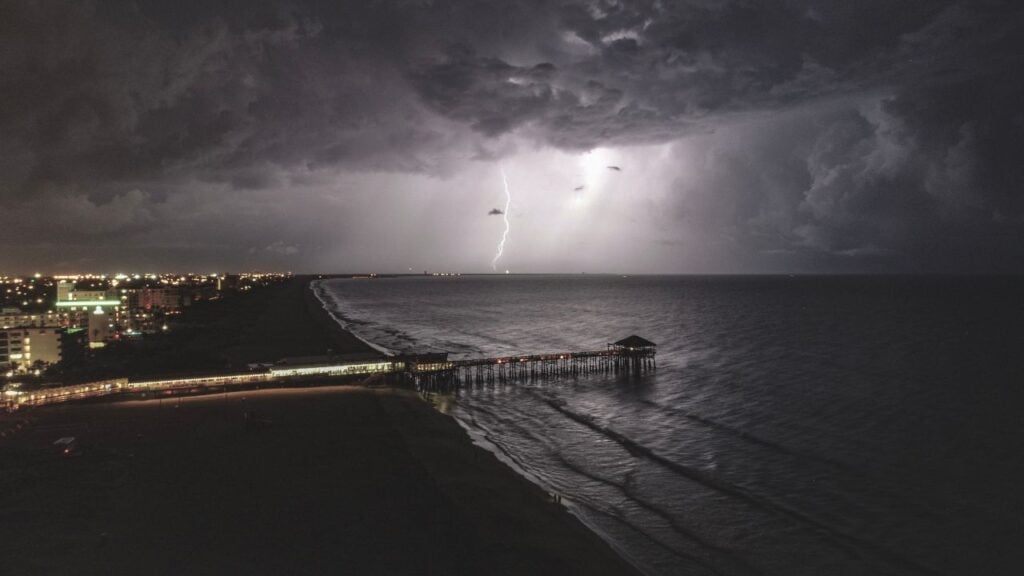
Floridians can read the sky the way other Americans read a menu.
One glance over the pool fence, and they know whether their cookout will survive the afternoon.
8 Signs a Florida Storm Is About to Wreck Your Afternoon Plans
10 Summer Myths Floridians Are Sick of Explaining
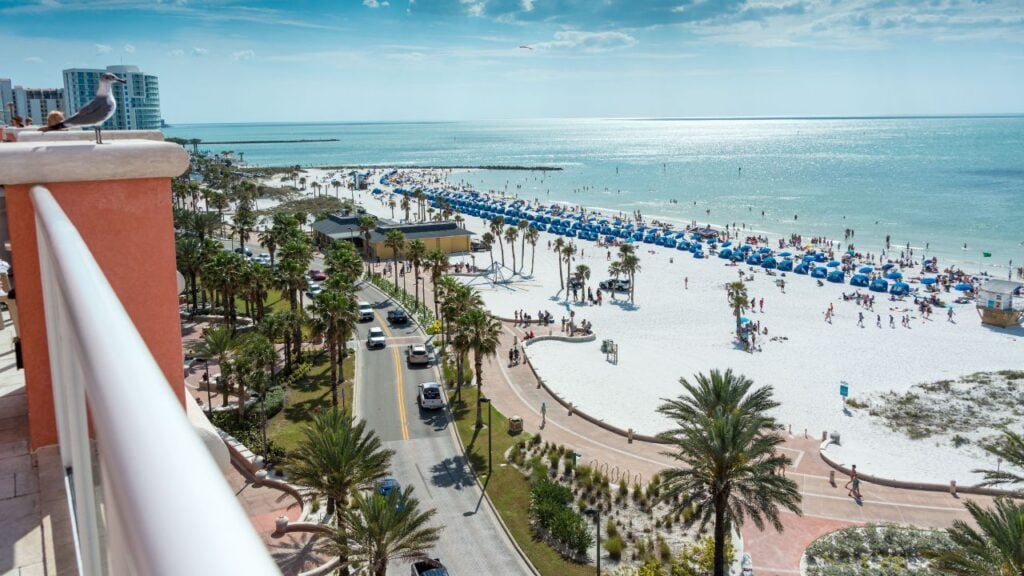
Every June, the questions from up north start again.
Are there alligators in your pool, and how do you stand the heat?
